(044) 222 33 33



Dental prosthesis at Podil


 28-30 Verkhnii Val str.
  MON - SUN: 9.00 - 21.00
 4.9
4.9  141
141 Dental prosthetics involves the use of various methods and materials to restore the function and aesthetics of teeth. An orthopedic consultation is an important stage in the prosthetic process, as it helps select the optimal prosthetic option taking into account the individual characteristics of each patient.
During the consultation, the orthopedist will examine the condition of the oral cavity and assess the quality of the tissues, teeth, and their fixation. Based on the information obtained during the examination, as well as the patient’s wishes, the orthopedist will consider the available options for dental prosthetics and recommend the most suitable one for each individual case.
Dental prosthetics is the process of restoring teeth or replacing missing teeth. In Podil, AstraDent offers various types of prostheses depending on the patient’s needs and the condition of their teeth:
- crowns — dental prostheses that cover the part of the tooth located above the gum. Crowns are used to restore damaged teeth or change their shape;
- bridges — prostheses used to replace one or several missing teeth. Bridges are attached to adjacent healthy teeth or implants;
- dentures — dental prostheses used to replace missing teeth. Dentures can be removable or permanent;
- implants — artificial teeth that are placed into the jawbone. Implants are used to replace missing teeth or to fix removable dentures.
Before choosing a method of dental prosthetics, the orthopedist conducts a detailed diagnosis of the condition of the teeth and surrounding tissues, determines the individual needs of the patient, and develops a treatment plan. You can schedule a consultation in the Podil district of the capital through the contact center or on the website.
Crown
A crown is a dental structure that is fixed on a tooth to restore its shape, function, and appearance. Crowns can be made from various materials such as metal, ceramic, or combined materials.
Crowns can be used to treat tooth damage such as caries or cracks, or to replace old and worn fillings or other types of prostheses. Crowns can also be used for cosmetic purposes, such as changing the shape or color of teeth.
The process of installing a crown includes tooth preparation, taking impressions, manufacturing the crown in a dental laboratory, and fixing the crown on the tooth. Crowns usually have a long service life if oral hygiene is maintained and the dentist is visited regularly for check-ups.
Metal-Ceramic Crown
A metal-ceramic crown is a prosthesis consisting of a metal base covered with ceramic. The metal base provides strength and stability to the crown, while the ceramic coating allows achieving a natural color and aesthetic appearance.
The advantages of metal-ceramic crowns include:
- strength and durability;
- the ability to reproduce the natural color of the tooth;
- the possibility of use for restoration of both front and back teeth;
- a variety of ceramic coating options to achieve different shades.
However, metal-ceramic crowns have certain disadvantages, such as:
- the possibility of dark rings appearing along the edge of the crown when placed on front teeth;
- higher cost compared to other types of crowns;
- the possibility of corrosion appearing under the metal base over time.
An orthopedic dentist will conduct a detailed consultation and recommend the most optimal prosthetic option depending on your case.
Ceramic Crown
A ceramic crown is a dental structure that completely or partially covers a tooth to restore its shape, function, and aesthetics. Ceramic crowns are one of the types of dental prostheses.
Ceramic crowns are made of high-quality ceramic that has natural properties of tooth enamel, such as color, translucency, and shine. This allows achieving the most natural appearance of the tooth and its integration into the dental arch.
To manufacture a ceramic crown, the doctor first takes an impression of the tooth and surrounding tissues. After that, in the dental laboratory the impression is used to create an exact copy of the tooth. The ceramic crown is then formed from this copy and fixed on the tooth using cement.
Ceramic crowns are a very popular option for dental prostheses because they provide fairly high strength and durability, as well as maximum aesthetics and a natural appearance. However, their cost can be significantly higher than other types of crowns, so the price should be discussed with the doctor before starting treatment.
Zirconia Crown
A zirconia crown is a prosthetic element made of zirconia ceramic. Compared with other types of crowns (metal-ceramic, ceramic), a zirconia crown has better aesthetics because the material it is made from is as close as possible to a natural tooth.
A zirconia crown has high strength and durability, therefore it is usually used for prosthetics of front teeth. This type of crown is also well suited for people with allergic reactions to metal, since zirconium does not contain nickel, which is a component of metal-ceramic crowns.
The production of a zirconia crown is carried out using CAD/CAM computer technology, which ensures high precision and suitability for minimally invasive prosthetic methods.
Dentures
Prosthetics is the process of restoring teeth or replacing missing teeth with artificial prostheses. Depending on the number of missing teeth and the condition of the remaining teeth, different types of dentures can be used.
Main types of dentures:
- classic removable dentures — made of acrylic resin and metal frameworks. Such dentures can be removed for cleaning;
- fixed dentures (dental bridges) — designed to restore one or several missing teeth. They are fixed on adjacent teeth or implants;
- inlays and crowns — prostheses used to restore individual teeth;
- implants — artificial tooth roots that are placed into the jawbone. They can be used for a single tooth, for installing a bridge, or for full replacement of all teeth in the jaw;
- removable dentures — dentures that can be removed from the oral cavity. They consist of a base that covers the gums and teeth attached to this base. The base can be made of acetate, nylon, or metal, and the teeth of acrylic or ceramic.
Removable dentures can be used to replace from one to all teeth in the upper or lower jaw. Their advantages include lower cost compared to fixed prostheses and the possibility of manufacturing them in a short time.
However, removable dentures may be less comfortable to wear. They can move or fall out of the mouth, which may lead to discomfort and limitations when eating and speaking. They also require additional care to maintain cleanliness and preservation.
Conditionally Removable Dentures
Conditionally removable dentures are a special type of removable dentures that can be removed from the oral cavity by the patient. They are called conditionally removable because they can be installed on preserved teeth or on implants and can also be removed from the mouth if the patient wishes.
Conditionally removable dentures are used when a patient has lost part of their teeth but still retains some of them. The prosthesis can be made of metal or acrylic with inserted teeth made of ceramic or composite material. They can also be used as temporary dentures when a patient is preparing for dental implantation.
Conditionally removable dentures are usually more comfortable to wear than conventional removable dentures because they better adapt to the shape of the teeth and provide greater stability. As a result, the patient can eat and speak without discomfort.
Fixed Dentures
Fixed dentures are prostheses that are attached to the remaining teeth or implants and cannot be removed by the patient. These prostheses are more stable and functional compared to removable dentures because they are fixed more firmly and provide better load distribution on teeth or implants.
Fixed structures include such prostheses as crowns, bridges, veneers, abutments, and implant-supported constructions. Each of these types of prosthetics has its own characteristics and can be used depending on the specific situation in the patient’s oral cavity. For example, crowns are used to restore individual teeth, bridges to restore a group of teeth, and implant-supported constructions to restore lost teeth with the help of implants.
Our branches
- Velyka Vasylkivska (ex. Lva Tolstogo)Inclusive
 +38(044)2223333
 25 Velyka Vasylkivska str.
MON - SUN: 9.00 - 21.00
-
Inclusive
-
Inclusive
-
Inclusive

-
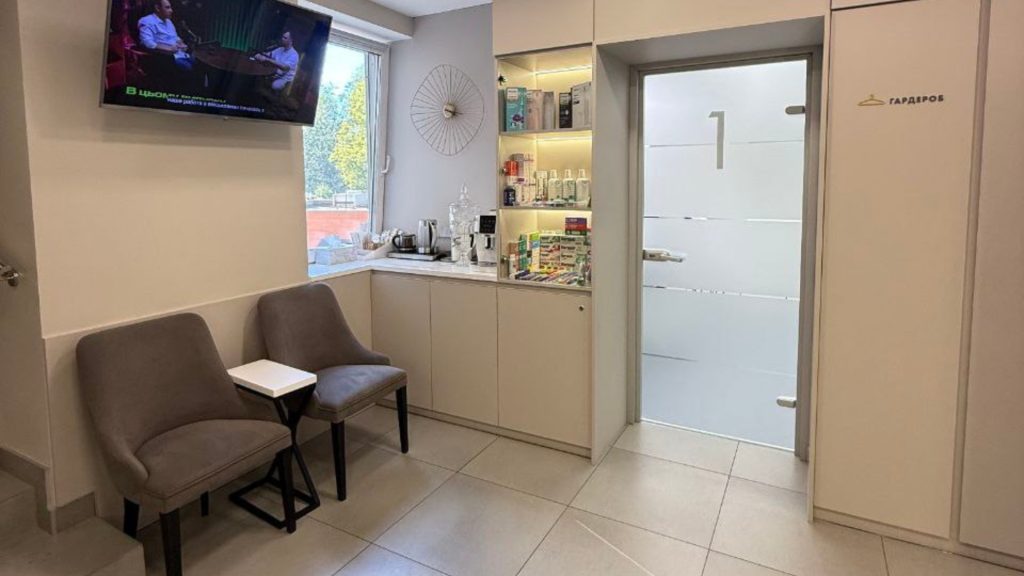
- Darnytsia Metro (DOMA Center shopping center)Inclusive
+38(044)2223333
40 Budivelnykiv Street
MON - SUN: 9.00 - 21.00

-
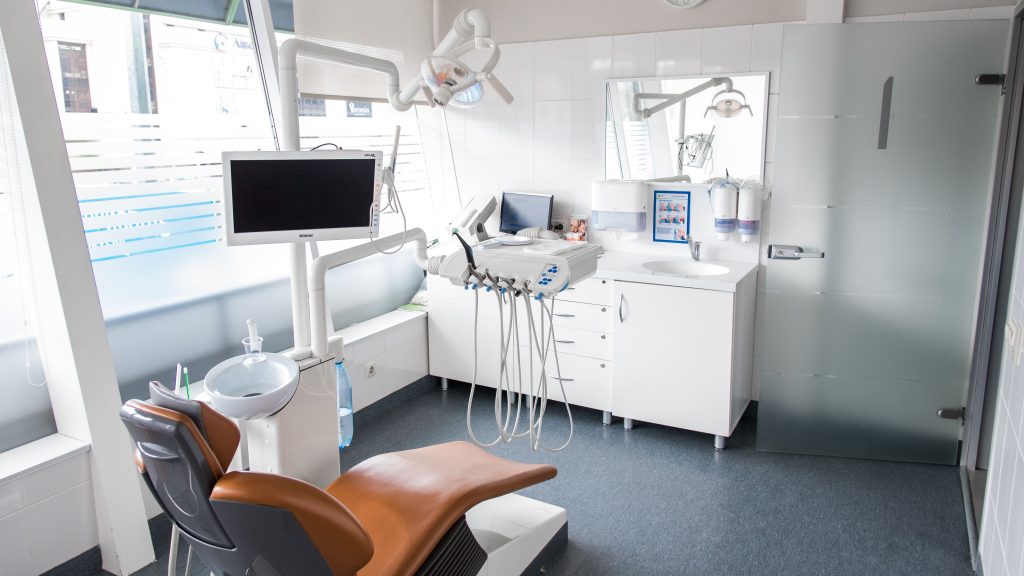
-
Inclusive
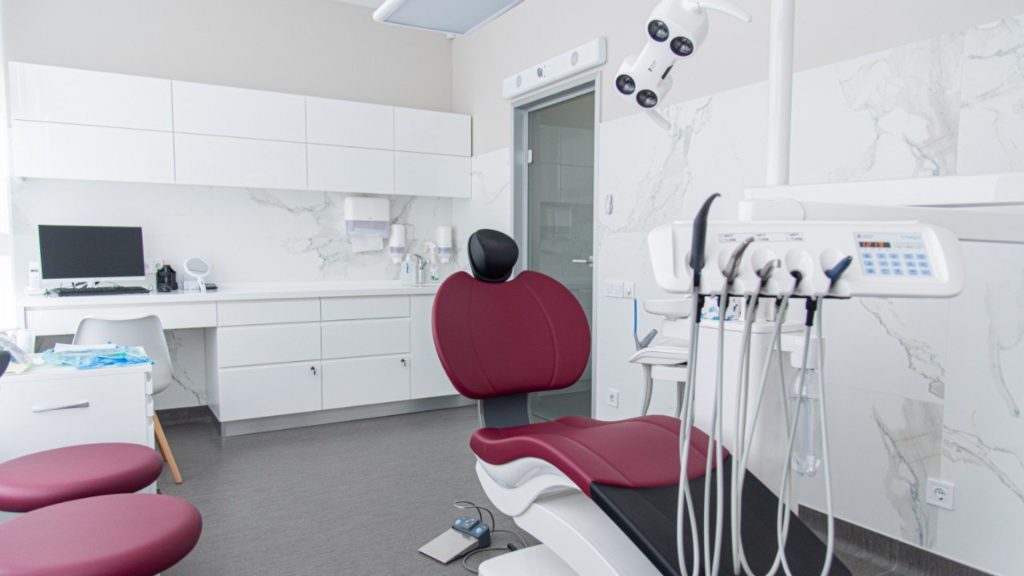
- ObolonInclusive
+380442223333
12-G, Vladimir Ivasyuk Avenue (Heroes of Stalingrad), Building 2
MON - SUN: 9.00 - 21.00
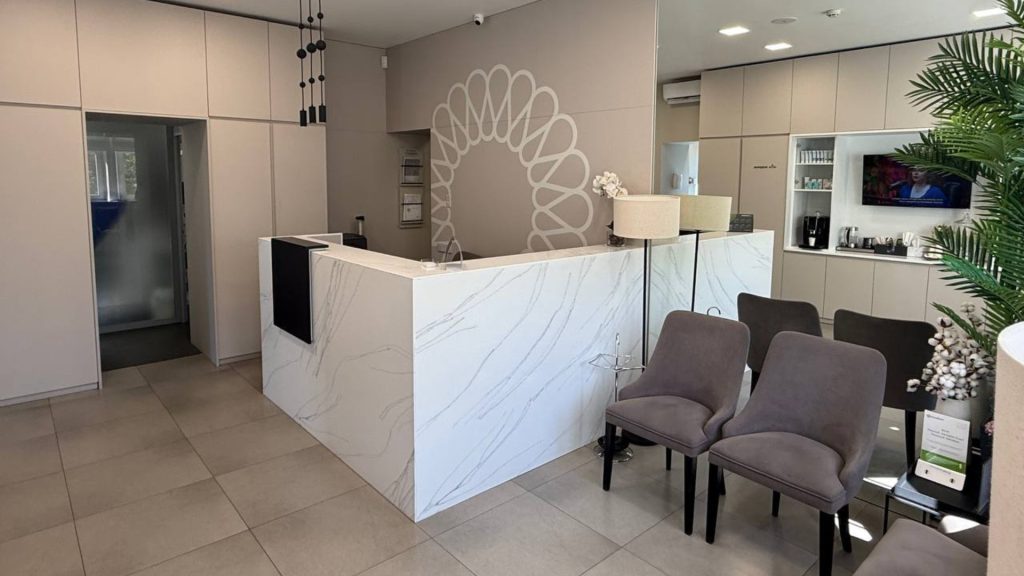
-
Inclusive

-
Inclusive
-
Inclusive
-
Inclusive

-
Inclusive
Astra Dent in Kyiv


Why 250,000+ patients choose Astra Dent
-

Everything your smile needs — in one place
From preventive care and cavity treatment to implants and aesthetic dentistry.
-

A team of 150+ experienced doctors
Continuously trained in Ukraine and internationally, working with world-class equipment.
-

Convenience for the whole family
We treat both adults and children across all districts of the capital.
Need a consultation?

Book a free consultation
Please submit your phone number, and we'll contact you to schedule a convenient time for your visit
Alex
Coordinator
 info@astradent.ua
 Get a free consultation
-
 Open daily from 9 AM to 9 PM
 -
 No days off
 -
 Always powered