(044) 222 33 33




Dental surgery at Podil


 28-30 Verkhnii Val str.
  MON - SUN: 9.00 - 21.00
 4.9
4.9  141
141 Astra Dent in the Podil district of the capital offers a wide range of surgical dentistry services, including tooth extraction. Tooth extraction may be necessary if a tooth is damaged, infected, or if there is not enough space in the jaw for proper tooth alignment.
The tooth extraction procedure is usually performed under local anesthesia, which helps reduce pain and discomfort during the operation. The surgeon uses special instruments to remove the tooth and performs the necessary procedures to stop bleeding and prevent possible complications.
After the tooth is removed, the doctor provides recommendations for oral care and further treatment. This may include taking medications and temporarily avoiding certain foods and drinks. The doctor also monitors the healing process and the restoration of the functions of the maxillofacial area.
At Astra Dent in Podil, tooth extractions are performed by experienced surgeons using modern equipment and materials, which ensures high-quality treatment and patient safety.
Extraction Process
The tooth extraction process usually begins with local anesthesia, which reduces pain and discomfort during the procedure. Once the anesthesia takes effect, the doctor makes an incision in the gum around the tooth to reach the root system.
The doctor uses special instruments such as forceps, elevators, and surgical tools to remove the tooth from its socket. If the tooth is difficult to remove, the doctor may perform additional manipulations, such as dividing the tooth into parts or making additional cuts in the bone to facilitate extraction.
After the tooth has been removed, the doctor may place sutures to promote better healing of the wound. To reduce pain and prevent infection, hemostatic materials may be applied to the wound, and the patient will receive recommendations for oral care.
It is important to follow dietary recommendations and maintain proper oral care after tooth extraction. This helps speed up healing and prevent possible complications. At Astra Dent in Podil, doctors know how to perform tooth extraction effectively and painlessly, with minimal risks and maximum comfort for patients.
Wisdom Tooth Extraction
Wisdom tooth extraction is one of the most common dental extraction procedures. Wisdom teeth usually begin to erupt between the ages of 17 and 25 and may cause problems such as pain, gum inflammation, or damage to neighboring teeth.
The extraction process typically begins with local anesthesia to reduce pain and discomfort during the procedure. Once the anesthesia takes effect, the doctor makes an incision in the gum around the wisdom tooth to reach the root system.
The doctor uses special instruments such as forceps and elevators to remove the wisdom tooth from its socket. If the tooth is difficult to remove, the doctor may perform additional manipulations, such as dividing the tooth into parts or making additional cuts in the bone.
After the wisdom tooth has been removed, the doctor may place sutures to ensure better healing of the wound. To reduce pain and prevent infection, hemostatic agents may be applied to the wound and recommendations for oral care will be provided.
After the procedure, the following symptoms may occur:
- pain;
- swelling;
- mild bleeding.
These symptoms can be managed with medication and proper oral care. It is important to follow the doctor’s instructions and maintain proper oral hygiene.
After wisdom tooth extraction, the following recommendations are usually given:
- follow the dentist’s instructions for postoperative care;
- avoid hot or cold foods during the first few hours after extraction, as this may increase bleeding and pain;
- avoid foods that require heavy chewing or contain small seeds that may get into the wound;
- do not smoke, as this may cause infection and inflammation;
- apply ice to the cheek during the first hours after extraction to reduce pain and swelling;
- take antibiotics and pain relievers prescribed by the dentist;
- maintain oral hygiene by gently brushing the teeth near the extraction site and avoiding strong pressure with the toothbrush;
- if pain, bleeding, or swelling increases, contact your doctor immediately.
Although wisdom tooth extraction may cause concern, the procedure usually proceeds smoothly if the dentist’s postoperative care instructions are followed.
Removal of Tooth Fragments
Removal of tooth fragments is a procedure during which the dentist removes parts of a tooth that remain after its destruction or previous extraction, as well as root fragments. This may be necessary if the remaining parts cause pain, discomfort, or may become a source of infection.
The procedure is performed under local anesthesia. The dentist makes a small incision in the gum near the fragments and removes them using special instruments that allow access to root canals and other difficult areas.
After the procedure, the gum is closed with sutures. It is important to follow the dentist’s postoperative care instructions to ensure fast and successful recovery.
After removal of tooth fragments, patients are usually advised to:
- avoid hard food and chewing on the side where the procedure was performed for several days;
- reduce pain with a cold compress;
- take medications prescribed by the dentist;
- maintain oral hygiene but avoid brushing too intensively in the extraction area.
Each case of fragment removal is unique, so postoperative care instructions may vary depending on the specific situation.
Oral Mucosa Surgery
Oral mucosa surgery is a procedure usually performed to treat various diseases of the oral mucosa. It may include the removal of bone growths, fibromas, cysts, cystogranulomas, and other types of neoplasms.
The procedure is usually performed under local or general anesthesia. The surgeon may make incisions in the mucosa to gain access to the affected area and remove it from the oral cavity. Small wounds may remain after the procedure, but they usually heal quickly.
Oral mucosa surgery may be performed as part of the treatment of various conditions such as cystogranuloma, cysts, fibromas, and periodontal diseases. Your dentist or surgeon will advise whether such a procedure is necessary and will prepare you for it.
Apical Surgery
Apical surgery (also known as endodontic surgery or root-end resection) is a procedure used to treat inflammatory diseases at the tip of the tooth root, where nerve endings and blood vessels are located.
Apical surgery is performed when root canal treatment has already been carried out but did not produce the expected result or when the inflammatory process has returned.
The procedure involves removing the tip of the tooth root as well as infected tissue around it.
The surgery is performed using a special microscope and instruments that allow the surgeon to precisely visualize and treat the area where the inflammation is located. Small wounds may remain after the procedure, but they usually heal quickly.
Apical surgery may be performed to treat inflammatory diseases of the tooth root system, such as periodontitis, or when it is necessary to remove cysts or granulomas. Your dentist or endodontist will advise whether this procedure is necessary and will prepare you for it.
Removal of a Dental Cyst
Removal of a dental cyst is a type of surgical treatment used to eliminate cysts that develop on the root of a tooth. This condition may occur without symptoms, but over time the cyst may grow and cause pain, inflammation, and tooth loss.
The first step is diagnosis and examination to determine the size and location of the cyst. An X-ray is usually used to obtain an image of the cyst and determine its size.
The surgeon then administers local anesthesia to ensure patient comfort during the procedure. A small incision is made in the gum above the cyst, and the tissue is lifted so the cyst and any damaged surrounding tissue can be removed.
If the tooth is still present, it may be preserved. If the tooth has already been lost, the possibility of dental implant placement may be considered.
After cyst removal, patients are usually advised to follow oral care instructions and consume soft foods during the first few days. Antibiotics and pain medications may also be prescribed to control pain and inflammation.
Some mild discomfort may occur after surgery, but it usually disappears within a few days.
Dental Abscess (Flux)
A dental abscess (also called alveolar pyostomatitis) is inflammation of the alveolar process of the jaw that may occur after tooth extraction. This can happen if food or other foreign particles remain in the extraction socket. As a result, infection may develop, leading to inflammation.
Symptoms of a dental abscess include:
- throbbing pain;
- deterioration of general well-being;
- increased body temperature;
- unpleasant odor from the mouth.
If such symptoms occur, it is important to consult a dentist as soon as possible.
Treatment usually involves removing infected materials from the extraction socket and prescribing antibiotics to fight the infection. In some cases, surgical intervention may be necessary to remove inflamed tissue or part of the jaw process.
Timely consultation with a dentist is important to prevent further complications.
Our branches
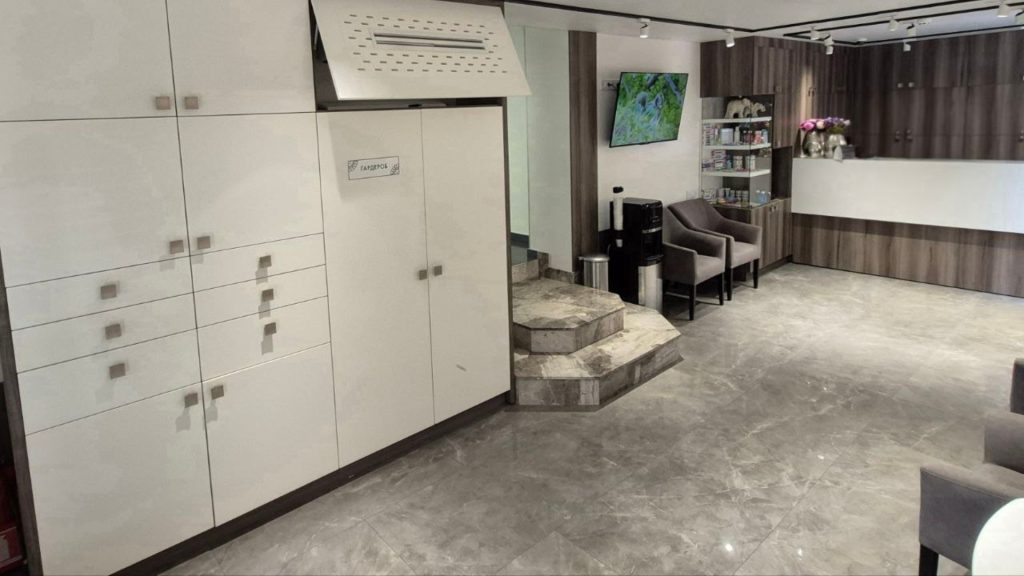
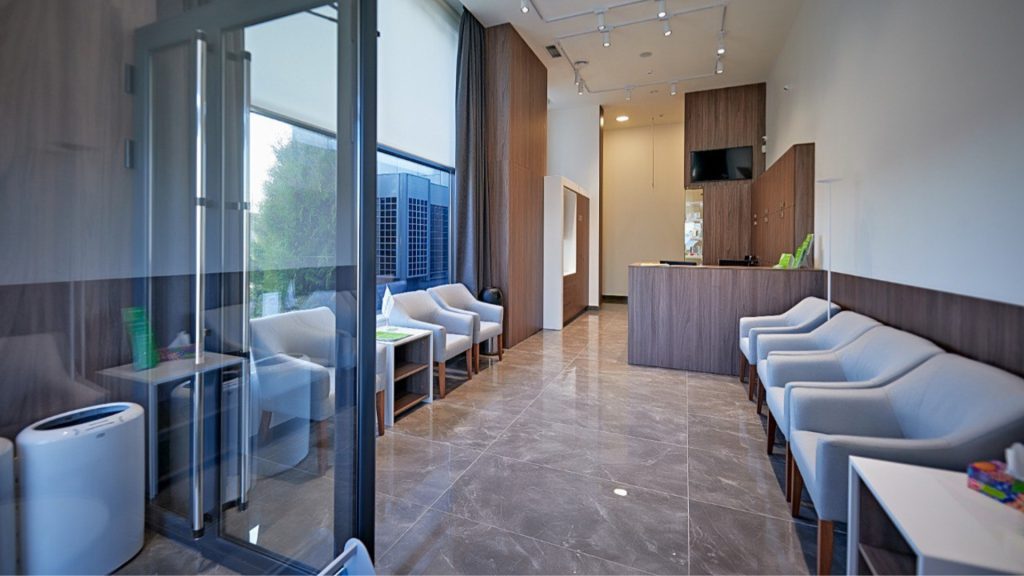
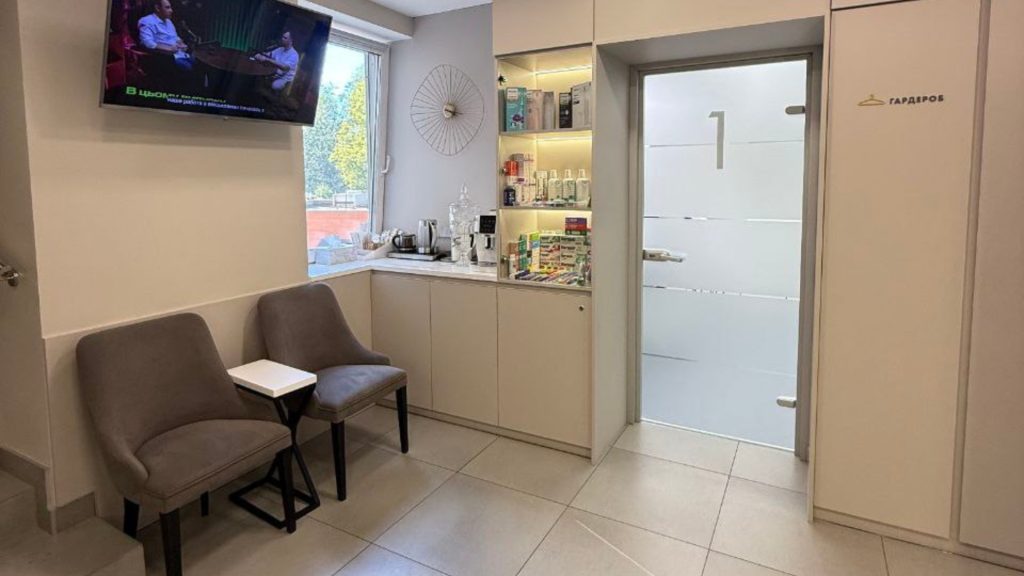
- Velyka Vasylkivska (ex. Lva Tolstogo)Inclusive
 +38(044)2223333
 25 Velyka Vasylkivska str.
MON - SUN: 9.00 - 21.00

-
Inclusive
-
Inclusive
-
Inclusive

-
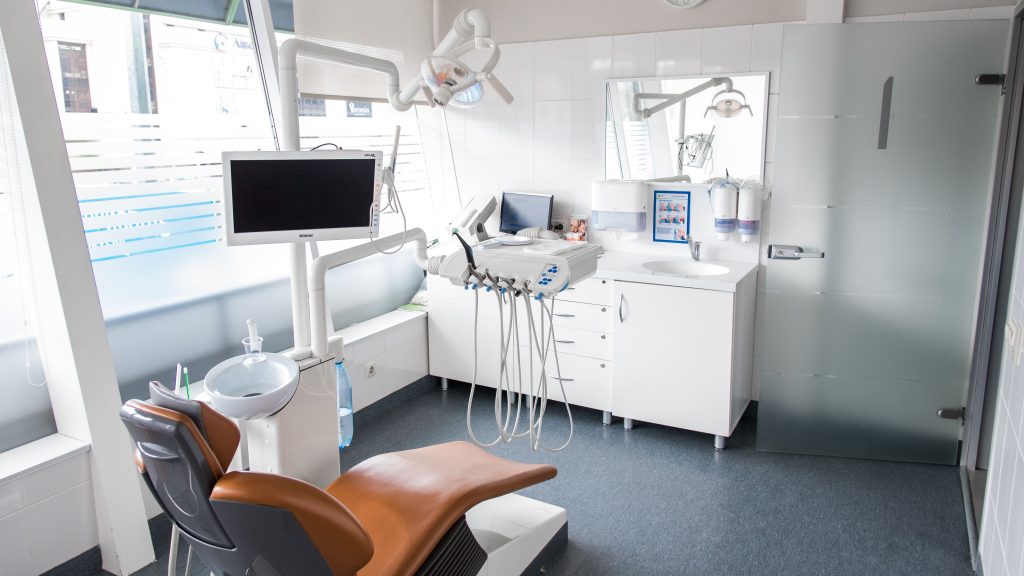
- Darnytsia Metro (DOMA Center shopping center)Inclusive
+38(044)2223333
40 Budivelnykiv Street
MON - SUN: 9.00 - 21.00

-
-
Inclusive
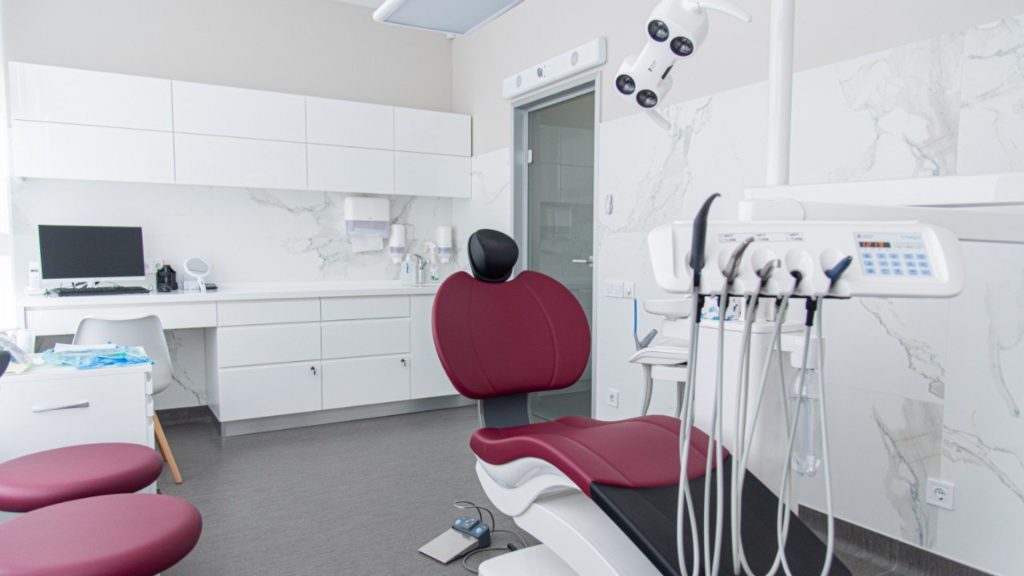
- ObolonInclusive
+380442223333
12-G, Vladimir Ivasyuk Avenue (Heroes of Stalingrad), Building 2
MON - SUN: 9.00 - 21.00
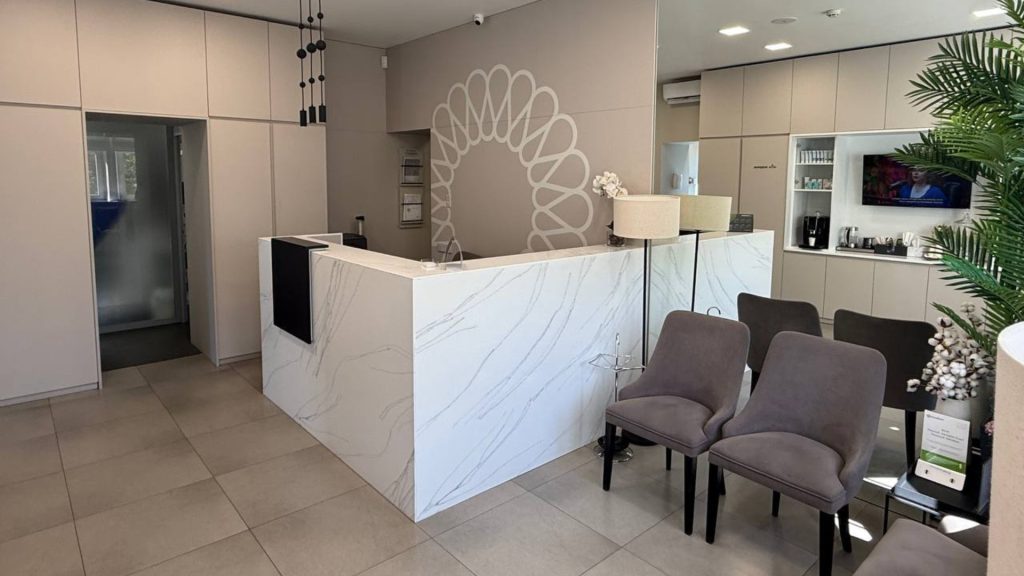
-
Inclusive

-
Inclusive

-
Inclusive
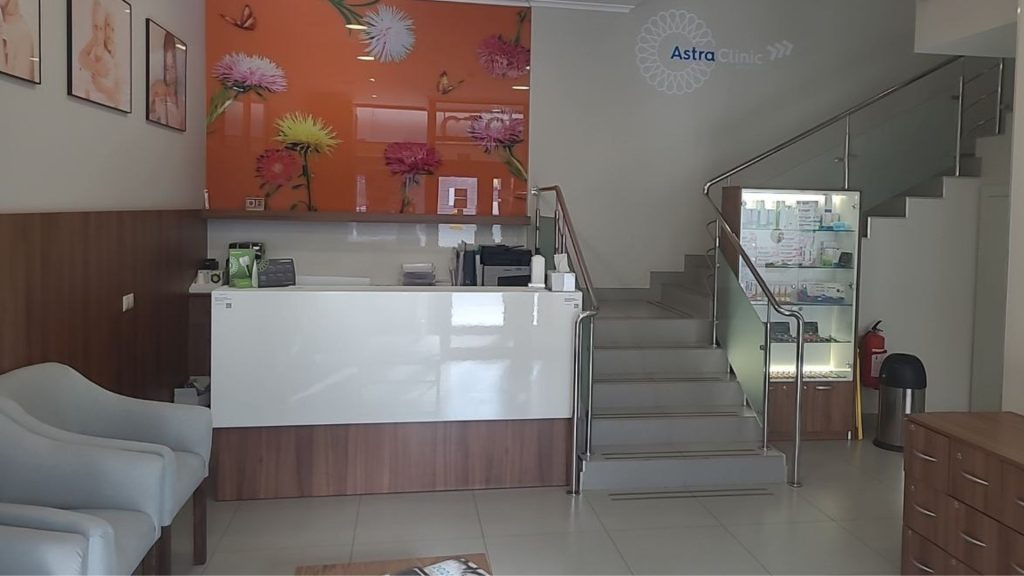
-
Inclusive

-
Inclusive
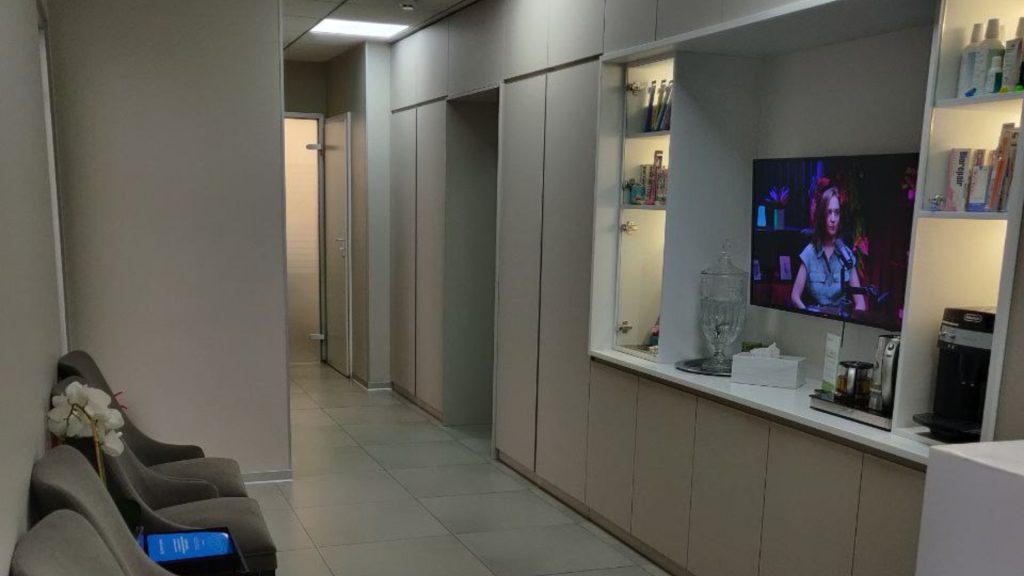
Astra Dent in Kyiv
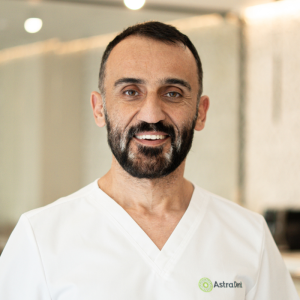

Why 250,000+ patients choose Astra Dent
-

Everything your smile needs — in one place
From preventive care and cavity treatment to implants and aesthetic dentistry.
-

A team of 150+ experienced doctors
Continuously trained in Ukraine and internationally, working with world-class equipment.
-

Convenience for the whole family
We treat both adults and children across all districts of the capital.
Need a consultation?

Book a free consultation
Please submit your phone number, and we'll contact you to schedule a convenient time for your visit
Natali
Coordinator
 info@astradent.ua
 Get a free consultation
-
 Open daily from 9 AM to 9 PM
 -
 No days off
 -
 Always powered