(044) 222 33 33


A selection of answers to frequently asked questions about sedation treatment
 106
106
Dental treatment under sedation is widely used in modern dentistry. This type of anesthesia ensures effective and safe pain relief during tooth extraction, implantation, and prosthetics. This method makes it possible to treat all dental conditions safely and without stress to the body in a single visit. Treatment is comfortable, safe, and completely painless for both adults and young patients. The method of anesthesia is selected by the dentist depending on the complexity of the therapeutic or surgical procedure, the patient’s age, and individual physiological characteristics.
What preparation is required for dental treatment under sedation?
Before treatment begins, the patient consults with a dentist. The dentist orders the necessary examinations and draws up a preliminary treatment plan, and we discuss all the details. Before treatment begins, the patient has the opportunity to speak with an anesthesiologist in any convenient way — in person or online.
What is the average duration of sedation?
Medicated sleep usually lasts 2-3 hours, but there are cases when the process takes longer. These can include both highly complex dental procedures and combined surgeries. Our inpatient staff includes ENT specialists and maxillofacial surgeons. So, if you require a complex surgical procedure, Astra Clinic offers the option to perform it under a single, longer-lasting anesthesia.
There is also the concept of short-term anesthesia — this refers to simple procedures that take the doctor no more than 30 minutes.
What tests must be performed before treatment under anesthesia if there are chronic conditions?
Before administering anesthetic care (general anesthesia, sedation, or medically induced sleep), patients are examined by a physician and an anesthesiologist. If there is a presence or suspicion of a concomitant condition, the patient is referred to relevant specialists to determine the severity of existing disorders and the need for therapy aimed at reducing the risk of potential complications during dental treatment and anesthetic care. The further course of preparation for treatment is determined by the dentist in consultation with the anesthesiologist. It is important to emphasize that anesthetic care is not an additional risk factor for the patient, but rather protection against pain and emotional stress.
Are there cases where medications administered for sedation do not take effect?
With a properly selected method of anesthetic support and its adequate administration, accompanied by full monitoring and visual observation by the anesthesiologist, this cannot happen. Our clinic is equipped with the necessary modern equipment, a full range of medications, and trained specialists to provide adequate and safe anesthesia; such cases are impossible.
What is the depth of sleep during treatment?
The depth of the patient’s sleep is determined based on the anesthesiologist’s instrumental and visual monitoring. The anesthesiologist’s toolkit includes a BIS monitor, which uses computer analysis of the electroencephalogram to display the depth of sleep in digital format. This eliminates instances of the patient being in a state of excessive or insufficient sleep.
Is dental treatment under sedation performed in an operating room or in a dental office?
At the clinic, most cases of dental treatment with anesthesiological support (medicated sleep) are performed in a dental office, which is additionally equipped with anesthesiological equipment.
Medicated sleep and general anesthesia — what is the difference?
The components of general anesthesia are: anesthesia (sedation), analgesia (pain relief), and, if necessary, muscle relaxation (relaxation of skeletal muscles — not used in the vast majority of dental procedures). Since in most cases of dental treatment, the dentist performs local or conduction anesthesia, the anesthesiologist only provides the anesthesia component (medicated sleep). This ensures that the patient tolerates the treatment well, and it enhances the dentist’s convenience and the quality of their work.
Does the clinic have resuscitation equipment?
The clinic has all the necessary equipment and medications to provide emergency care and perform resuscitation procedures.
Is it possible to remove fillings, perform root canal treatment, and place crowns in a single sedation session? What is the safest maximum duration of treatment under sedation?
Anesthesia for dental treatment at the clinic is administered using modern equipment and well-controlled medications, with virtually no negative impact on the patient’s body. Therefore, the duration is not limited and is determined by the scope of work required by the dentist.
At what intervals is anesthesia administered during treatment?
At the clinic, anesthesia for dental treatment is administered using short-acting, controlled medications that are administered either intravenously or by inhalation (through breathing) during the dentist’s procedure. Their effects wear off within minutes after the procedure ends.
What are the contraindications for treatment under sedation?
Anesthesia during dental treatment is used to protect patients from pain and emotional stress, which can trigger coronary (cardiac) or neurological complications in patients. Contraindications include decompensated forms of neurological, cardiac, endocrine, and other diseases.
What are decompensated conditions?
Decompensated conditions include, for example, acute myocardial infarction, pulmonary edema, hemorrhagic or ischemic stroke. In other words, conditions that require treatment in a specialized hospital.
How long can treatment last while the patient is asleep?
Anesthesia for dental treatment at the clinic is administered using modern equipment and well-controlled medications, with virtually no negative impact on the patient’s body. Therefore, the duration is not limited and is determined by the scope of work required by the dentist.
How does the treatment proceed if the mask covers the nose and mouth?
During dental treatment, the inhalation anesthetic (sevoflurane) is delivered to the airways via a laryngeal mask or an endotracheal tube, leaving sufficient space in the oral cavity for the dentist. During this time, the patient is asleep and does not feel these devices at all. A face mask is used only during the preparation phase (falling asleep) and the waking-up phase.


- 0


Get a free consultation
-
 Open daily from 9 AM to 9 PM
 -
 No days off
 -
 Always powered
Other posts
all
-

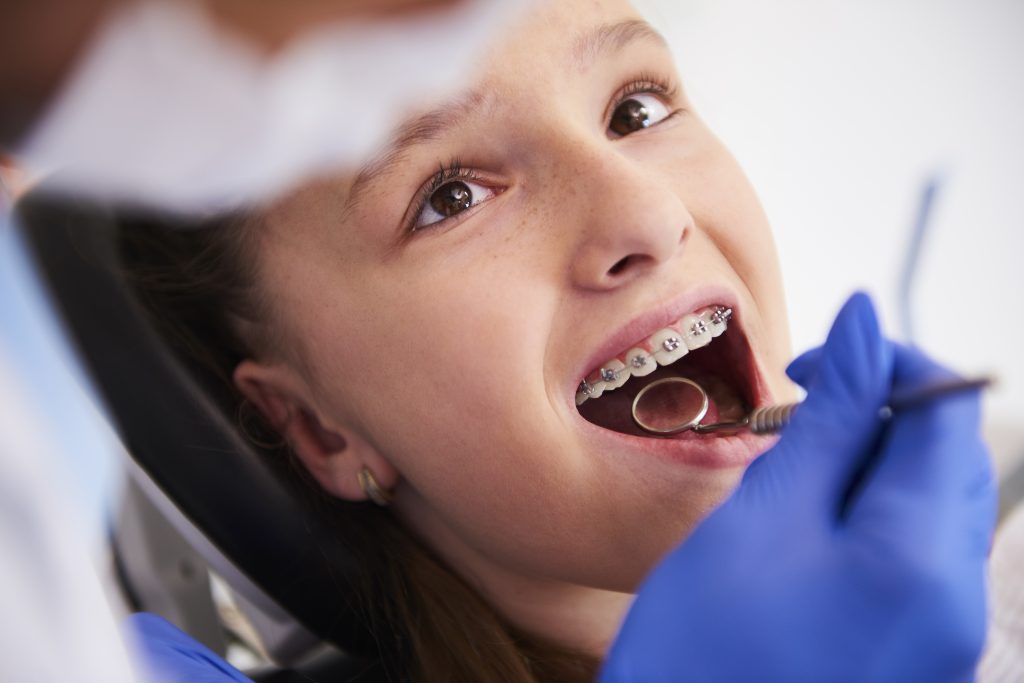 Guidelines for fixed orthodontic appliances
13/07/2026
150 -
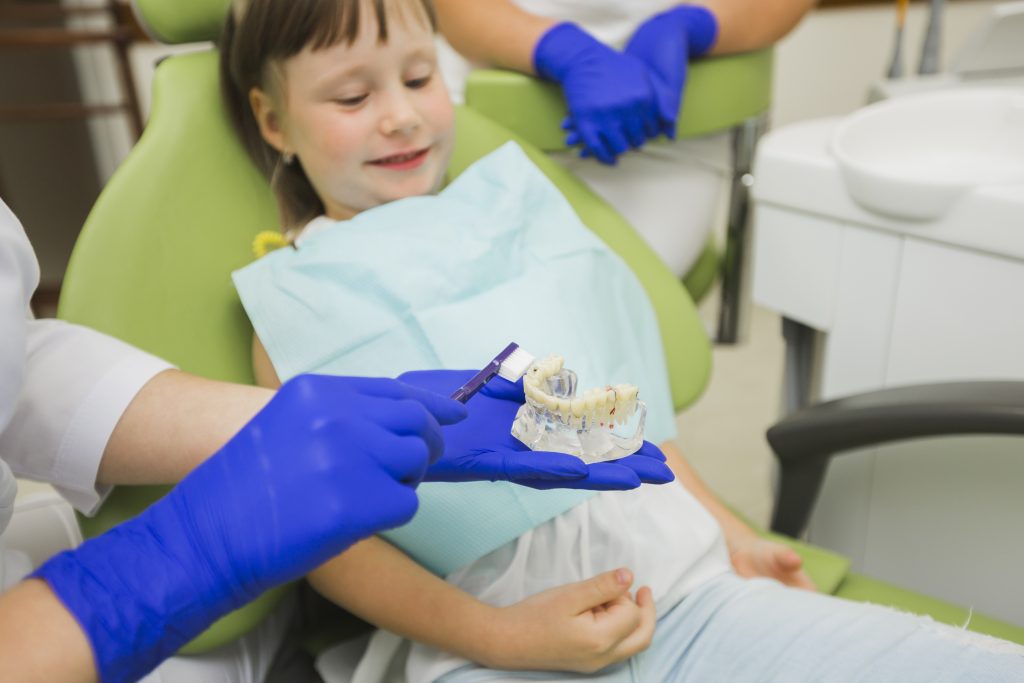 Guidelines for removable orthodontic plates
13/07/2026
158 -
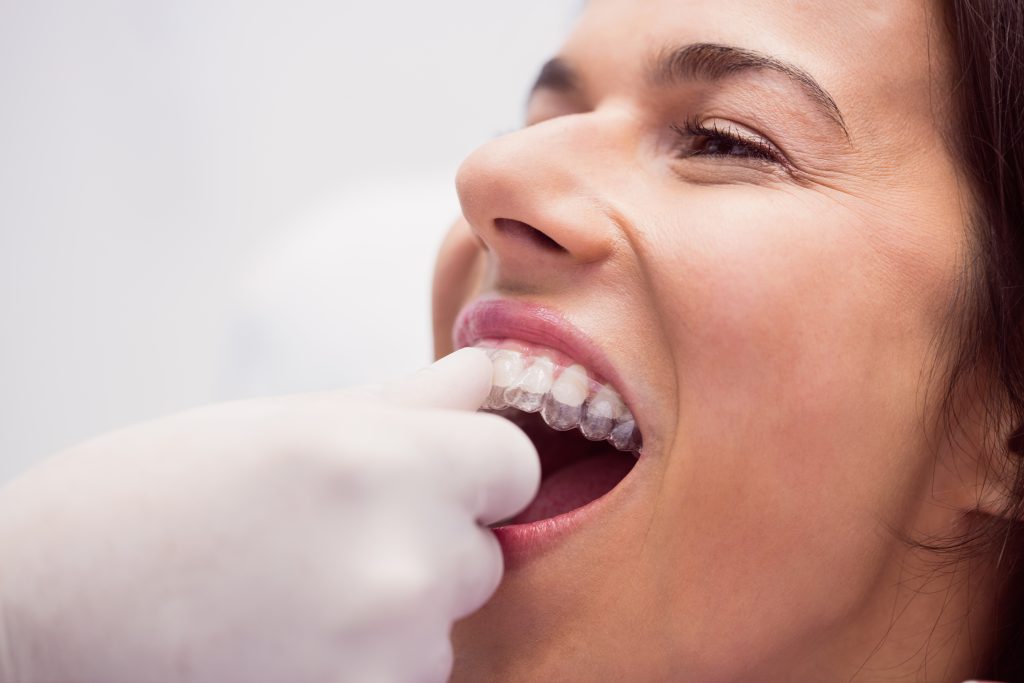 Recommendations for the care and use of a retainer
10/07/2026
131 -
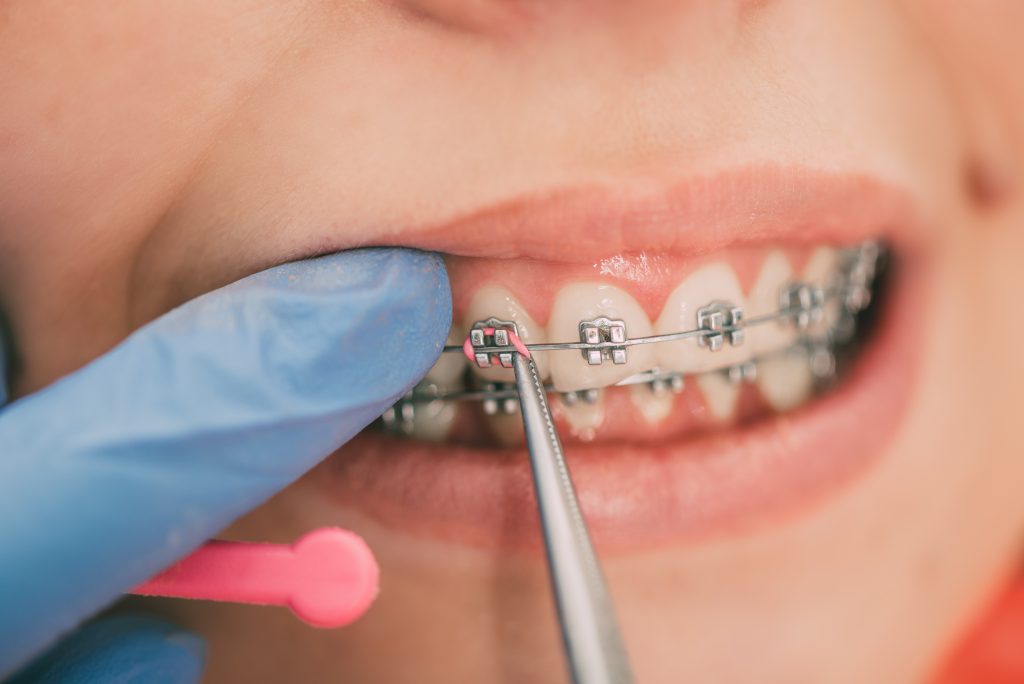 Guidance during treatment with braces
10/07/2026
122 -
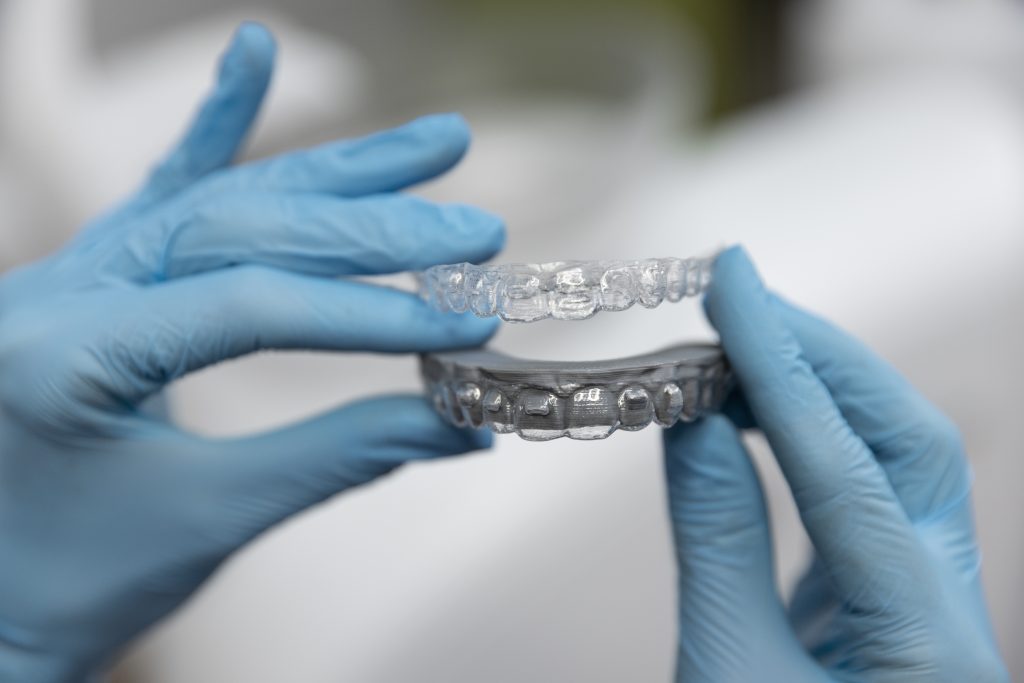 Guidelines on the use of aligners
10/07/2026
114 -
 Choosing dental Implants
20/05/2026
153

Need a consultation?

Book a free consultation
Please submit your phone number, and we'll contact you to schedule a convenient time for your visit
Natali
Coordinator
 info@astradent.ua