(044) 222 33 33


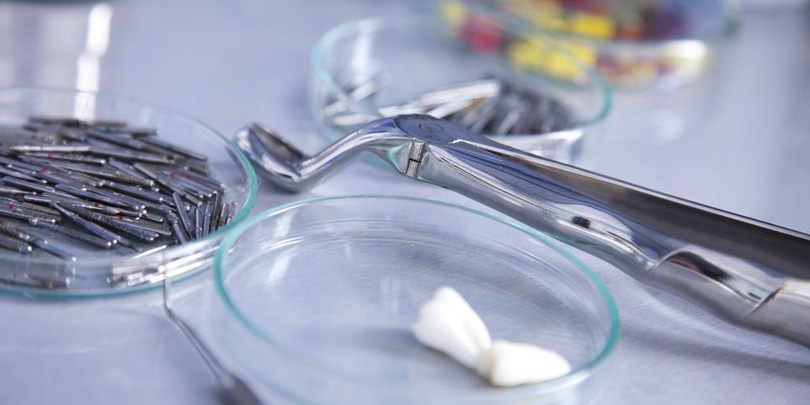

Aftercare for a tooth extraction
 1,263
1,263
1. The gauze swab put on the wound should be removed in 15-20 minutes after the tooth removal. Make sure that the blood has stopped.
2. It is not necessary to check the wound with the tongue, and, moreover, with hands. Also, it makes no sense to look at it in front of the mirror and show the results to your friends and relatives.
3. Do not damage the socket with your hands, matches and toothpicks. On the first day in the socket you can see a dark clot, which in a couple of days will become whitish (grayish). This is FIBRIN, which is a fabric helping the socket to heal. Do not rinse it out, do not remove it. Its presence indicates normal healing.
4. You can take food in 1-2 hours after the operation, then throughout the day it is recommended to avoid hot, spicy, hard and rough food. Chew it on the side opposite to the removal.
5. Do not touch, move or remove a blood clot in the socket, do not rinse your mouth and do not spit, do not suck the blood clot out from the socket of the removed tooth. Without a blood clot, the socket remains open and accessible to infections, and the open bone reacts to the temperature and other external stimuli. In addition, with the time the blood clot will turn into bone tissue, filling the area of the defect that was formed. Therefore, the longer it remains in the socket, the better, the calmer and less painful the after-operation period is.
6. During the day after the operation you should not drink and eat very hot food, warm the area of the tooth removal, put a hand to the cheek, sleep on the cheek from the side of the operation and so on. You should not apply warm compresses. Also, you should not visit the sauna and take a hot bath on the day of the tooth removal.
7. Do not drink alcohol during 24 hours after the tooth extraction. It is advisable not to smoke on the day of operation!!! Smoking can slow down healing processes.
8. It is advisable to avoid physical activity on the day of the surgery. Do not bend or lift heavy objects. It is important to remember that any excessive physical activity will cause an accelerated heartbeat and an increase in blood pressure that may cause bleeding.
9. If case of bleeding from the socket, you can put a sterile gauze swab on the wound and fix it with the teeth. To make a gauze swab, take a piece of sterile bandage or gauze and fold it a few times. If the bleeding is significant or does not stop within 12 hours after the removal, immediately contact the clinic.
10. After the tooth removal, swelling of the cheek on the side of the operation may occur. To reduce the risk of swelling, you can apply ice or cold objects to the cheek immediately after the surgery and during the first day. The cold should be kept on the cheek for 15-20 minutes with breaks every 10-15 minutes. On the second day, the swelling may increase, on the third day it usually disappears. If this does not happen and swelling does not disappear, contact a clinic for help.
11. Some discomfort after the termination of anesthesia is inevitable. If necessary, you can take a pain-killing pill recommended by your doctor. If the pain does not pass or intensifies for 2-3 days, you should immediately contact your doctor.
12. Do not take medication on an empty stomach. If antibiotics have been prescribed, complete the course. Even if you feel good after the operation.
13. On the first day after the tooth extraction, a slight increase in body temperature is possible.
14. Clean teeth even after removal! It is necessary to clean all teeth, but carefully, trying not to damage the socket. A clean mouth cavity helps healing.
15. The next day after the tooth removal for oral cavity disinfection during the day and after eating, you can make oral bathing with 0.05% solution of chlorhexidine bichluconate 2-3 times a day for 5 days. If the doctor has prescribed you oral bathing with antiseptics, this means you need to take the liquid in your mouth, keep it there and then spit without rinsing movements.
16. If on the 2nd-4th day in the socket of the removed tooth there is an acute pain, do not try to kill it with analgesics in the hope that everything will pass. The acute pain indicates the development of the inflammatory process – alveolitis. Analgesics will not cure alveolitis! The dentist will deal with this problem rather quickly. So, do not suffer from pain and visit the doctor.
17. If after the tooth removal you have stitches, then there are two ways. The dentist used either the fibers that are absorbable, and then it is not necessary to get the stitches out, or threads that do not absorb. Then in 7-10 days they should be removed. Find some time and visit the doctor, do not try to do it yourself.
18. Set yourself up for a good result.
19. And the last tip. Do not delay the treatment of your teeth, so as not to bring it close to the removal.
Be healthy! Take care of your health!
It is necessary to urgently contact a doctor if:
• pain intensifies or persists for more than 24 hours;
• bleeding from the alveolar socket intensifies or persists for more than 12 hours;
• one or more stitches made by the doctor are lost;
• there is a smell of rotting from the mouth;
• it is difficult or painful to open the mouth;
• a significant increase of the body temperature (more than 38 degrees) or if the temperature persists for more than 24 hours;
• swelling increases or persists for more than 3 days;
• the mobility of adjacent teeth has appeared.


- 1


Get a free consultation
-
 Open daily from 9 AM to 9 PM
 -
 No days off
 -
 Always powered
Other posts
all
-

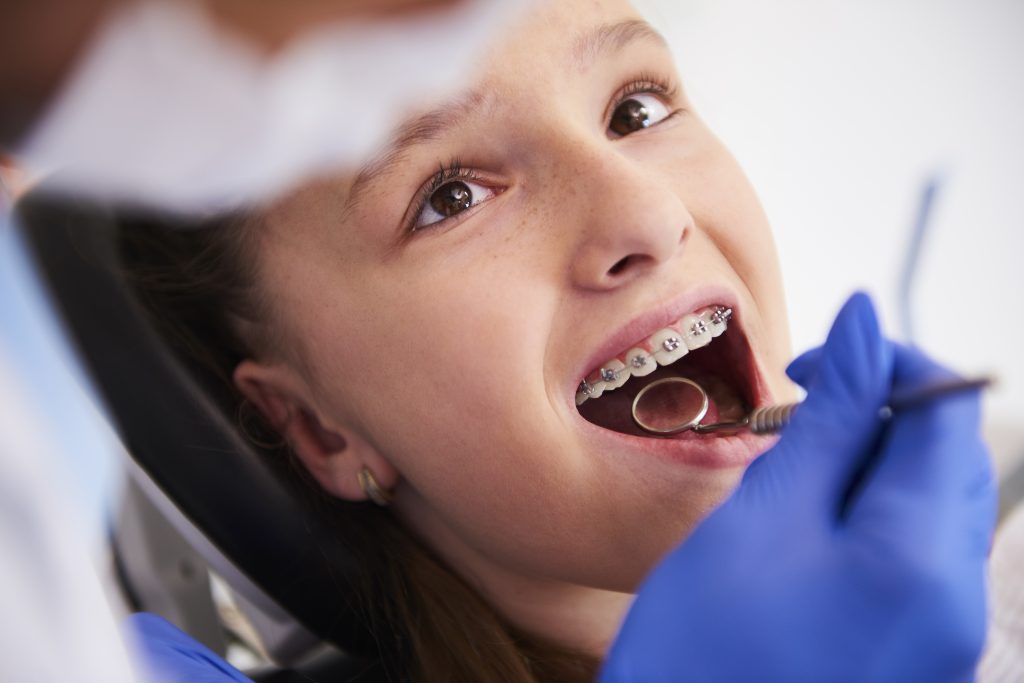 Guidelines for fixed orthodontic appliances
13/07/2026
151 -
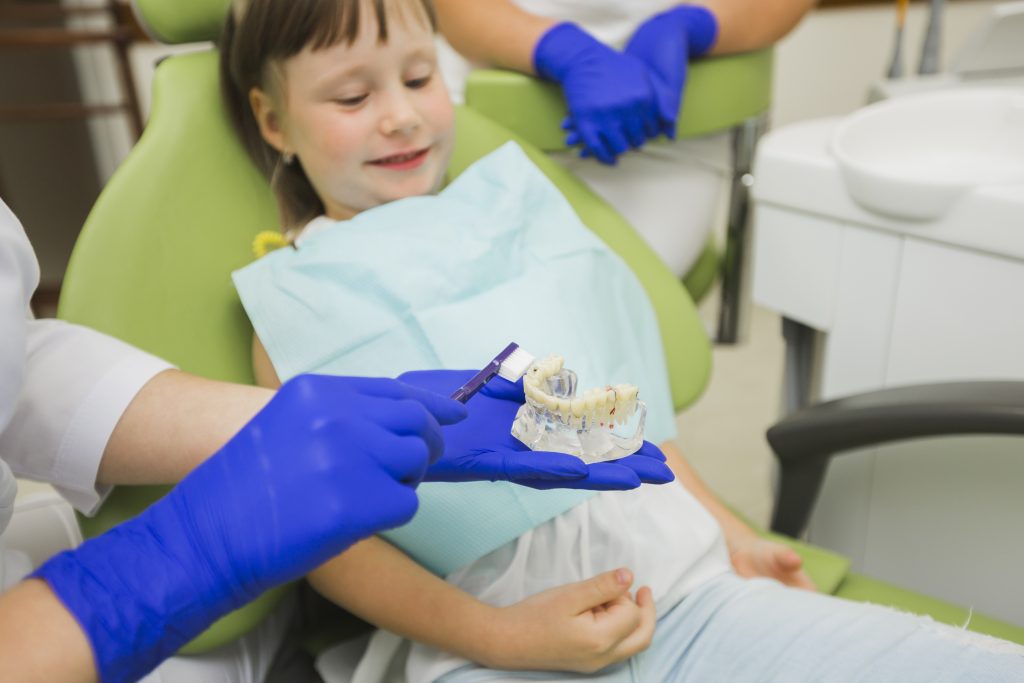 Guidelines for removable orthodontic plates
13/07/2026
161 -
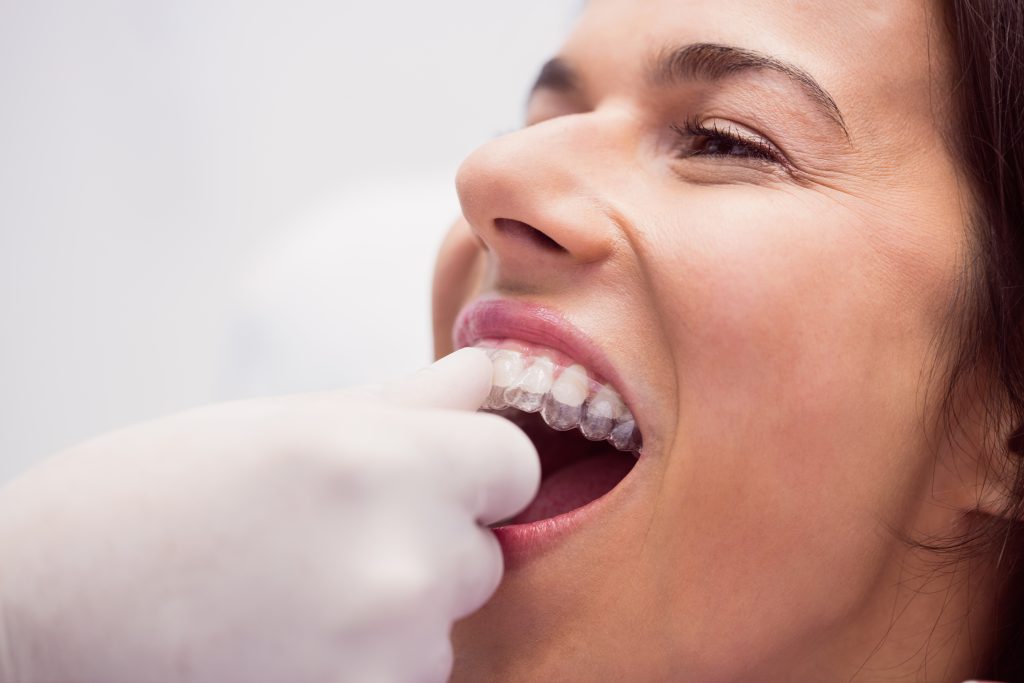 Recommendations for the care and use of a retainer
10/07/2026
134 -
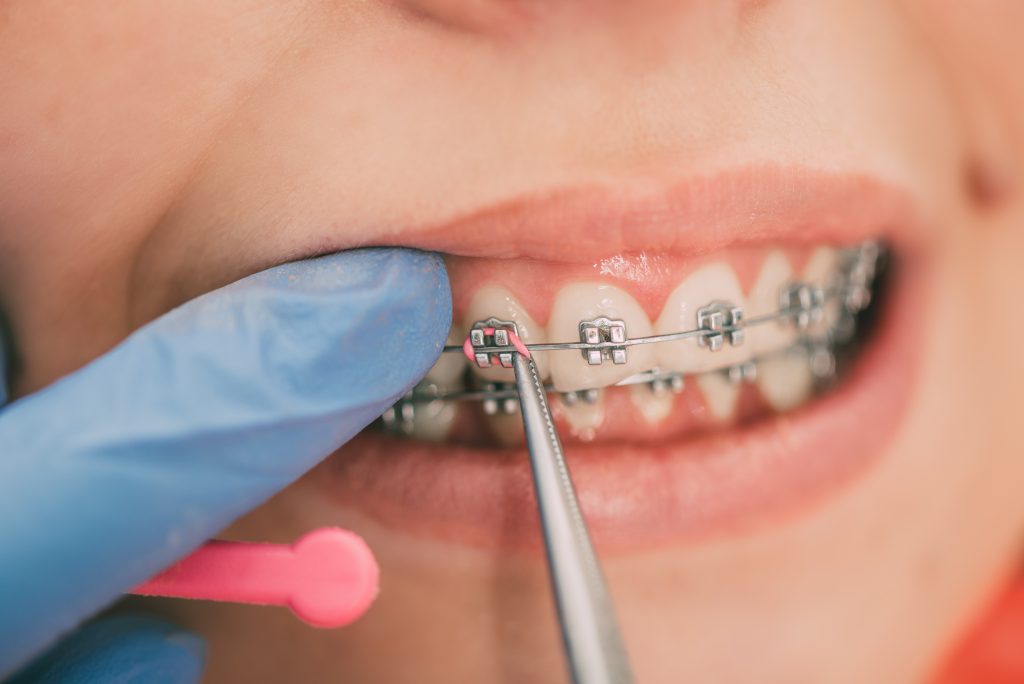 Guidance during treatment with braces
10/07/2026
126 -
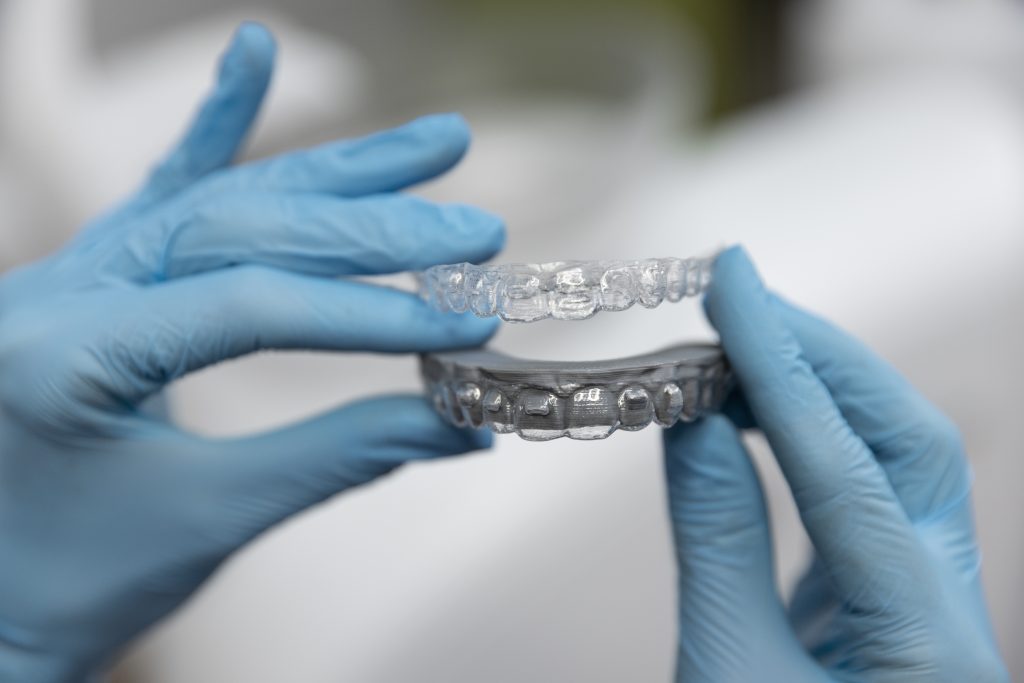 Guidelines on the use of aligners
10/07/2026
116 -
 Choosing dental Implants
20/05/2026
157
Need a consultation?

Book a free consultation
Please submit your phone number, and we'll contact you to schedule a convenient time for your visit
Alex
Coordinator
 info@astradent.ua