(044) 222 33 33


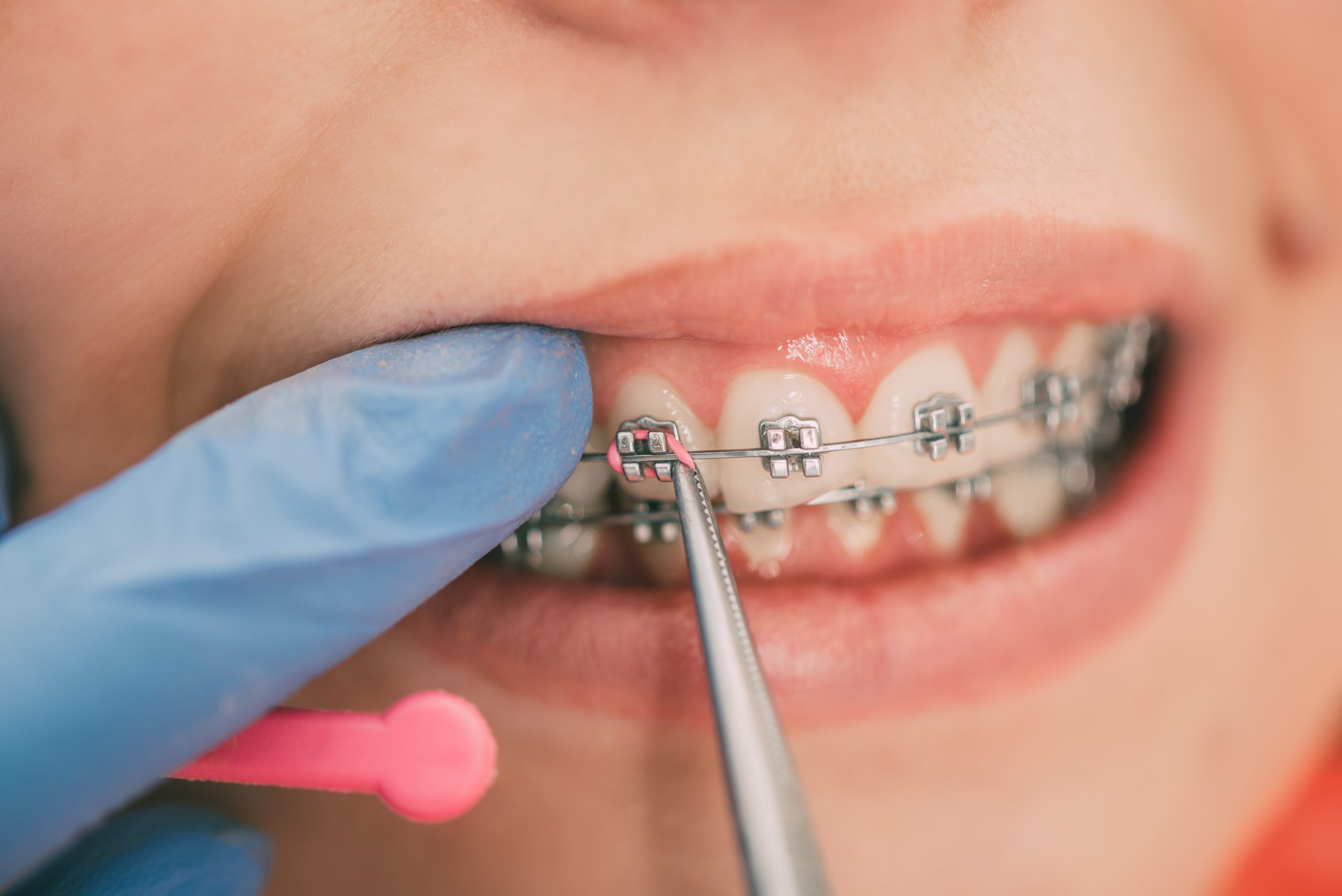

Guidance during treatment with braces
 187
187
Dear patient!
To achieve a high-quality, stable and predictable outcome from your orthodontic treatment with braces, please follow the recommendations below carefully.
Oral hygiene
During treatment with braces, oral hygiene requires special attention, as plaque builds up more quickly around the braces.
We recommend:
- brushing your teeth after every meal;
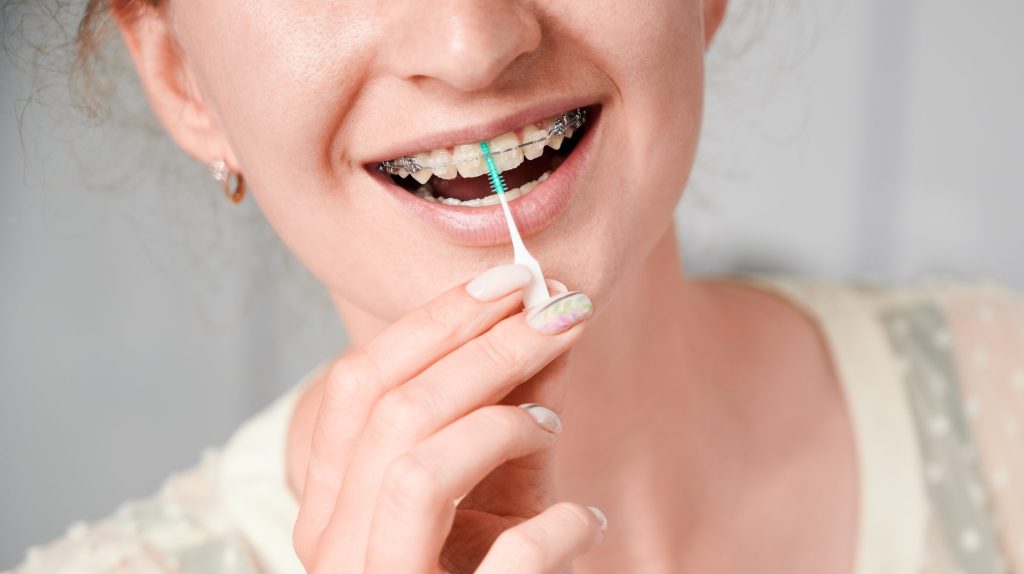
- using an orthodontic toothbrush, a single-tufted brush, interdental brushes and dental floss;
- using a water flosser after every meal;
- have a professional dental cleaning once every three months (or at other intervals as recommended by your dentist).
Poor oral hygiene can lead to gum inflammation and tooth decay.
If you have self-ligating braces, poor hygiene can cause plaque to build up in the brace covers, which may lead to them breaking (in which case the brace will need to be replaced).
Diet
To avoid damaging your braces, you should limit your intake of:
- hard foods (nuts, crispbread, sweets);
- sticky foods (toffee, caramel, chewing gum);
- the habit of biting into hard foods with your front teeth. You can bite into soft foods, such as marshmallows or a banana.
It is recommended that apples, carrots and other hard foods be cut into small pieces.
Discomfort following activation
In the first few days after the fitting or activation of braces, you may experience:
- pressure on the teeth;
- increased tooth sensitivity;
- discomfort and pain in the teeth whilst chewing;
- a feeling that your teeth do not close as they used to;
- irritation of the oral mucosa.
This is a normal reaction of the body to orthodontic pressure. To relieve discomfort caused by irritation of the mucous membranes, you can use orthodontic wax on the affected areas or gels designed to heal the mucous membranes (for example, Gum ‘Afta clear’).
To reduce toothache, you can take a painkiller (e.g. ‘Panadol’, ‘Paracetamol’), provided there are no contraindications relating to your general health. Painkillers relieve background pain, but pain when chewing may persist.
Breakages and emergencies
In the event that:
- a bracket has come loose (if possible, keep it and bring it to your appointment);
- an archwire has shifted or is causing injury;
- a component of the system has broken – please notify the dental practice and, if necessary, book an unscheduled appointment.
Follow-up appointments
Regular check-ups are an important part of treatment.
Missing or significantly postponing appointments may affect the duration and outcome of orthodontic treatment. If a patient fails to attend follow-up appointments for a period of 6 months, the clinic and the dentist accept no responsibility for the course of treatment.
If the dentist prescribes additional treatment aids, such as intermaxillary elastics, removable plates, aligners, etc., the dentist cannot guarantee that the planned treatment outcome will be achieved if these aids are not used correctly.
Important
The success of your treatment also depends on your adherence to the dentist’s recommendations.
Thank you for your trust and cooperation!



- 0


Get a free consultation
-
 Open daily from 9 AM to 9 PM
 -
 No days off
 -
 Always powered
Other posts
all
-

-
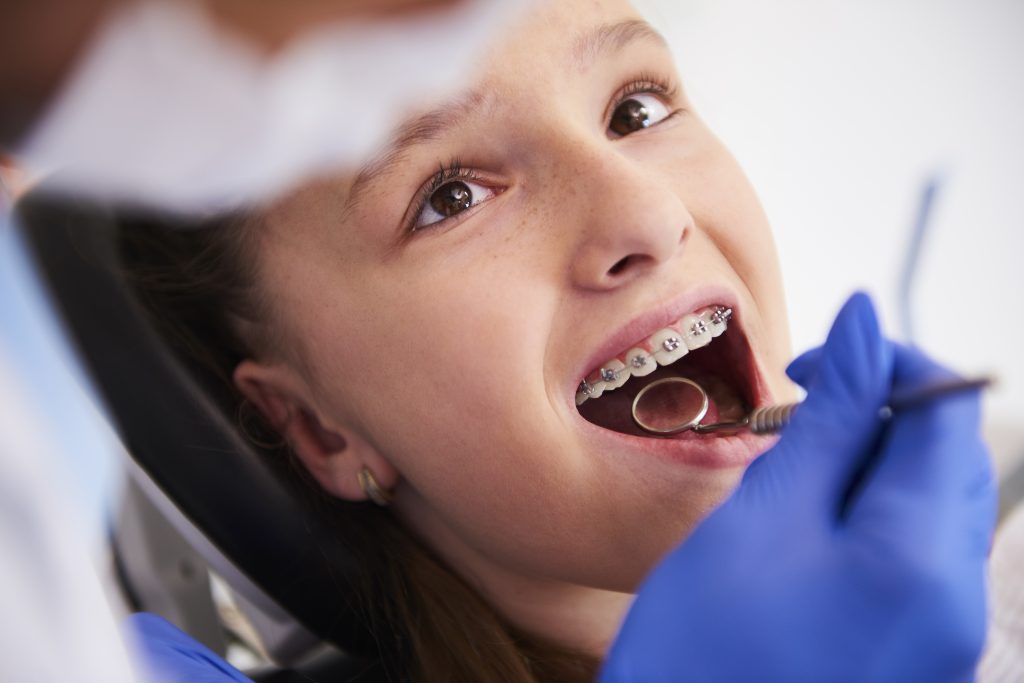 Guidelines for fixed orthodontic appliances
13/07/2026
232 -
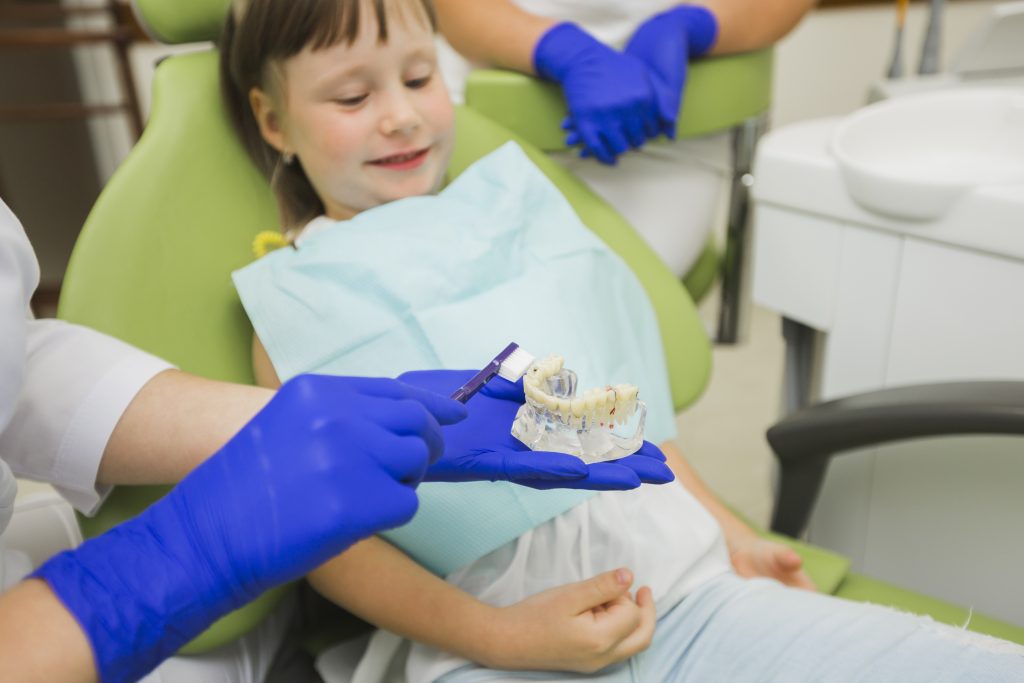 Guidelines for removable orthodontic plates
13/07/2026
249 -
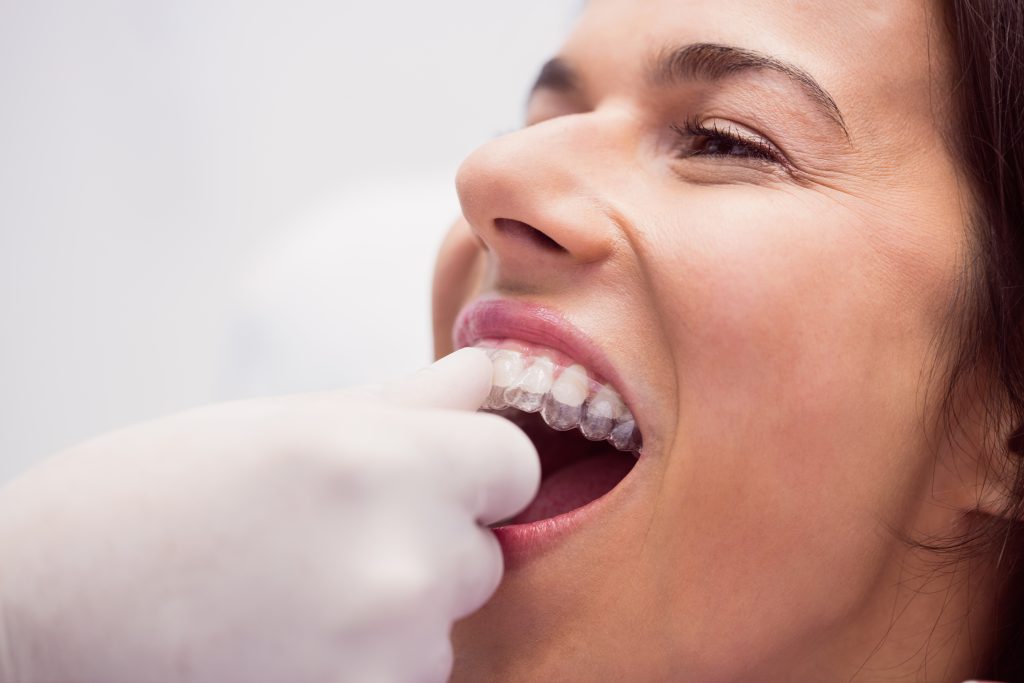 Recommendations for the care and use of a retainer
10/07/2026
191 -
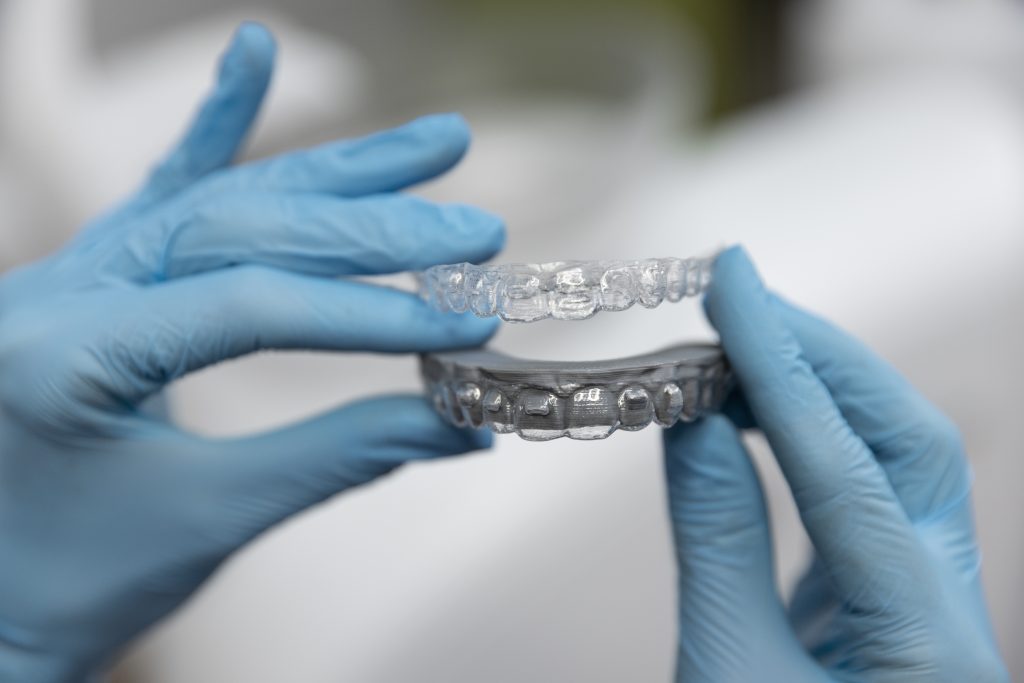 Guidelines on the use of aligners
10/07/2026
167 -
 Choosing dental Implants
20/05/2026
216

Need a consultation?

Book a free consultation
Please submit your phone number, and we'll contact you to schedule a convenient time for your visit
Natali
Coordinator
 info@astradent.ua