(044) 222 33 33


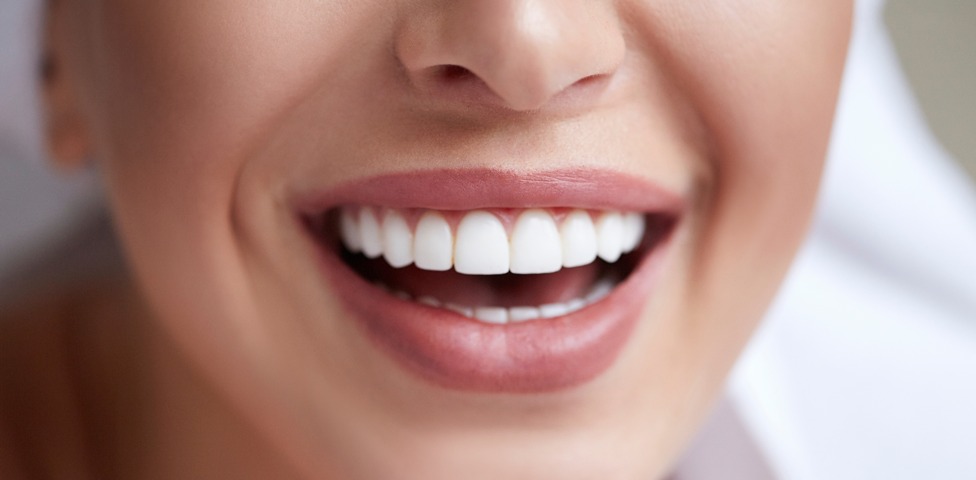

The secrets of veneers
 78
78
We constantly receive various questions from you about veneers, especially about their materials. So we decided to prepare a very useful material.
First-hand information is always the most valuable. However, when it comes to veneers, even an orthopedic dentist is not the “source”, because all the “magic” begins behind the scenes, and namely in the Astra Dent Laboratory. We talked to Stepan Shvachka, the chief technician of our laboratory, and are ready to share some exclusive information with you.

Which materials do you make veneers of?
Astra Dent Laboratory uses IPS e.max CAD in its practice – a complex high-quality all-ceramic system, which is used not only for veneers, but also for other indications.
The system includes:
- Reliable glass ceramics based on lithium disilicate (IPS e.max CAD) — naturally transmits the transparency of enamel for front teeth.
- Innovative ceramics based on zirconium oxide (IPS e.max ZirCAD) and coordinated facing ceramics (IPS e.max Ceram). Ceramics based on zirconium oxide is stronger, which guarantees long-term exploitation of veneers.
- IPS e.max Press ceramics, which complements the universal system and allows to perform difficult tasks in terms of aesthetics and function. Press ceramics is often used to restore chewing teeth, because the material contains lithium crystals, which makes it stronger and more resistant to loading.
Due to its versatility, clinical long-term success and wide range indicators, the system (IPS e.max) is the most successful and most used all-ceramic system around the world. That is why we choose it.
Before choosing a material for making veneers for you, ask your doctor about the materials which these structures are made of by the laboratory.
The material is the most expensive part of restoring a smile with the help of veneers. Therefore, when you compare the price of this service, pay attention to the materials used.
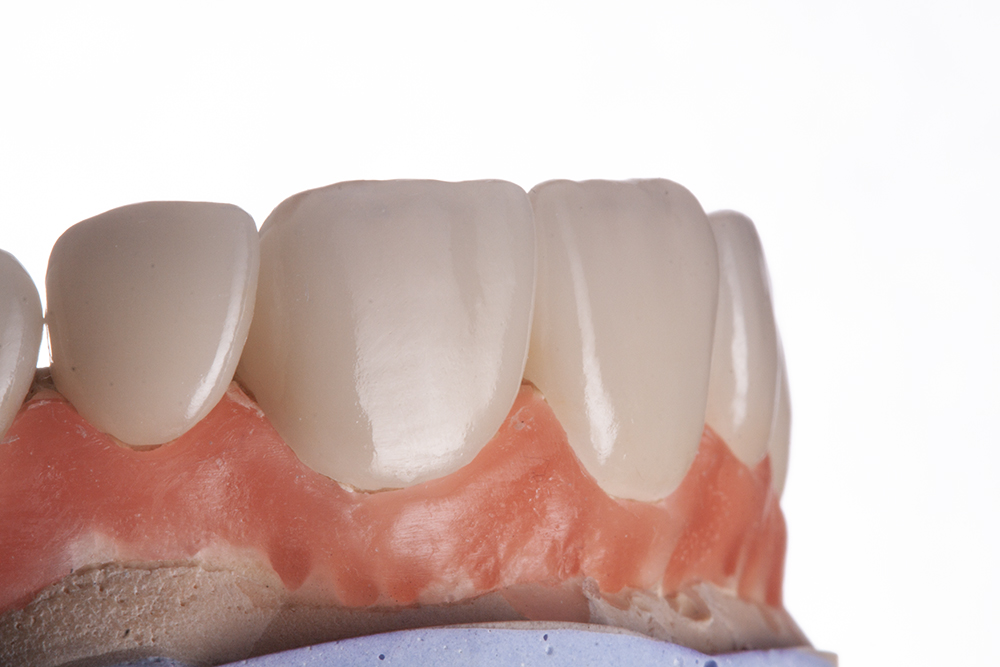
What are the current trends for veneers? Perfectly white or natural?
Nowadays the main fashion for veneers is in color gradation closer to natural white. These are the colors BL4 and B1. Color B1 stands on the border between what nature creates and artificially derived color. BL1 to BL4 is a color that will help patients get a snow-white smile.
Of course, the color is chosen with the dentist individually. Just as a nail technician has a palette of nail polish colors, dentists have a palette of tooth colors: from natural shades to flawless white. If it is a question of several overlays according to a certain treatment plan, the color which will be as close as possible to your natural is chosen. If we talk about total prosthetics with veneers, the choice is yours.
When you choose, for example, veneers lighter than your teeth only for the “smile zone”, you will have to constantly monitor the color of the teeth in the chewing area. That is, regularly do teeth whitening to make the smile look as natural as possible.
Naturalness is in trend not only in colors, but also in morphology: a solid tooth, without the effect of transparency of the edge, resembling a chewing gum pad, is less and less chosen by our patients, because the best smile is healthy and natural.
How are veneers created?
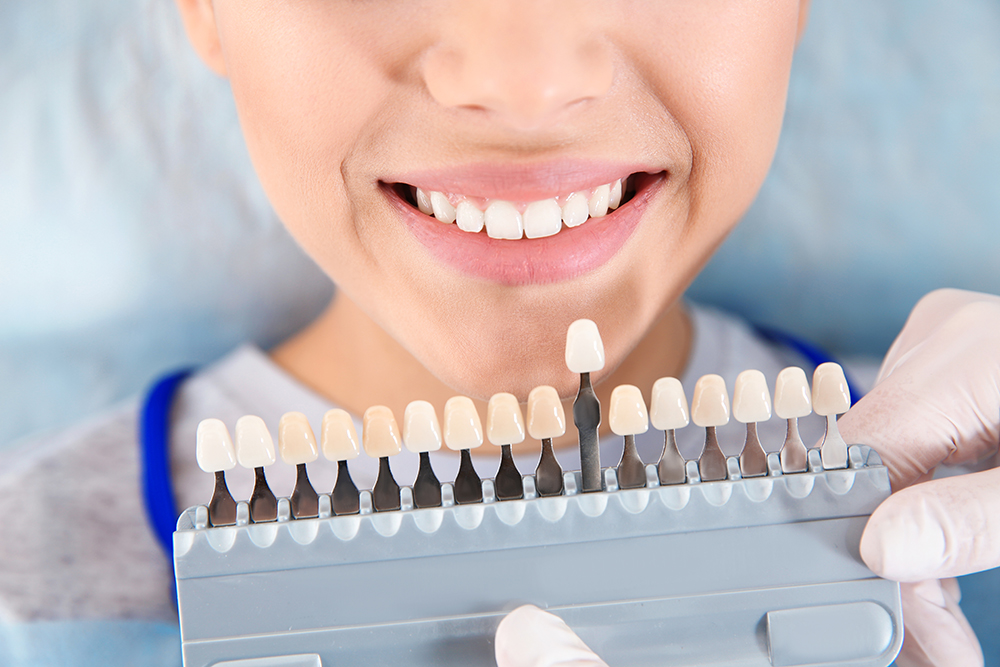
Dentist selecting patient’s teeth color with palette in clinic, closeup
When starting the order, the dental technician prepares a wax modeling (Wax-up) — diagnostics of the future work — which in turn allows to work out all the nuances associated with the shape and functionality of the maxillary apparatus.
We create morphology on the crowns (imitating naturalness) to satisfy the patient’s desire to look natural.
Conducting a photo protocol with the patient, we create DSD-design (Digital Smile Design — design of a beautiful smile) and prepare a visual case to discuss and make adjustments at the request of the patient, thus receiving a lot of information for the future work.
If you have a “favorite smile” — one of the actors, singers, etc. — send us a photo. We will be able to reproduce the shape of the teeth you aspire to.
How long do veneers last?
With proper hygiene, veneers last 10-15 years. After that, you need to visit the dentist again to decide what to do next. There are two options: completely replace the veneers with the new ones, or just polish the existing ones. This is a kind of maintenance for teeth.
Your smile will sparkle like diamonds in a glass of champagne. All you have to do is make the first step and book an appointment with an orthopedic dentist.




- 0


Get a free consultation
-
 Open daily from 9 AM to 9 PM
 -
 No days off
 -
 Always powered
Other posts
all
-

 Guidelines for fixed orthodontic appliances
13/07/2026
18 -
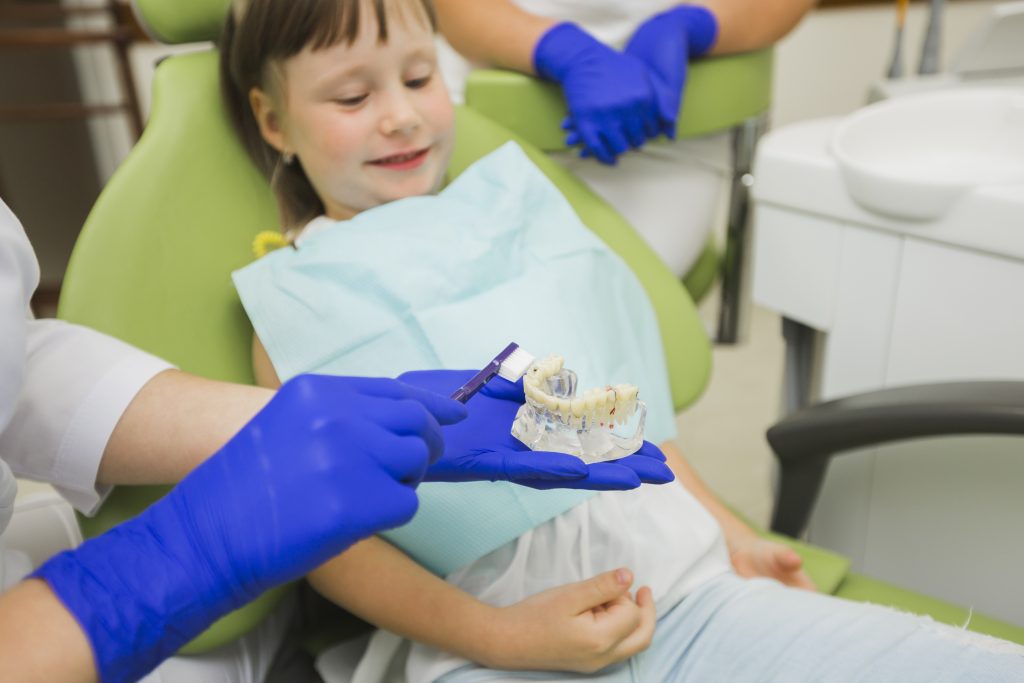 Guidelines for removable orthodontic plates
13/07/2026
18 -
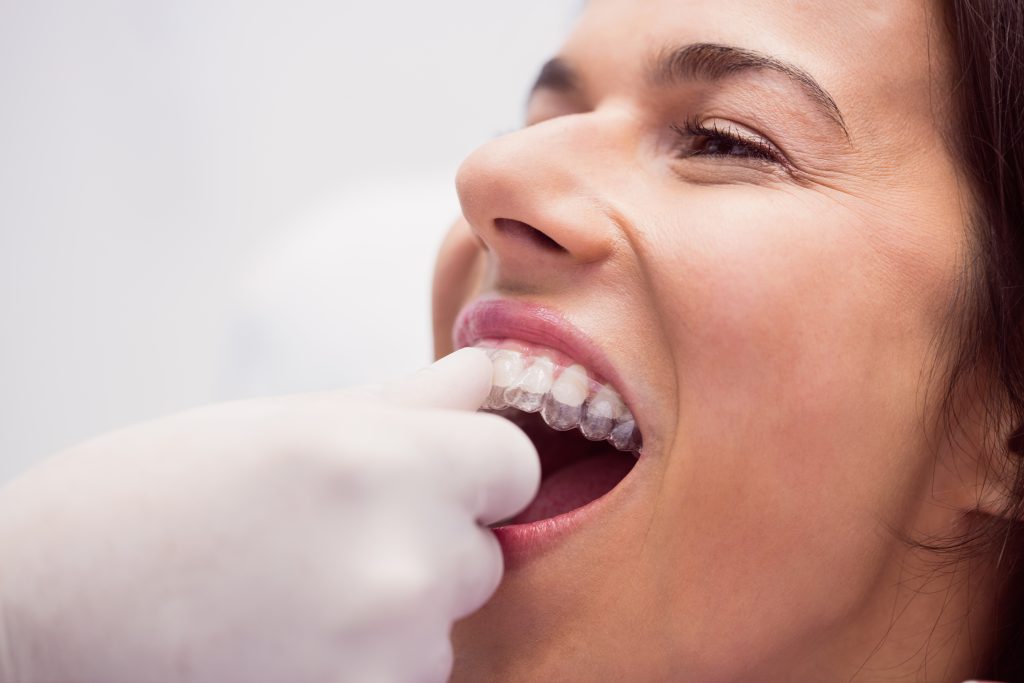 Recommendations for the care and use of a retainer
10/07/2026
40 -
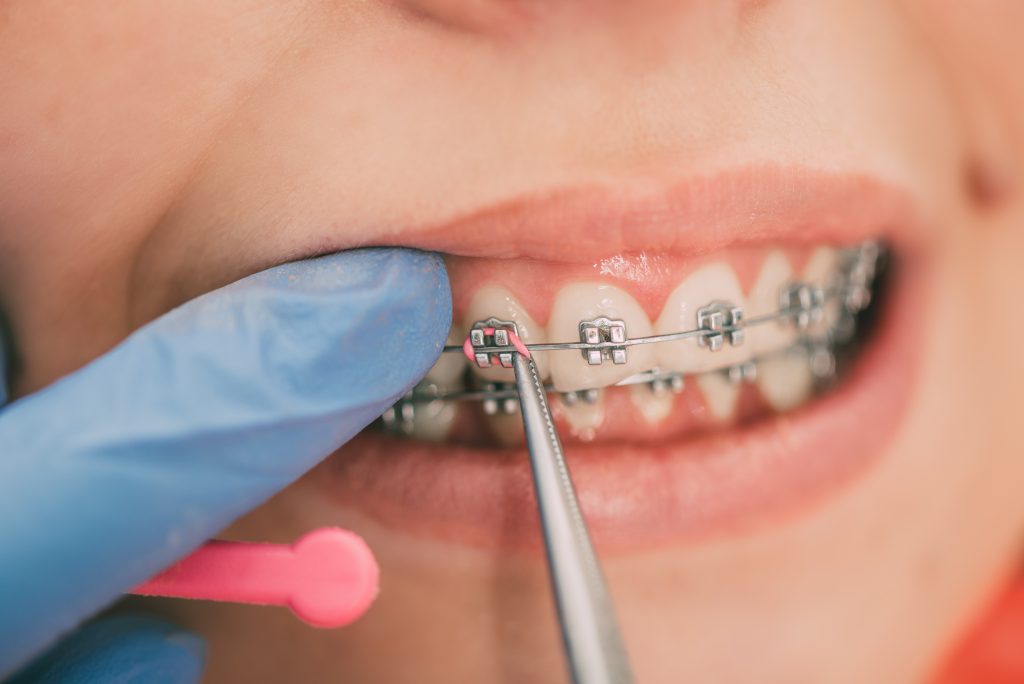 Guidance during treatment with braces
10/07/2026
25 -
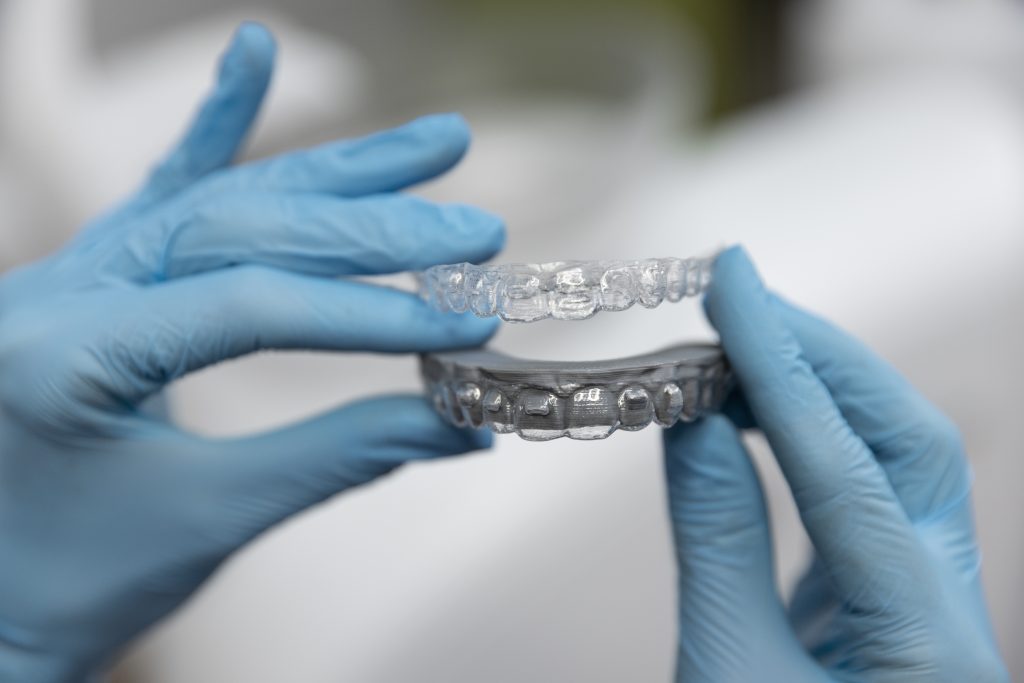 Guidelines on the use of aligners
10/07/2026
37 -
 Choosing dental Implants
20/05/2026
82

Need a consultation?

Book a free consultation
Please submit your phone number, and we'll contact you to schedule a convenient time for your visit
Natali
Coordinator
 info@astradent.ua