(044) 222 33 33




Types of bites
 219
219
There is a common misconception that a bite can be correct or wrong. In fact, there is a whole classification of bites. Let’s sort things out with our network orthodontist Roman Andriyashik.
Globally, all occlusal pathologies can be divided into skeletal and dental-alveolar.
Skeletal — a pathology at the level of bone size, i.e. the jaw can be long or short, wide or narrow. Dental-alveolar are less complex pathologies at the level of teeth and alveoli, in which everything is fine with the jaw.
Please find a more detailed classification below.
1. Deep bite
The teeth of the upper jaw cover the teeth of the lower jaw for more than ½.
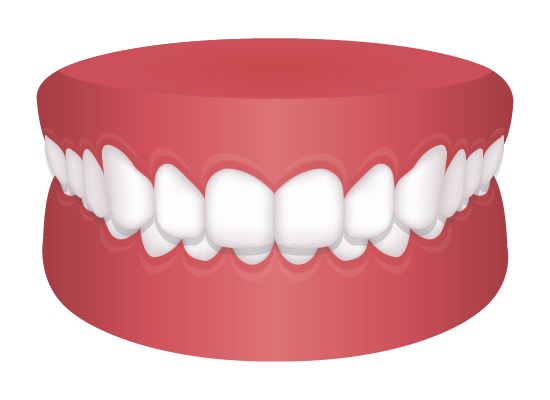
2. Distal occlusion
The lower jaw is displaced in the posterior direction relatively to the upper one.
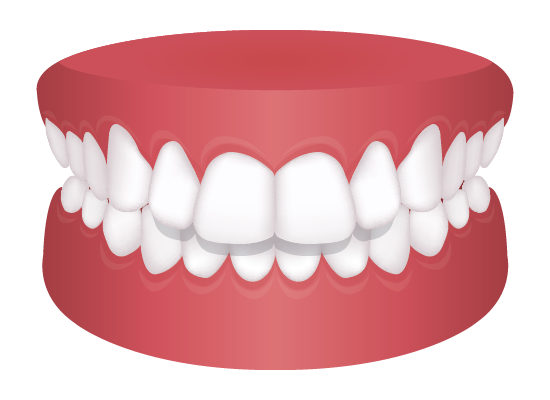
3. Deep distal occlusion
A combined variant, which involves the displacement of the lower jaw back, as well as the overlap of the upper front teeth over the lower ones for more than ½.
4. Mesial occlusion
Displacement of the lower jaw in the anterior direction relatively to the upper one.
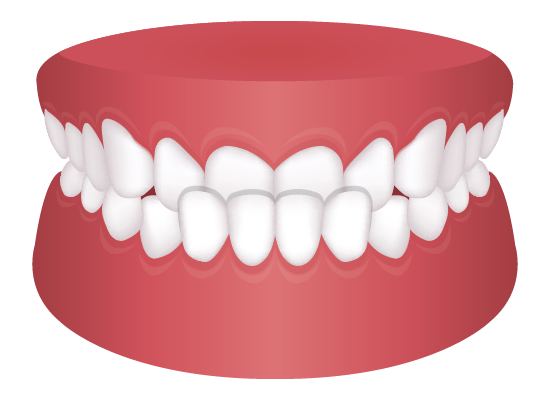
5. Cross-bite
Pathology that involves excessive narrowing of the upper jaw relatively to the lower in the lateral or anterior areas. It can be unilateral and bilateral.
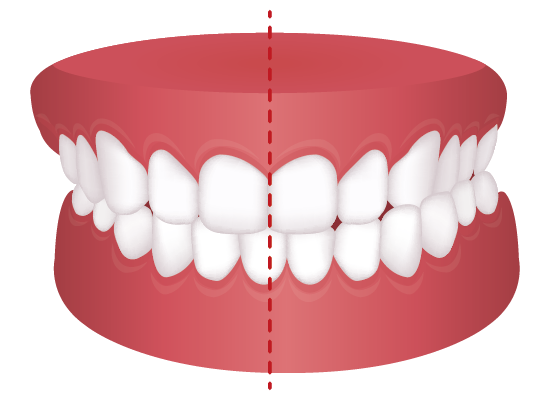
6. Open bite
Pathology of closing teeth vertically. Can be in the front part or on the side.
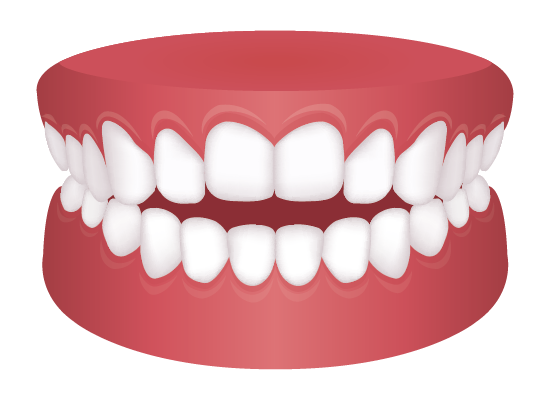
It sometimes happens that the bite is normal, but the teeth are uneven. These are dental-alveolar pathologies. These include:
- congestion of teeth (I, II, III degree);
- protrusions (teeth leaning forward);
- retrusion (teeth leaning back);
- tortoocclusion (axial rotation of the tooth);
- diastema (a gap between front teeth);
- tremae (gaps between all other teeth).
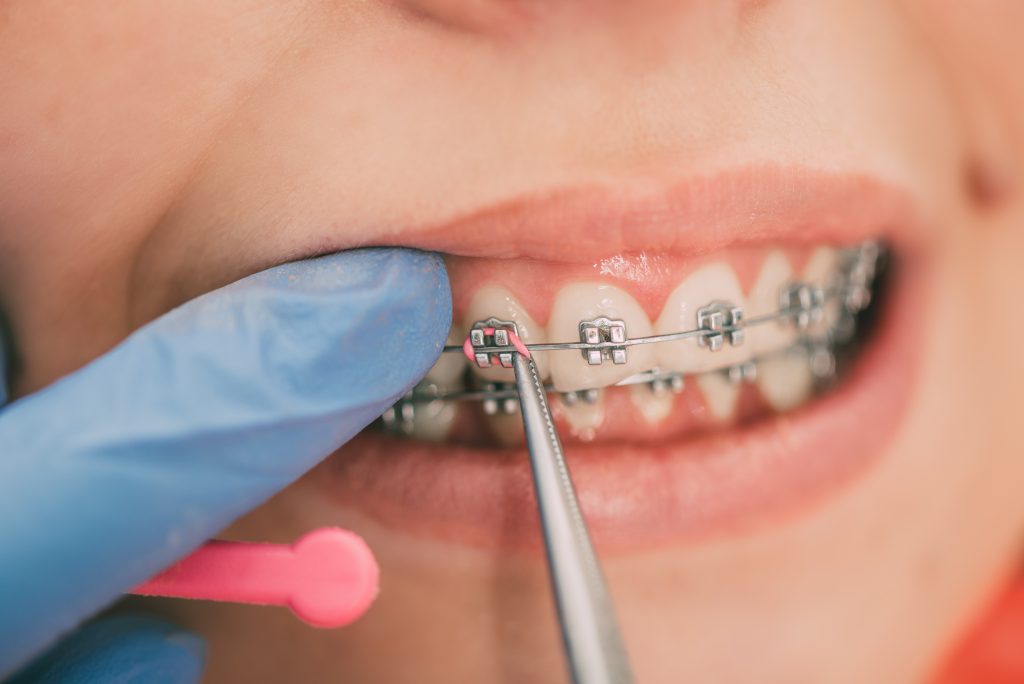
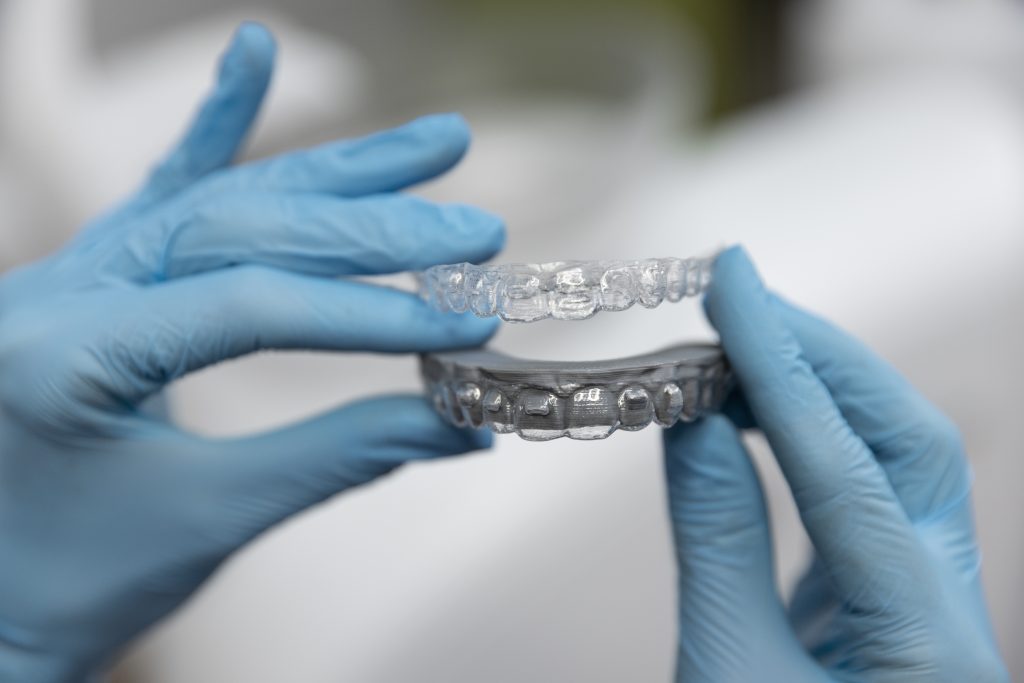
Braces are a universal method of bite correction, and also of teeth alignment. Aligners are an alternative to braces, but they can be ineffective with high degrees of complication and significant jaw displacements. Sometimes a combined treatment option is possible, i.e.: first, more complex stages of treatment are performed with the help of braces, and when the situation improves, the patient switches to aligners under the supervision of the doctor.
Would you like to know the opinion of a professional about your bite? Make an appointment for a consultation with our orthodontist!



- 0


Get a free consultation
-
 Open daily from 9 AM to 9 PM
 -
 No days off
 -
 Always powered
Other posts
all
-

 Guidelines for fixed orthodontic appliances
13/07/2026
150 -
 Guidelines for removable orthodontic plates
13/07/2026
158 -
 Recommendations for the care and use of a retainer
10/07/2026
131 -
 Guidance during treatment with braces
10/07/2026
122 -
 Guidelines on the use of aligners
10/07/2026
114 -
 Choosing dental Implants
20/05/2026
153

Need a consultation?

Book a free consultation
Please submit your phone number, and we'll contact you to schedule a convenient time for your visit
Maryna
Coordinator
 info@astradent.ua