(044) 222 33 33


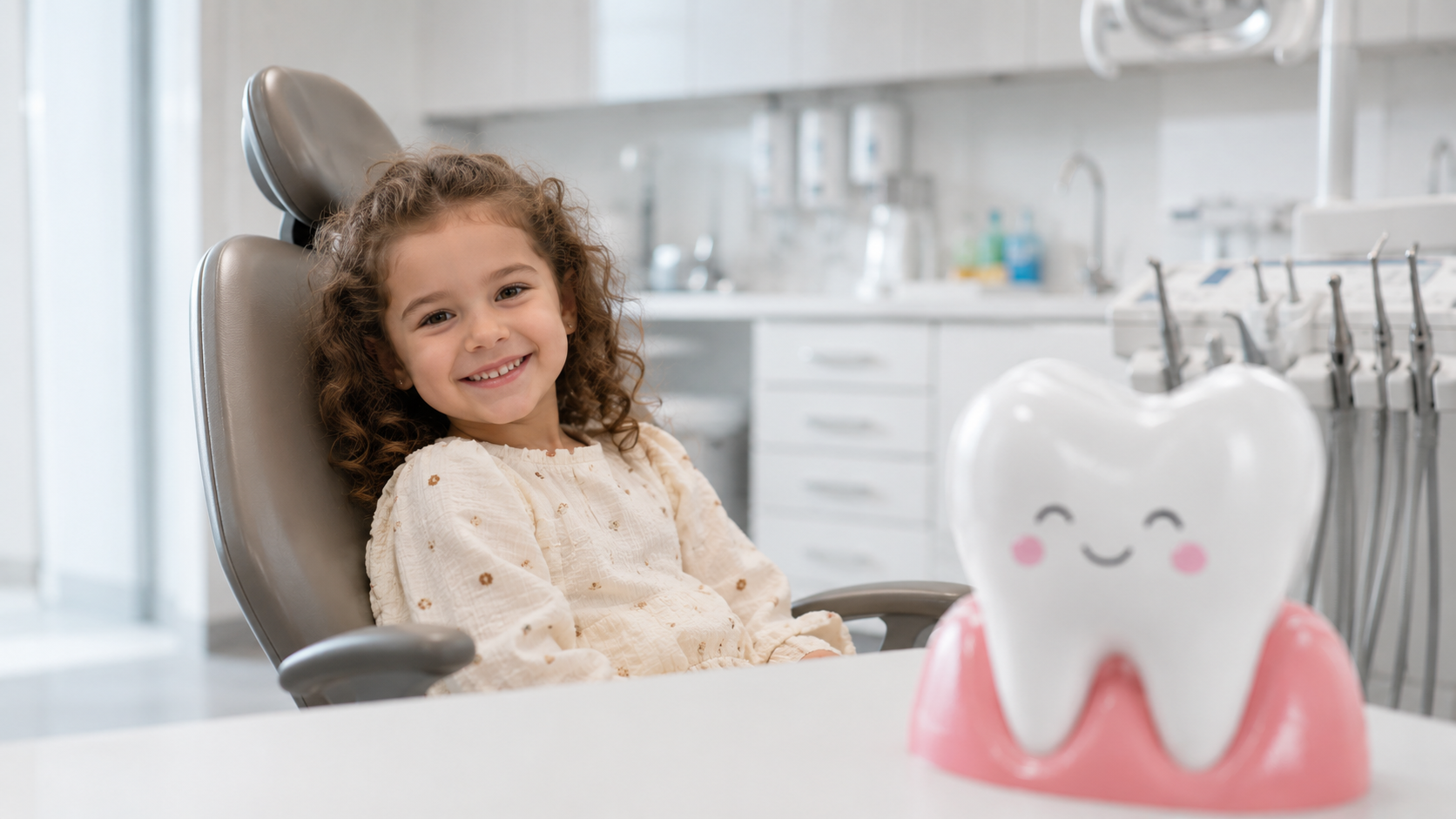

Package «Caries of milk tooth» primary
What are the indications for treating a baby tooth?
Treatment of milk tooth decay is necessary if it is in an active stage of development and could lead to complications. Indications for treating baby tooth decay may include:
pain or discomfort: tooth decay can cause pain, which may make chewing difficult or even disrupt a child’s sleep;
tooth damage: decay can lead to holes or cracks in the tooth, which can worsen its condition and lead to complications;
risk of infection: tooth decay can lead to a tooth infection that may spread to neighboring teeth and gums;
malocclusion: if left untreated, tooth decay can lead to tooth loss or changes in the bite, which may cause additional health problems for the child in the future;
The permanent tooth is not ready to erupt: if the baby tooth is not removed, tooth decay can damage the permanent tooth located beneath the baby tooth and lead to its improper development.
If any of these indications for treating baby tooth decay are present, it is recommended to see a dentist promptly for diagnosis and necessary treatment.
How is the procedure for treating baby tooth decay performed at Astra Dent dental offices?
The procedure for treating baby tooth decay depends on the extent of the damage to the tooth. In some cases, tooth extraction may be necessary, but conservative treatment is often possible. Typically, the procedure for treating baby tooth decay proceeds as follows:
- diagnosis: the dentist examines the tooth and assesses the extent of the decay;
- anesthesia: if the decay has reached the tooth’s nerve, anesthesia may be needed to numb the tooth before the procedure;
- removal of decayed tissue: the dentist removes the decayed tooth tissue using a drill or other instruments;
- Filling: After removing the decayed tissue, the tooth is filled with a filling to restore its shape and function;
- Crown restoration if necessary: If the tooth is severely damaged by decay, a crown restoration may be required. In this case, the dentist places a special cap or crown on the tooth, which helps protect the tooth and preserve its structure and function;
- follow-up examination: after treating a baby tooth for decay, it is necessary to undergo regular follow-up examinations at the dentist to monitor the condition of the tooth and prevent the recurrence of decay.
In general, the procedure for treating decay in a baby tooth is fairly painless and quick, and can take anywhere from 30 minutes to an hour, depending on the extent of the tooth damage and the necessary procedures.
What additional costs might be involved in treating a cavity in a baby tooth?
Additional costs associated with treating a cavity in a baby tooth may include:
- anesthesia: sometimes additional anesthesia may be needed to numb the area around the tooth, which can increase the cost of the procedure;
- X-ray: if the decay is deep, the dentist may order an X-ray to assess the condition of the tooth. This may incur an additional fee;
- filling materials: the choice of filling material can affect the cost of the procedure. For example, some materials, such as composite, may be more expensive than others;
- additional procedures: if the cavity was detected at a late stage, additional treatment may be required, such as tooth extraction or a root canal;
- specialist consultation: if the cavity is complex or requires specialized treatment, a specialist consultation may be necessary. This may incur additional costs.
In general, the cost of treating a baby tooth cavity can vary depending on the complexity of the treatment and the location of the dental clinic. It is recommended to discuss the cost of treatment with your dentist before the procedure begins.
Advice from Astra Dent pediatric dentists following the treatment of baby tooth decay.
After treating baby tooth decay, an Astra Dent pediatric dentist may offer the following advice:
Brush teeth regularly: After treatment, it is very important to ensure that the child brushes their teeth properly to prevent the recurrence of decay. The dentist can provide recommendations on brushing and encourage the child to brush their teeth twice a day;
- diet: the child should limit their consumption of sweet, acidic, and starchy foods, which can contribute to tooth decay. The pediatric dentist may recommend replacing sweets with healthier alternatives, such as fruits and nuts;
- regular checkups: the child should visit the dentist regularly for preventive checkups and to monitor the condition of their teeth. The dentist can recommend how often checkups should be scheduled, depending on the condition of the teeth and the risk of developing cavities;
- use of fluoride: fluoride helps strengthen tooth enamel and prevent tooth decay. The pediatrician may recommend using fluoride-containing toothpastes and mouthwashes;
- checking the condition of the teeth: parents should regularly check the condition of their child’s teeth and consult a dentist if any changes are detected.
Dentistry
Available in all dentistries
Service
Pediatric dentistryCost of services
1240 UAH
Dentistry
Available in all dentistries
Service
Pediatric dentistryCost of services
1240 UAH
Need a consultation?

Book a free consultation
Please submit your phone number, and we'll contact you to schedule a convenient time for your visit
Maryna
Coordinator
 info@astradent.ua
 Get a free consultation
-
 Open daily from 9 AM to 9 PM
 -
 No days off
 -
 Always powered