(044) 222 33 33


Orthognathic surgery
Orthognathic surgery is a procedure aimed at correcting the bite and facial proportions. It is also known as jaw surgery.
Malocclusion usually occurs in childhood and is characterized by protrusion of the upper or lower row of teeth or underdevelopment of the upper or lower jaw.
Indications for orthognathic surgery
Orthognathic surgery is necessary when correcting the bite with braces is not possible. This procedure often results in a change in the contours of the patient’s face and an improvement in its symmetry due to the formation of new tissue and bone structures. The essence of the operation is to move one or both jaws or change their size in order to achieve a visual balance of the facial structures, symmetry and correct occlusion of the teeth for an aesthetic smile.
How is the operation performed?
The operation is performed in hospital conditions under general anesthesia. All incisions are performed intra-orally. The duration of the intervention on both jaws can be from two to four hours, and after three to four days the patient is usually discharged home for outpatient treatment.
Indications for orthognathic surgery
- Significant deformations of the jaws and bite, which are difficult to correct with conservative methods, such as braces.
- The need to solve functional problems, such as chewing and breathing.
- Cosmetic aspects such as facial asymmetry or misaligned teeth.
Possible contraindications for orthognathic surgery
- Systemic diseases in the stage of decompensation that can complicate the general condition of the patient and the healing process after surgery.
- Mental disorders that may worsen after surgery.
Osteotomy
Osteotomy of the jaw is a surgical procedure (sawing of the jaw) aimed at correcting anomalies and deformations of the jaws, moving the jaws into a more correct position.
Indications for jaw osteotomy may include:
- Maxillofacial deformities, such as malocclusion, facial asymmetry, or breathing problems.
- Congenital or acquired deformities of the jaws, such as symphyseal asymmetry, dental anomalies, or genetic syndromes affecting the structures of the jaw.
- Lack of success of conservative treatment methods, such as orthodontic appliances, in solving problems with bite or other jaw deformities.
Preparation and rehabilitation
Preparation and rehabilitation after orthognathic surgery are important steps in the successful recovery of the patient. Here are some aspects worth paying attention to:
- Preparation for the operation: before the operation, the doctor will conduct an examination and discuss the treatment plan with you. This may include dental impressions, X-rays, computed tomography (CT), cephalometric pathology analysis, and other studies.
- Nutrition: A limited amount of food and fluids may be recommended before surgery to prevent possible complications from anesthesia, and after surgery there may be recommendations to limit solid foods and avoid hot foods.
- Lifestyle: After surgery, lifestyle changes may be required for the first few days or weeks, including limiting physical activity and avoiding certain foods.
- Postoperative care: It is important to follow all the doctor’s recommendations after surgery, including taking medications, intensive oral hygiene, and regular follow-up visits.
- Physical therapy and rehabilitation: The doctor may recommend physical therapy procedures or rehabilitation exercises to help restore jaw function and reduce the possibility of complications.
It is important to follow all of your doctor’s recommendations for preparation and rehabilitation after orthognathic surgery to ensure a successful recovery and maximum benefit from the surgery.
Prices for services
Doctors

 5 years of experience
Surgent, Surgent-implantologist
 7 years of experience
Surgent, Surgent-implantologist
-
21 year of experience
Surgent, Surgent-implantologist
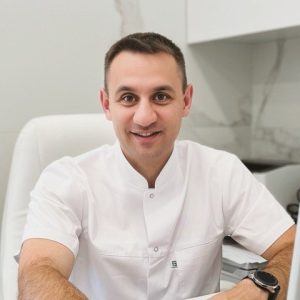 18 years of experience
Surgent, Surgent-implantologist
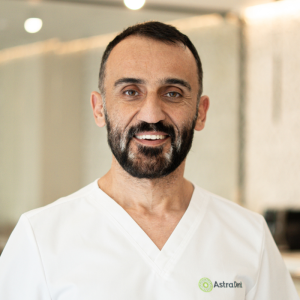

Dental surgery: other services
Why 250,000+ patients choose Astra Dent
-

Everything your smile needs — in one place
From preventive care and cavity treatment to implants and aesthetic dentistry.
-

A team of 150+ experienced doctors
Continuously trained in Ukraine and internationally, working with world-class equipment.
-

Convenience for the whole family
We treat both adults and children across all districts of the capital.
Need a consultation?

Book a free consultation
Please submit your phone number, and we'll contact you to schedule a convenient time for your visit
Alex
Coordinator
 info@astradent.ua
 Get a free consultation
-
 Open daily from 9 AM to 9 PM
 -
 No days off
 -
 Always powered