(044) 222 33 33


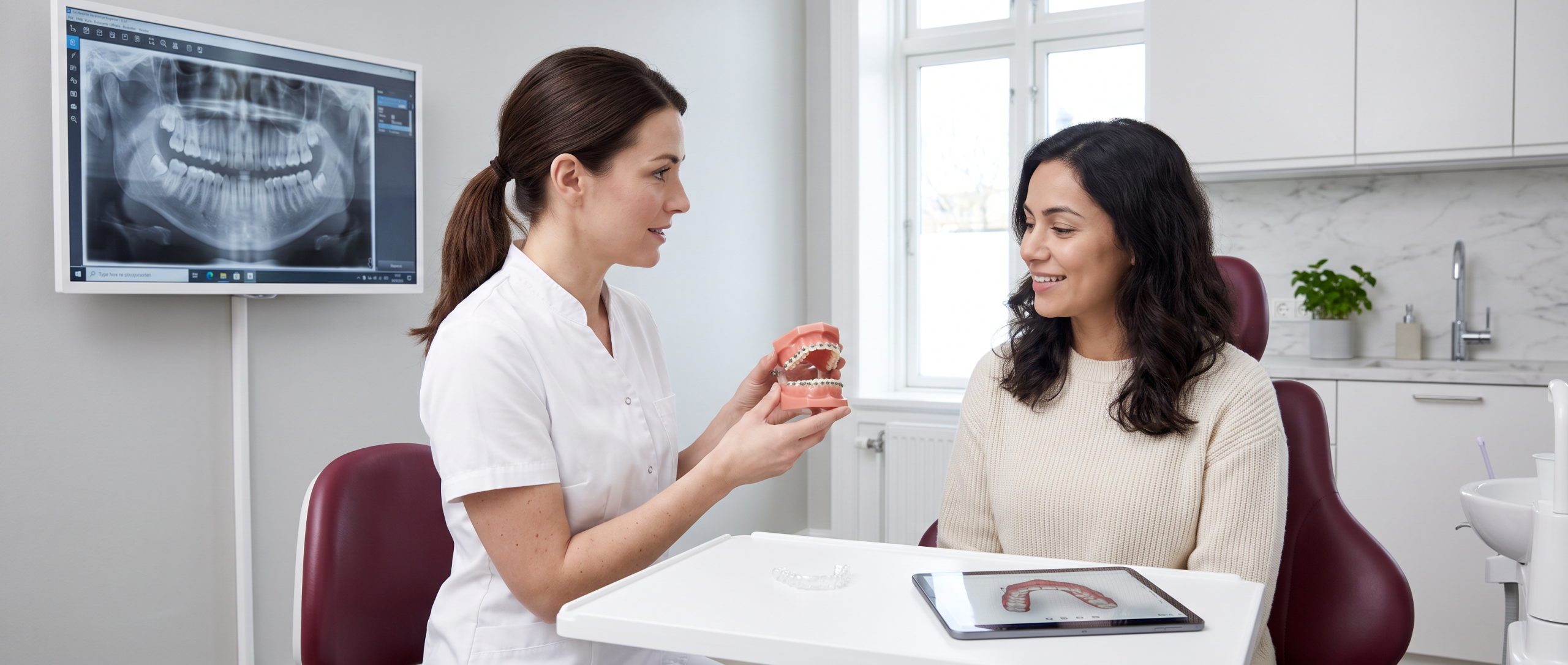

Consultation with an orthodontist
An orthodontist is a doctor who treats occlusal pathologies and deals with the prevention of dental anomalies.
When and who should visit an orthodontist?
Parents should know that the first visit to the doctor should take place at the age of about 3 years, when all the baby teeth came out (20 teeth). The next visit should take place at the age of 6-7 years, when the replacement of deciduous teeth with permanent ones begins. It is during these 2 periods that it is important to notice pathological changes in the bite of the child.
Adults should consult an orthodontist when they are concerned about crowded teeth, non-closure, uneven load on the jaws, constant chipping and abrasion of the same teeth.
How does an orthodontist consult?
- The doctor conducts a general examination and asks a number of questions to the patient.
- Next, a photo protocol is performed to show the patient the condition of their teeth and jaws.
- The doctor prescribes a CT scan and / or a panoramic image to comprehensively assess the condition of the jaws and the position of the dentition.
- Then the doctor announces possible options for correcting the bite: braces, aligners etc.
- The doctor may also recommend visiting other specialists before starting the treatment: orthopedist, gnathologist, periodontist, etc.
The Astra Dent network in Kyiv employs a professional team of orthodontists who systematically approach the patient’s problems in order to achieve maximum results and preserve them.

 3 years of experience
Orthodontist
 5 years of experience
Orthodontist
 4 years of experience
Orthodontist
 13 years of experience
 13 reviews
Orthodontist
 3 years of experience
1 review
3 years of experience
1 reviewOrthodontist
-
18 years of experience
1 review
Orthodontist
 19 years of experience
19 reviews
19 years of experience
19 reviewsOrthodontist
 19 years of experience
7 reviews
19 years of experience
7 reviewsOrthodontist
 22 years of experience
1 review
22 years of experience
1 reviewOrthodontist
 7 years of experience
7 reviews
7 years of experience
7 reviewsOrthodontist
-
10 years of experience
1 review
Orthodontist
 15 years of experience
3 reviews
15 years of experience
3 reviewsOrthodontist
 7 years of experience
8 reviews
7 years of experience
8 reviewsOrthodontist
-
4 years of experience
Orthodontist
 9 years of experience
Orthodontist
 8 years of experience
25 reviews
8 years of experience
25 reviewsOrthodontist
-
4 years of experience
Orthodontist
 13 years of experience
Orthodontist
 7 years of experience
1 review
7 years of experience
1 reviewOrthodontist
Astra Dent work cases
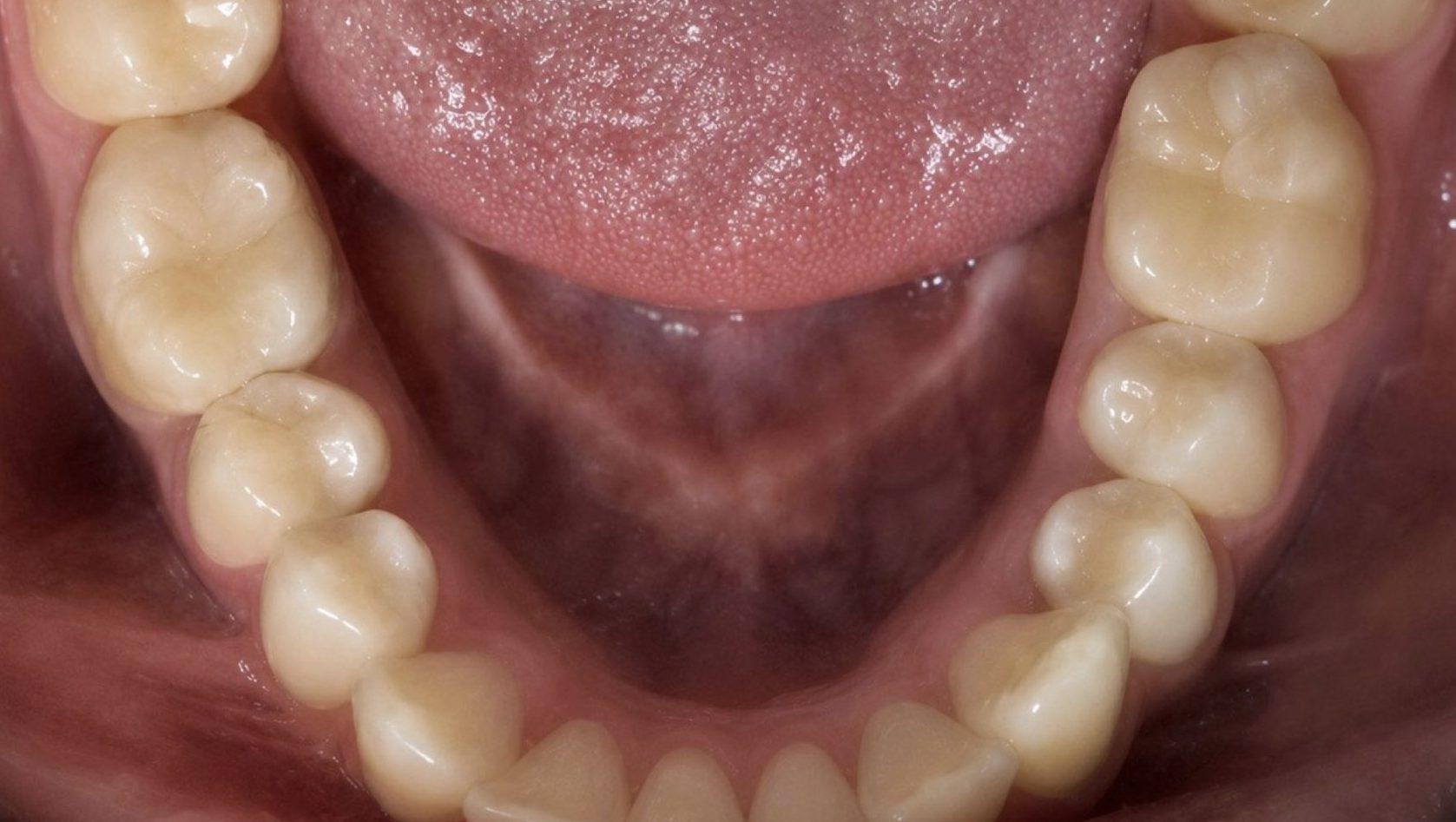 Before After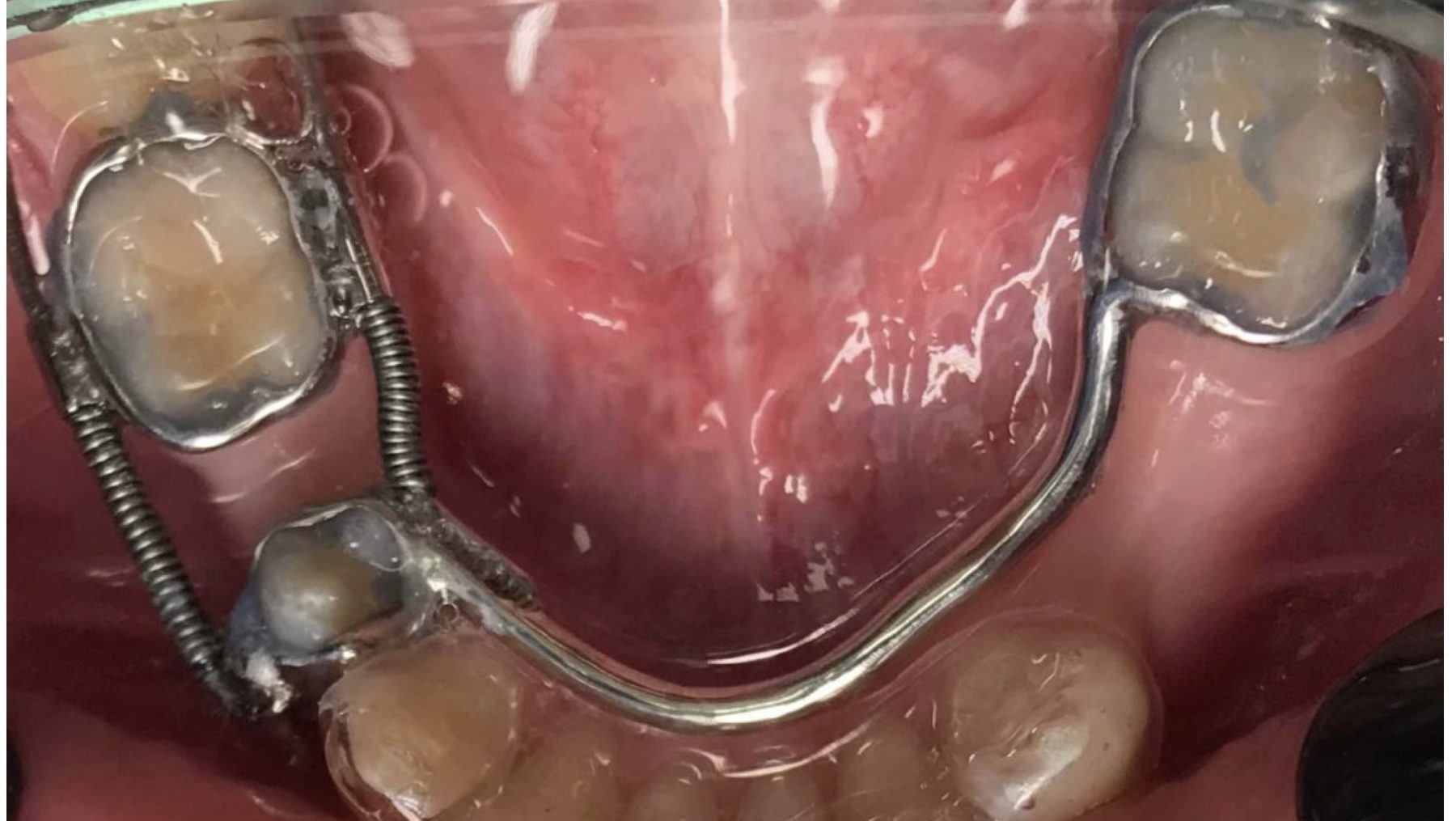
Creating space for the right premolar in the lower jaw
- Dentistry Darnytska Square (Darnytsia Shopping Center)
- Service Orthodontics
Lyubov OksanichOrthodontist
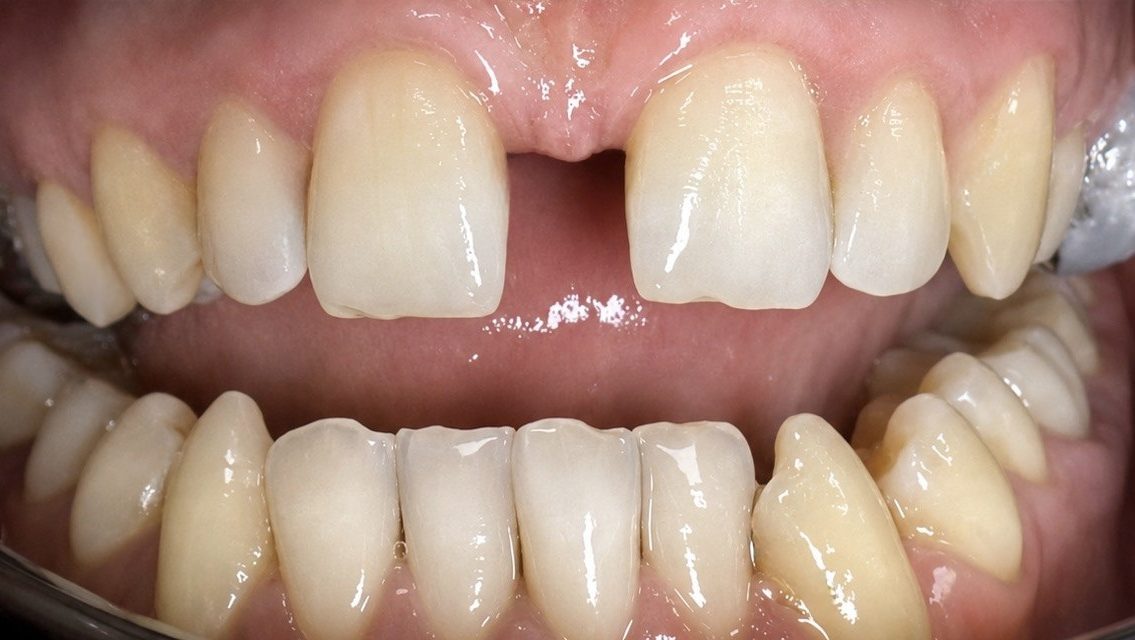 Before After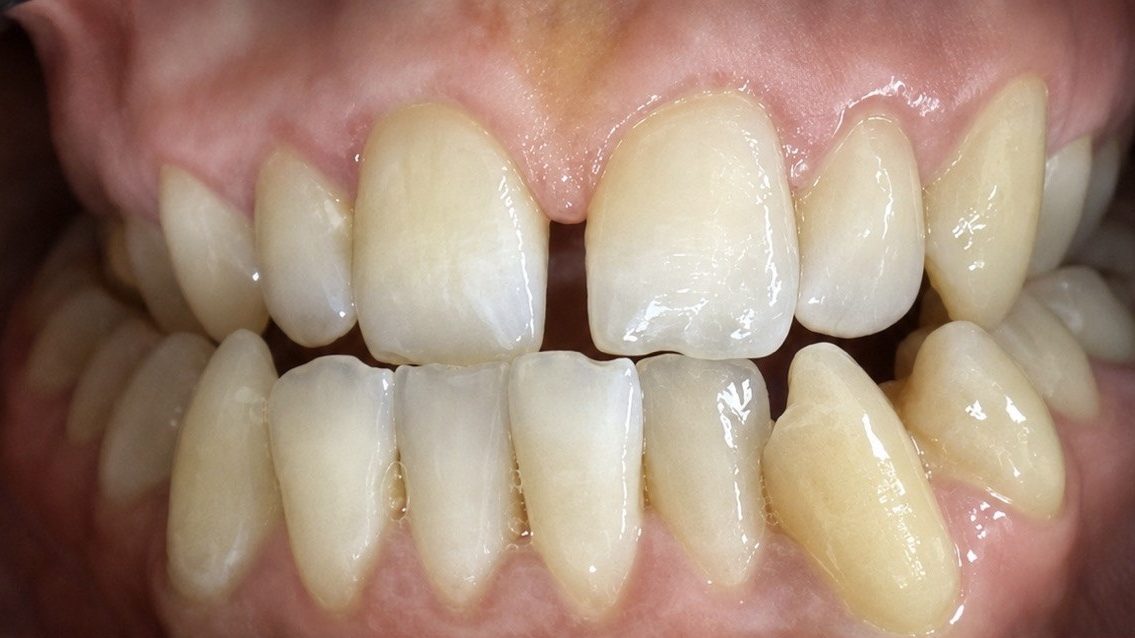
Skeletal expansion of the upper jaw
- Dentistry Darnytska Square (Darnytsia Shopping Center)
- Service Orthodontics
Lyubov OksanichOrthodontist
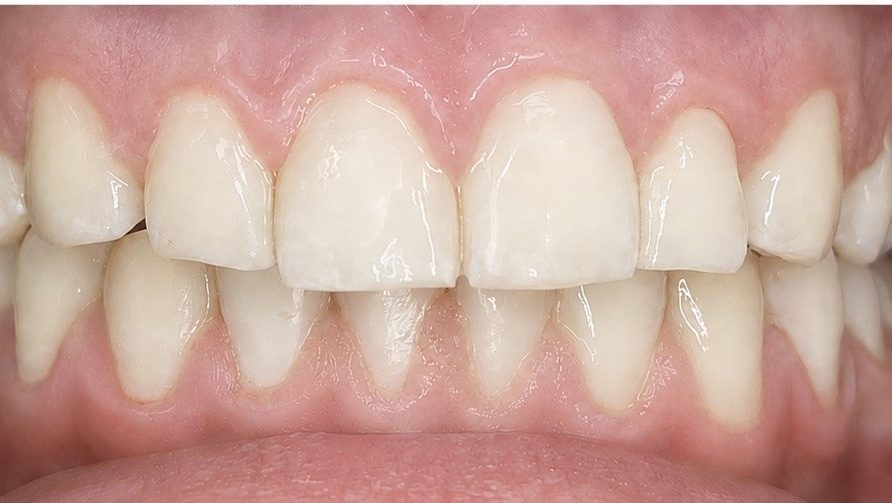 Before After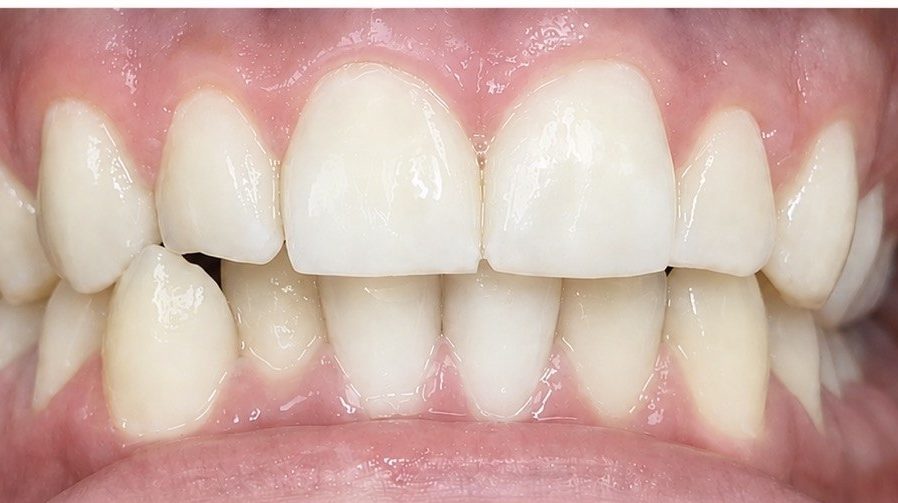
- Dentistry Darnytska Square (Darnytsia Shopping Center)
- Service Orthodontics
Lyubov OksanichOrthodontist
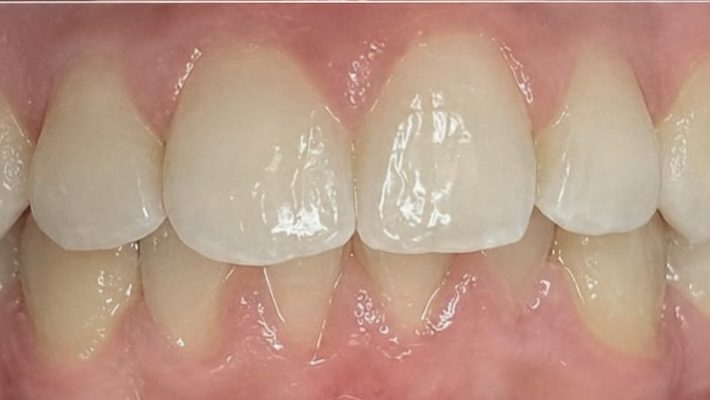 Before After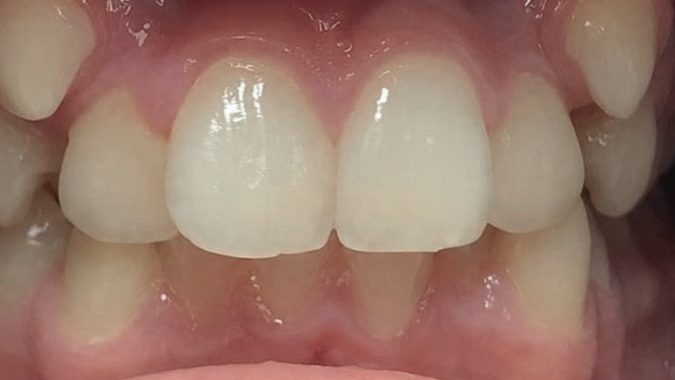
- Dentistry Darnytska Square (Darnytsia Shopping Center)
- Service Orthodontics
Lyubov OksanichOrthodontist
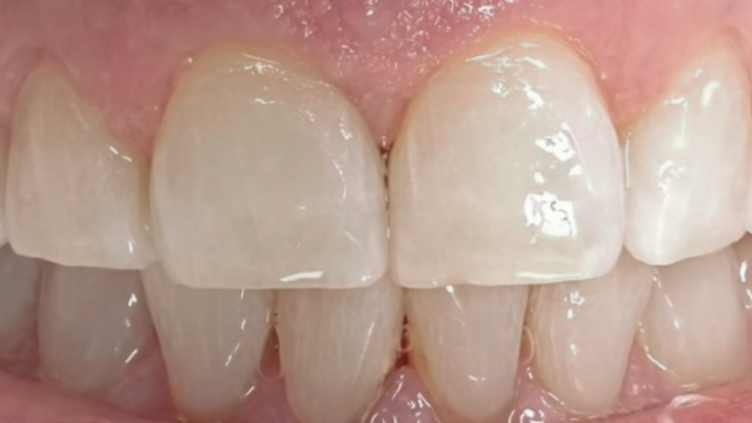 Before After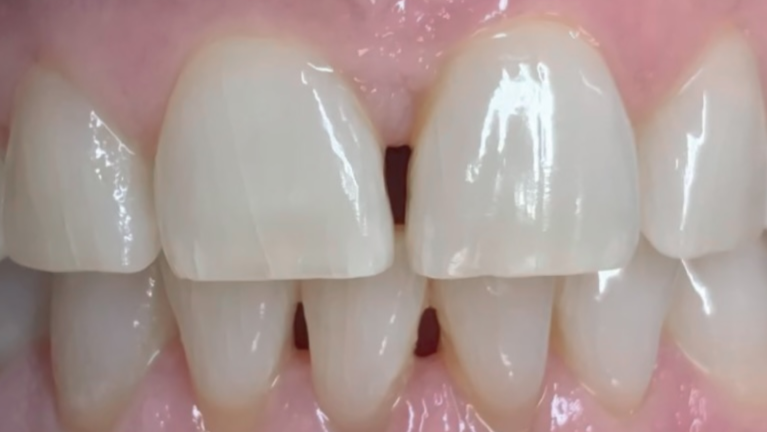
- Dentistry Darnytska Square (Darnytsia Shopping Center)
- Service Orthodontics
Lyubov OksanichOrthodontist
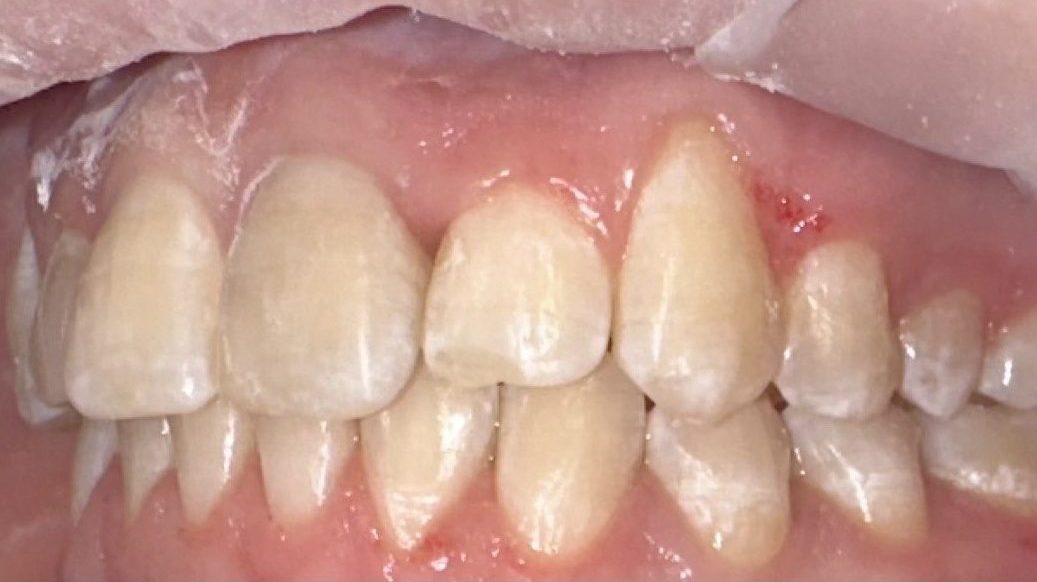 Before After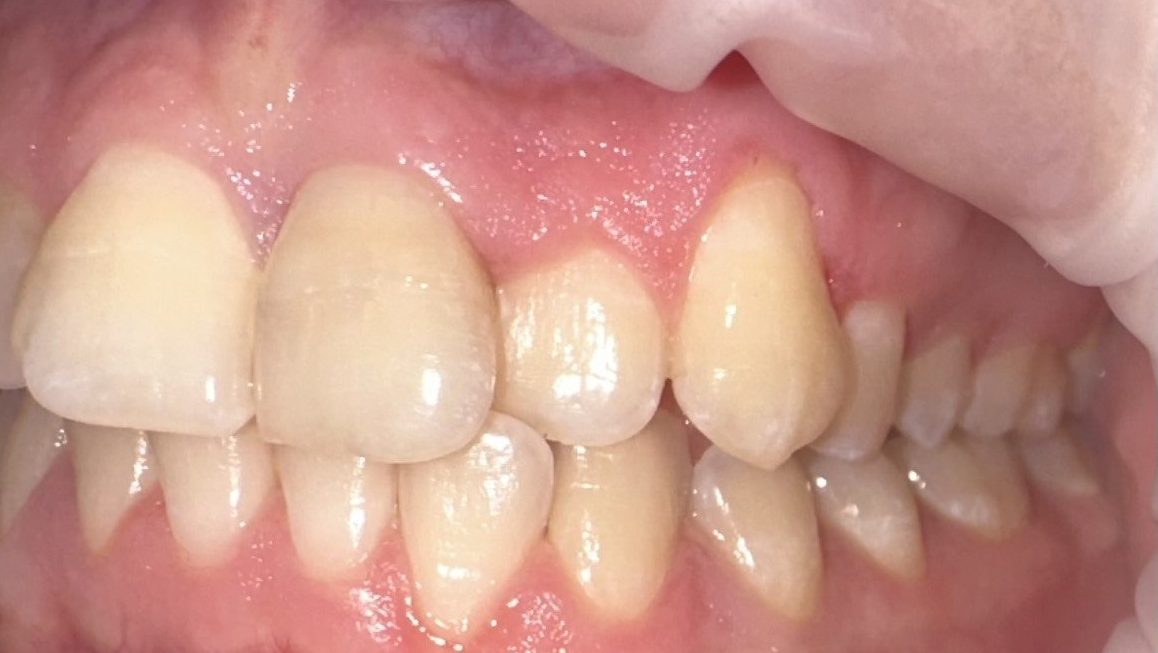
Orthodontic treatment with aligners
- Dentistry Opera
- Service Orthodontics
Roman VolovodovskyyOrthodontist
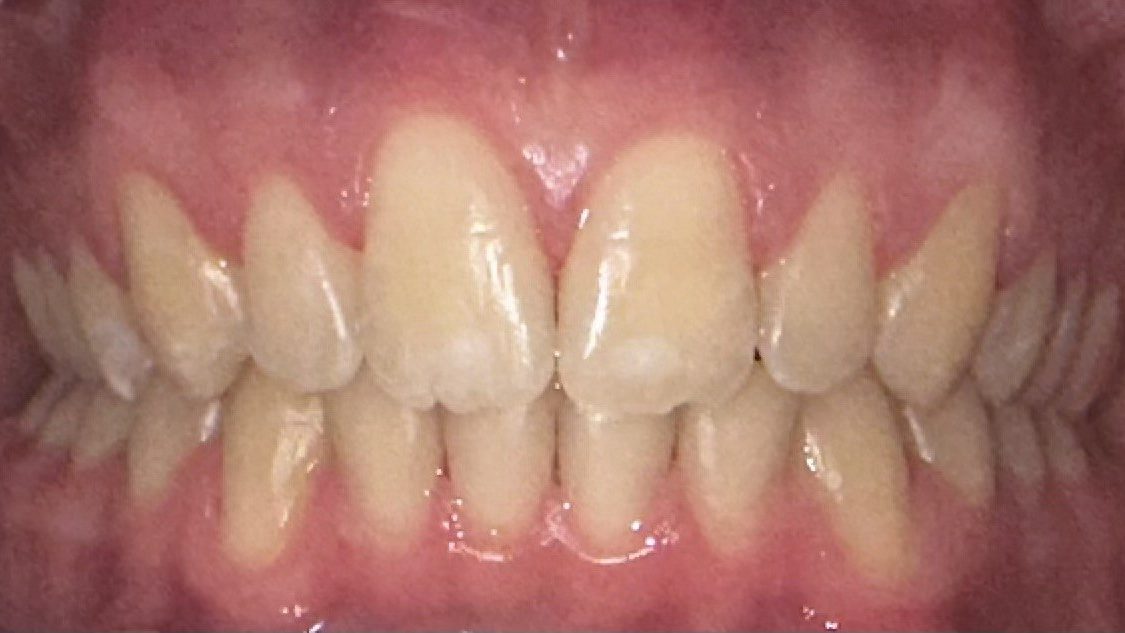 Before After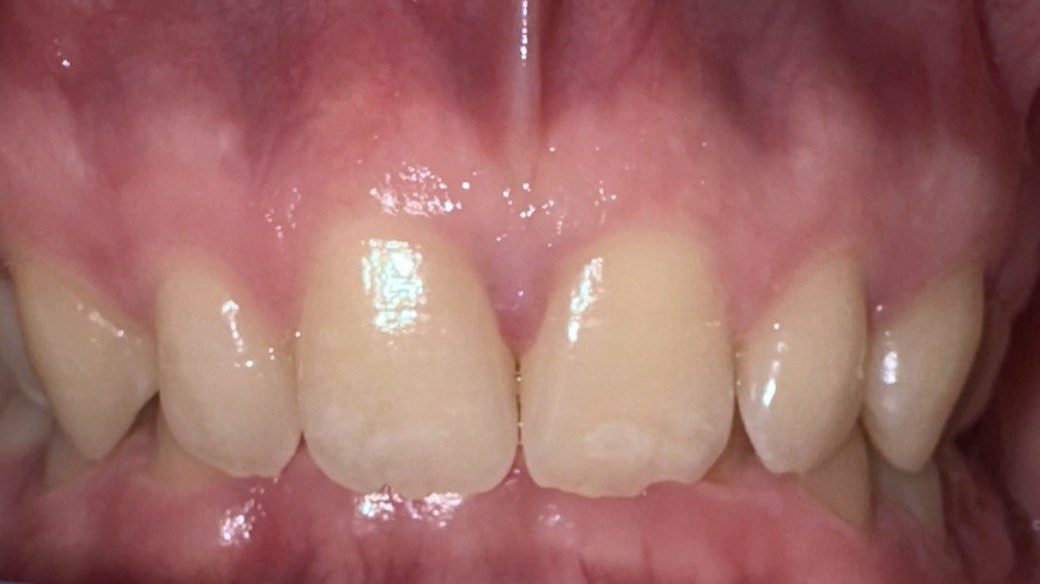
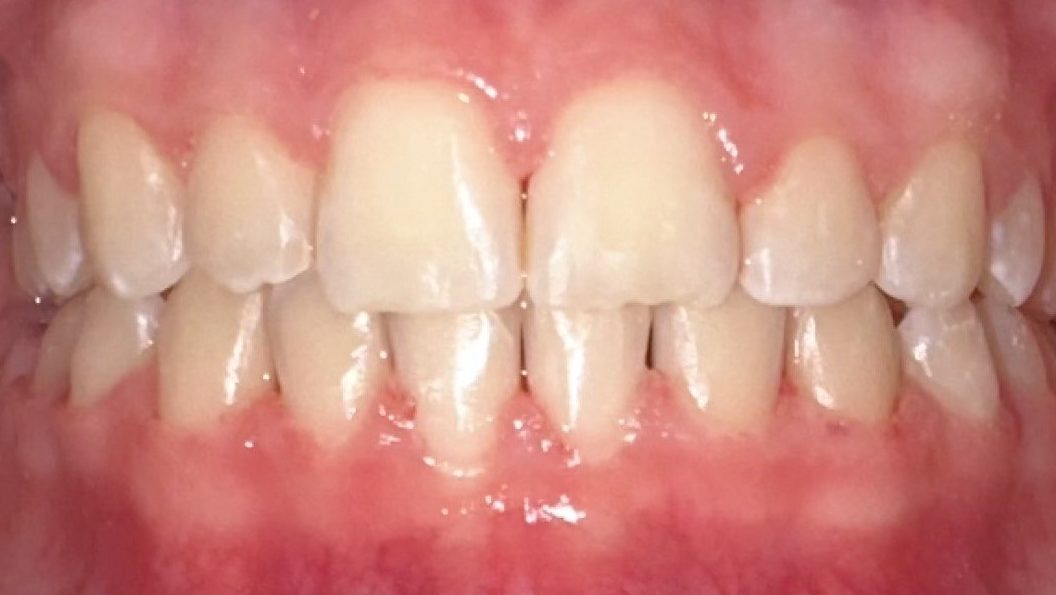 Before After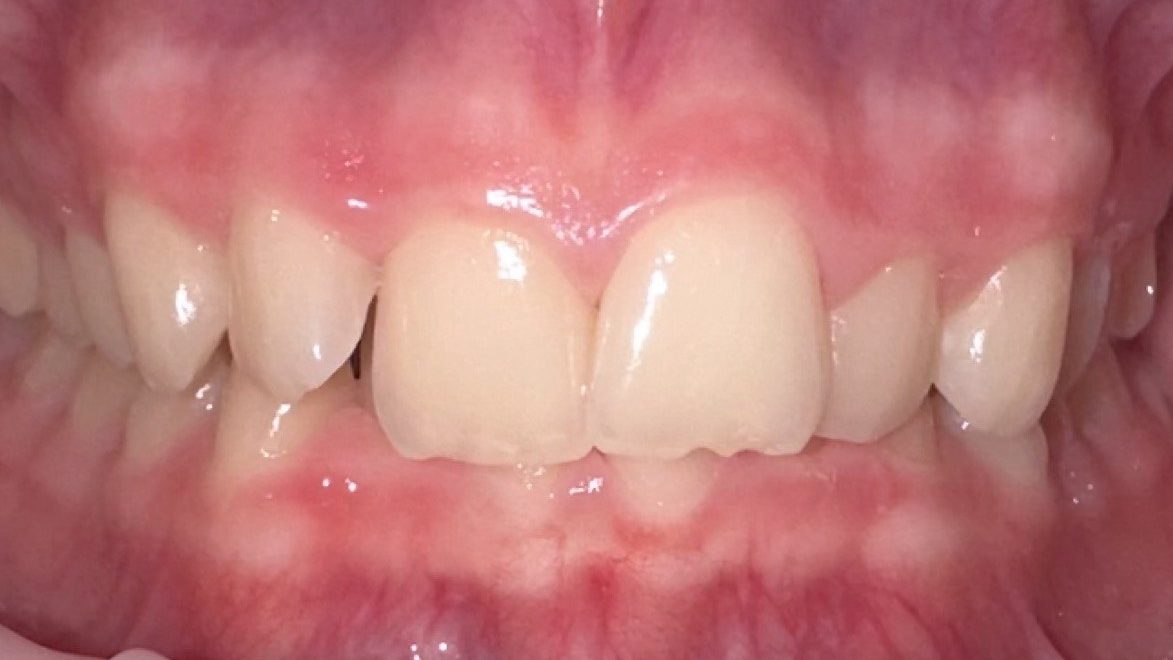
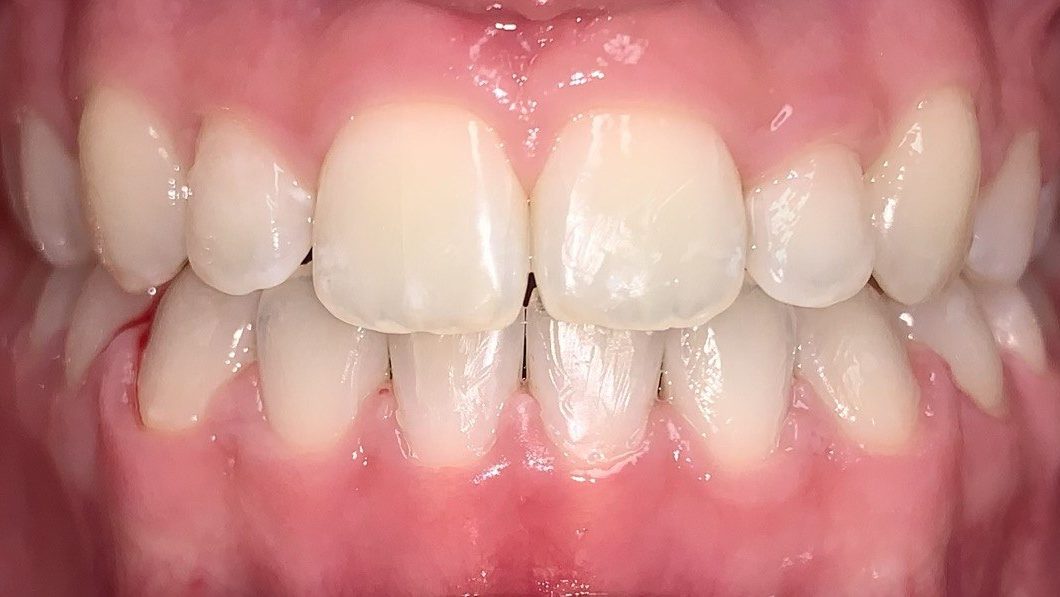 Before After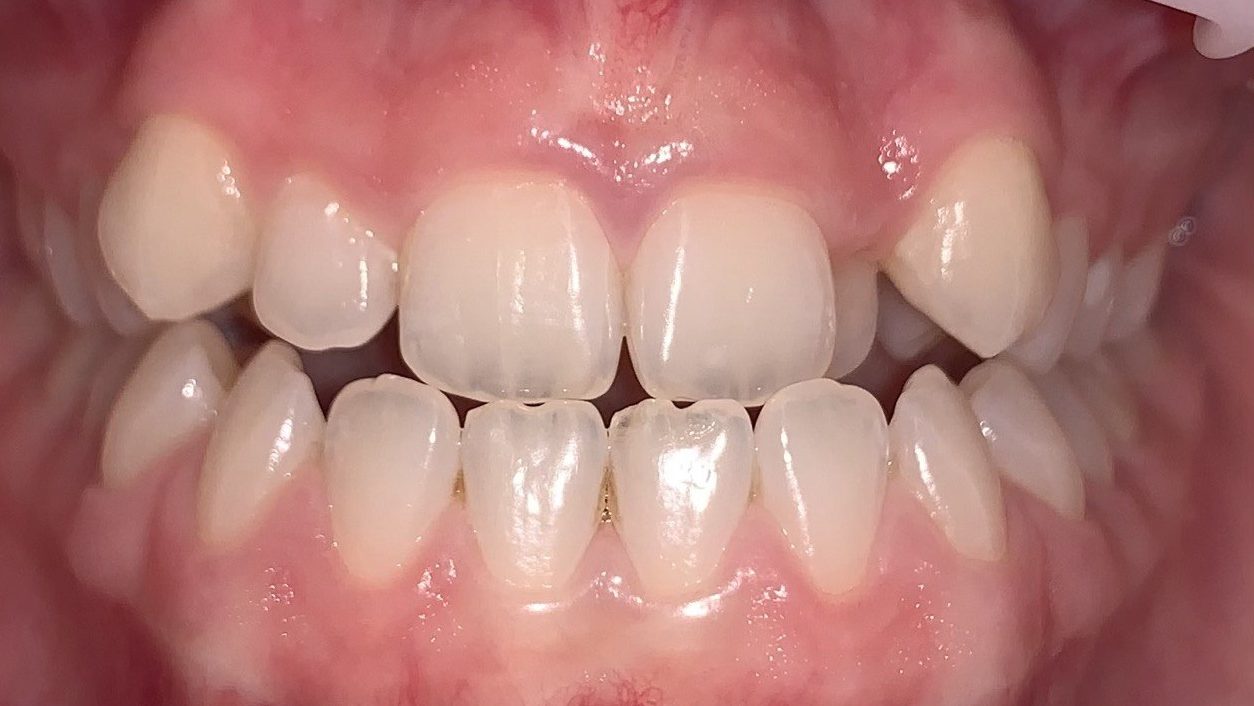
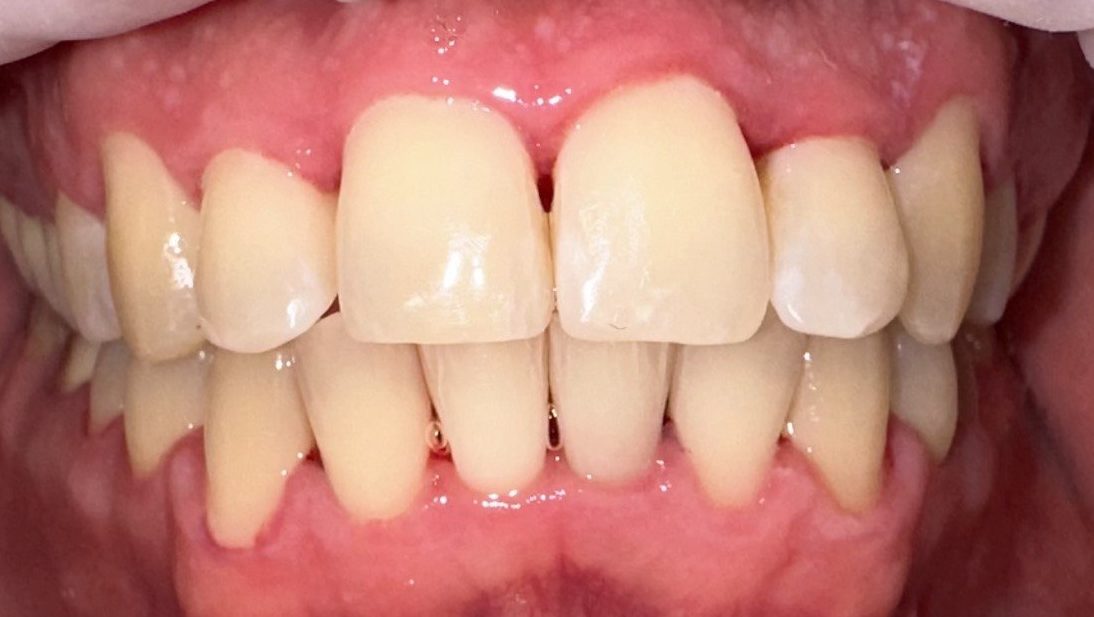 Before After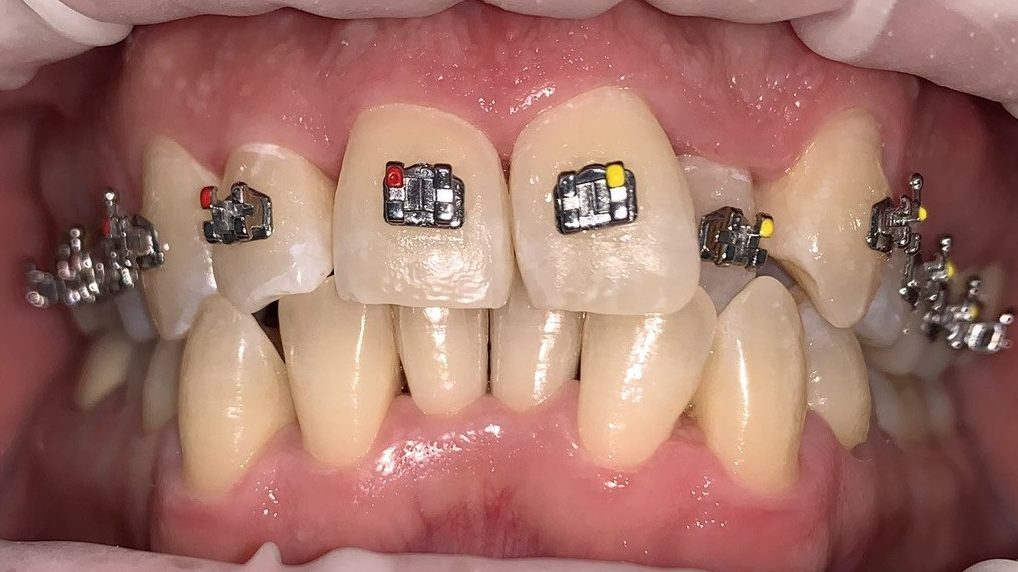
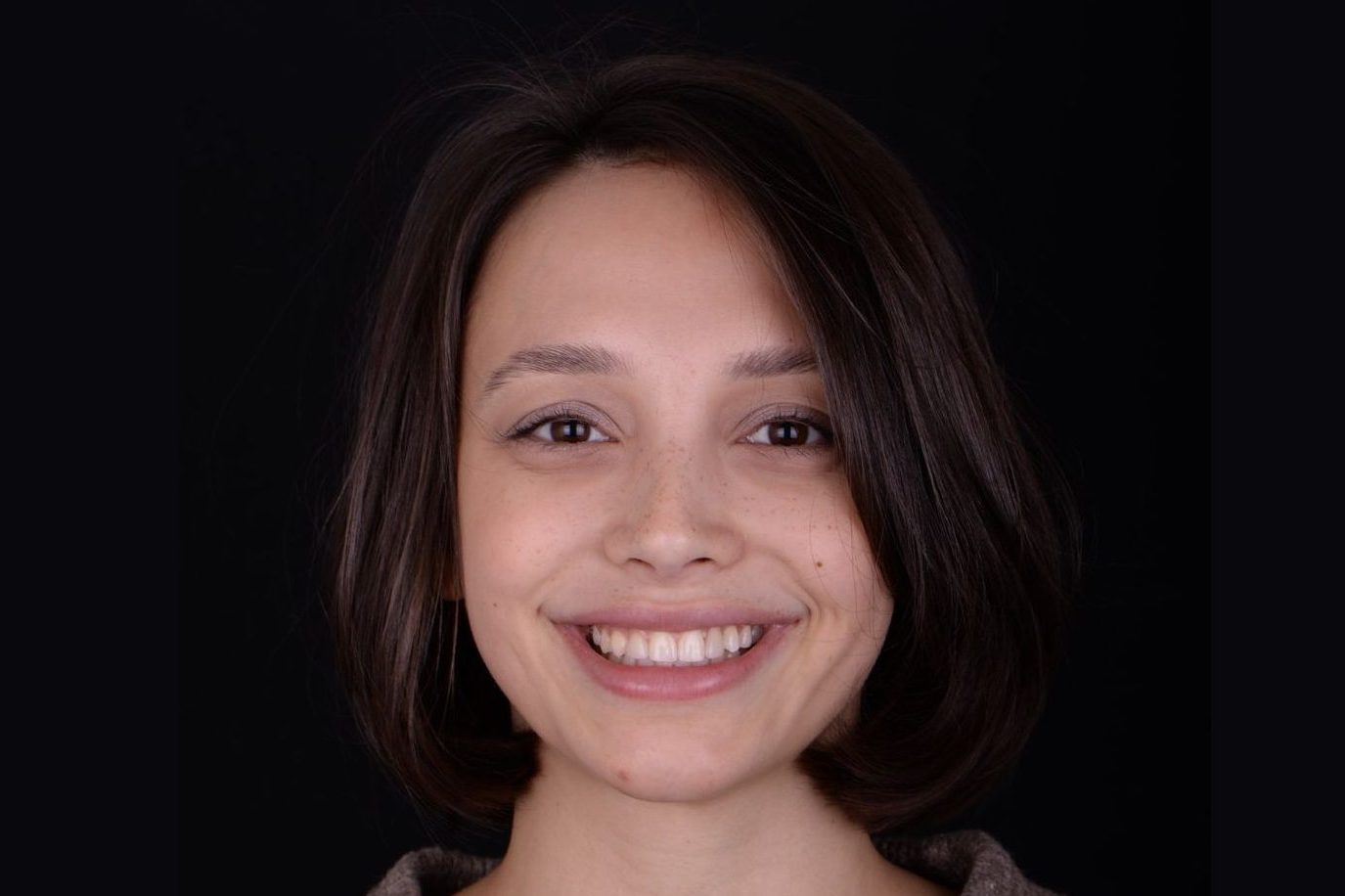 Before After
- Dentistry Velyka Vasylkivska (ex. Lva Tolstogo)
- Service Orthodontics
Roman AndriiashykOrthodontist
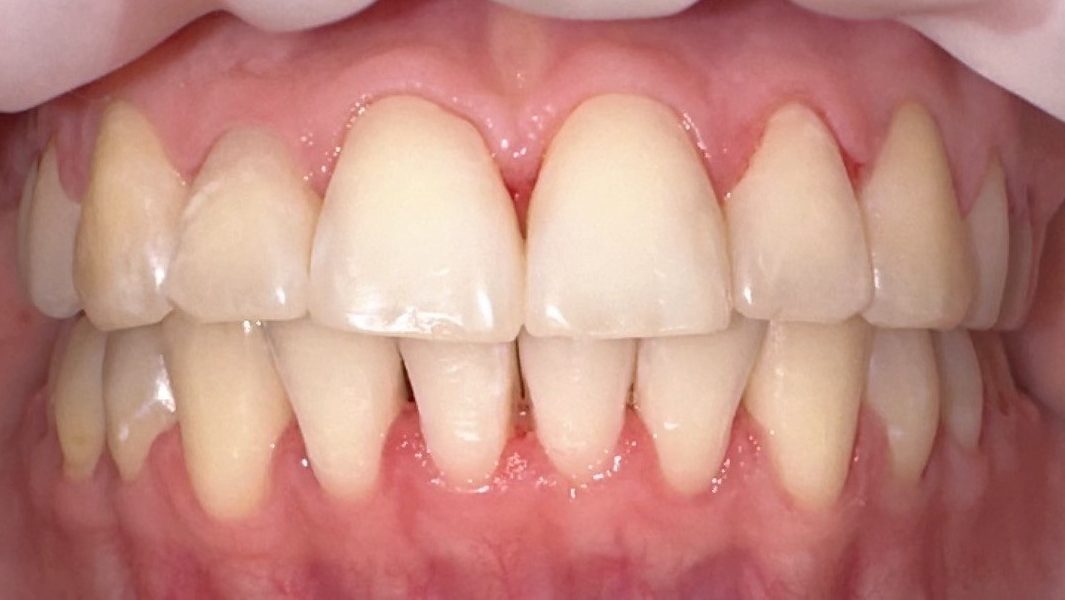 Before After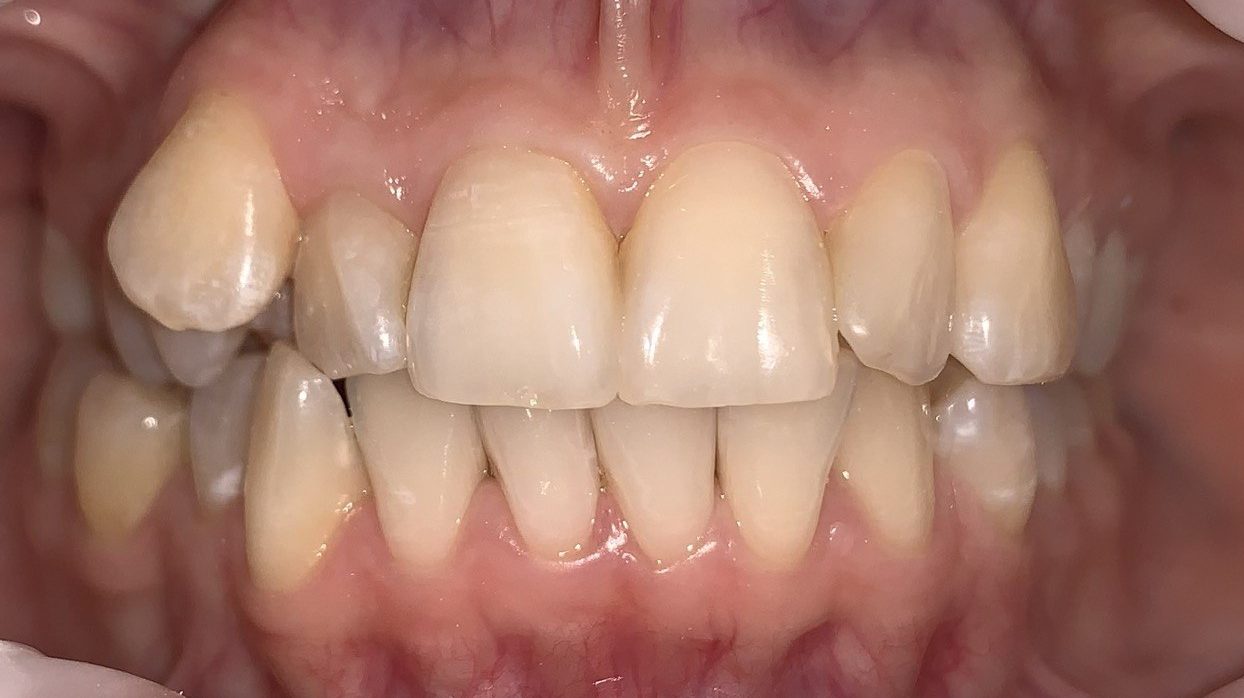
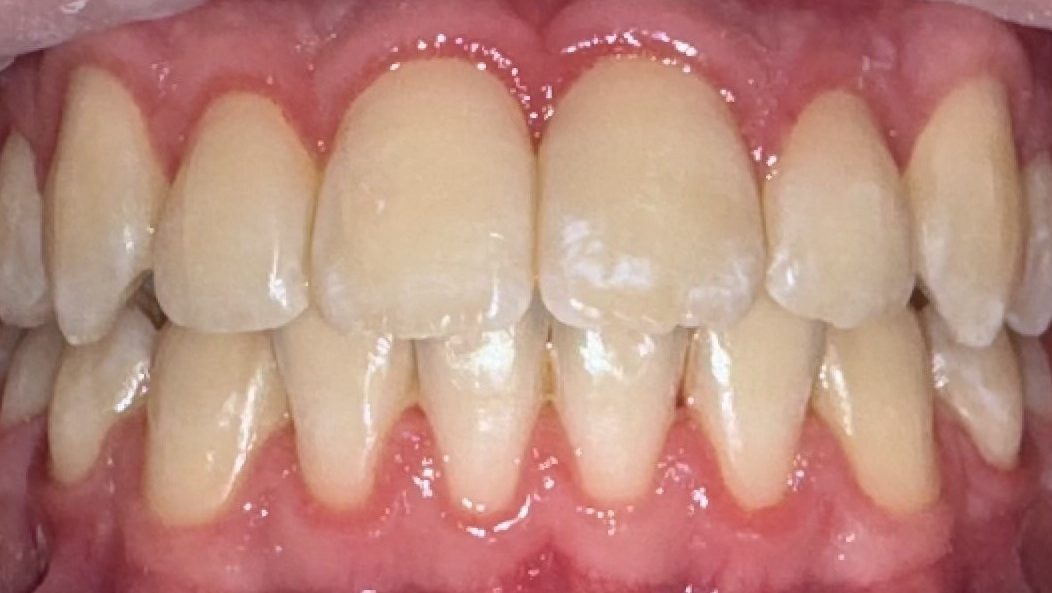 Before After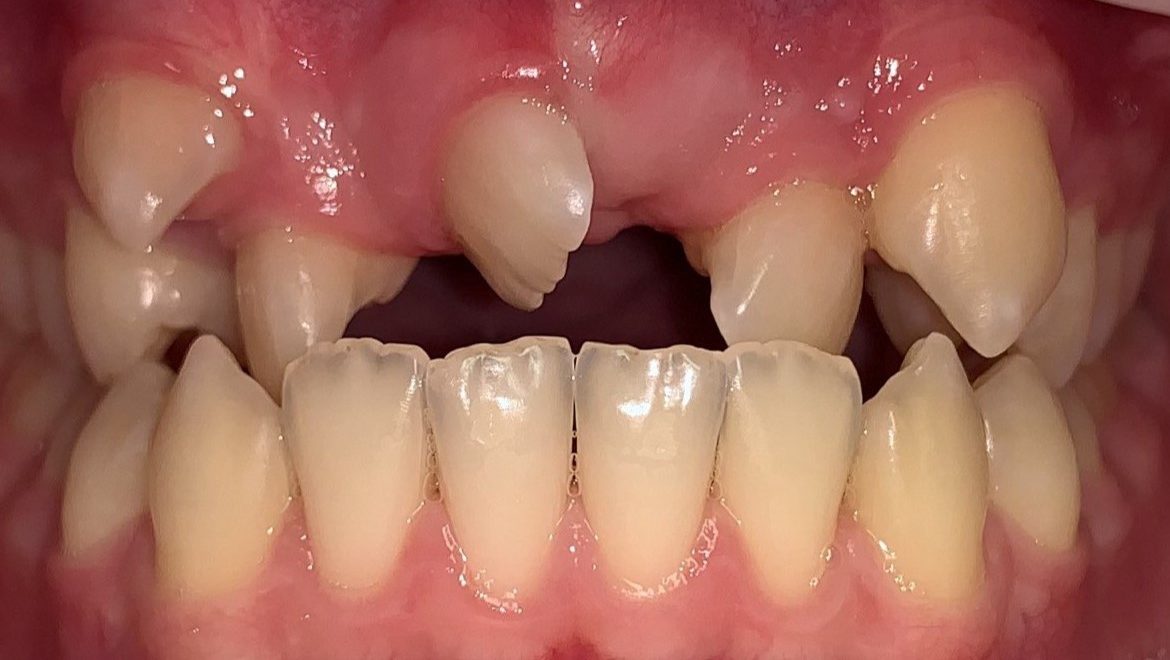
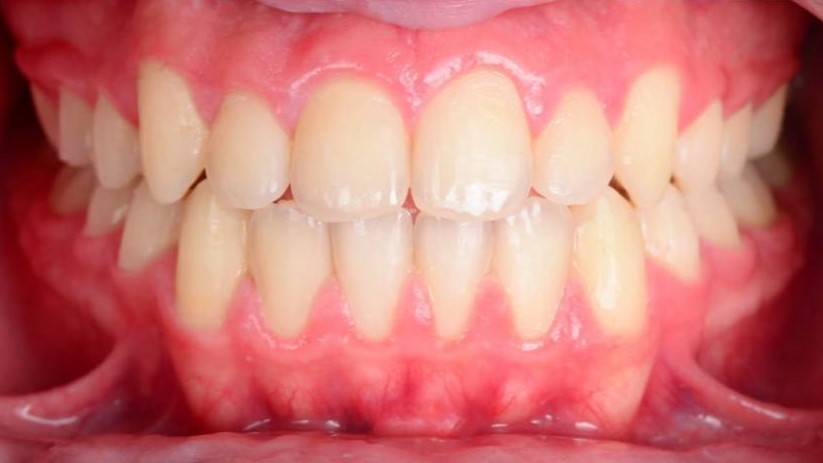 Before After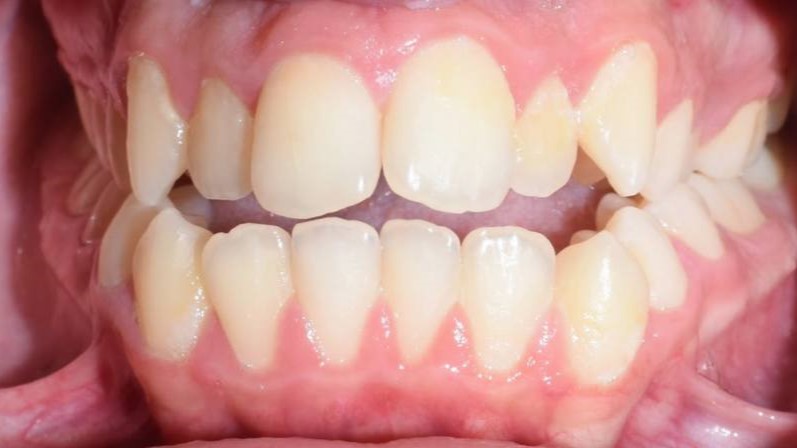
 Before After
Orthodontic treatment with braces
- Dentistry Darnytska Square (Darnytsia Shopping Center)
- Service Orthodontics
Oksana PalazyukOrthodontist
 Before After
Orthodontic treatment with aligners
- Dentistry Lukyanivska
- Service Orthodontics
Oksana PalazyukOrthodontist
 Before After
Skeletal expansion of the upper jaw
- Dentistry Lukyanivska
- Service Orthodontics
Oksana PalazyukOrthodontist
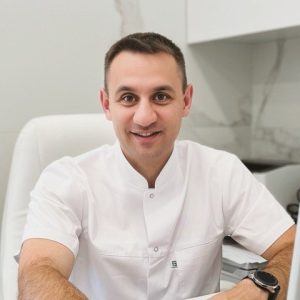 David Keian
Surgent, Surgent-implantologist
 Before After
- Dentistry Lukyanivska
- Service Orthodontics
Oksana PalazyukOrthodontist
 Valeriya Beyhul
Therapist, Hygienist, Periodontologist
 Before After
Orthodontic treatment with braces
- Dentistry Lukyanivska
- Service Orthodontics
Oksana PalazyukOrthodontist
Our branches
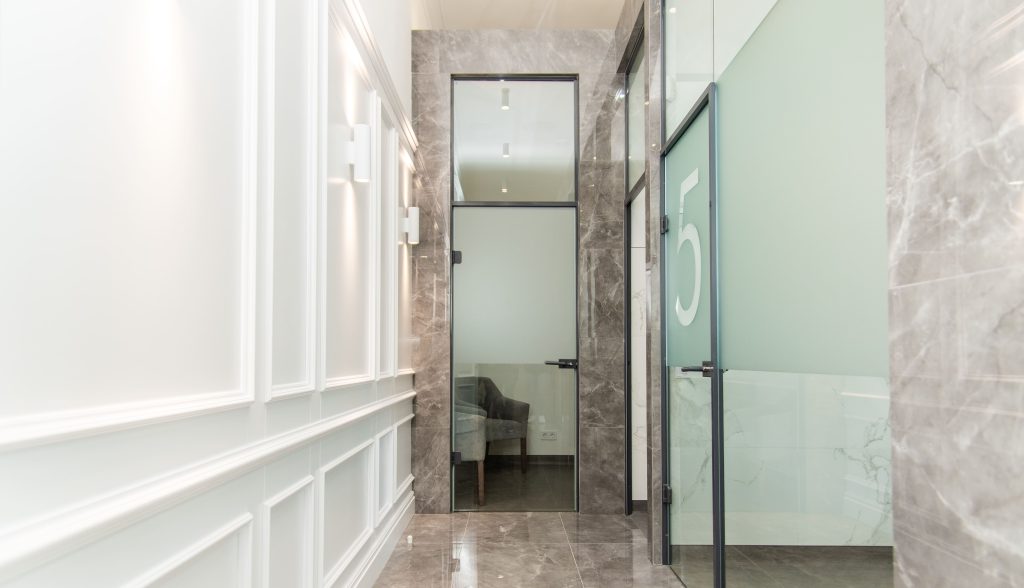
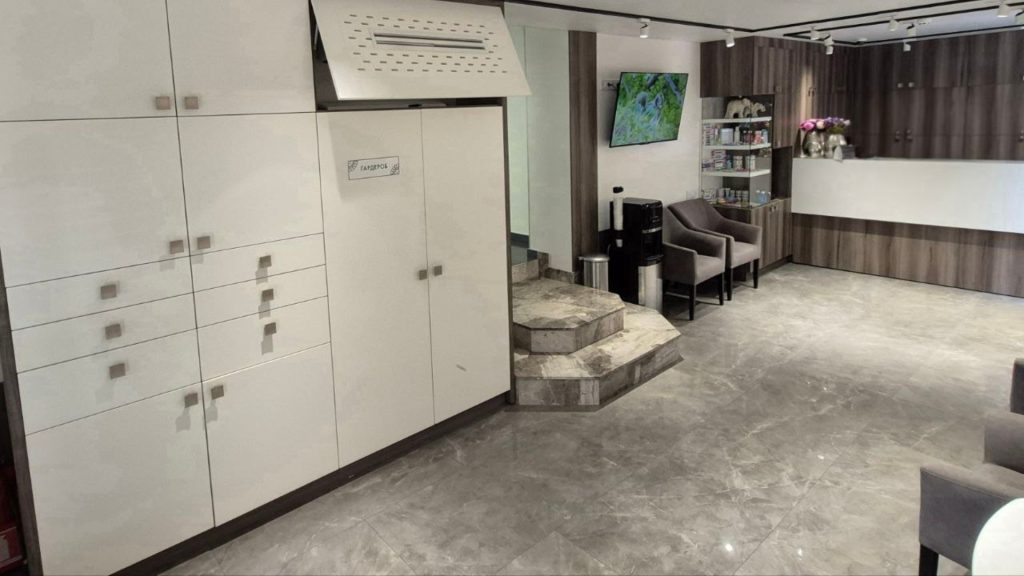
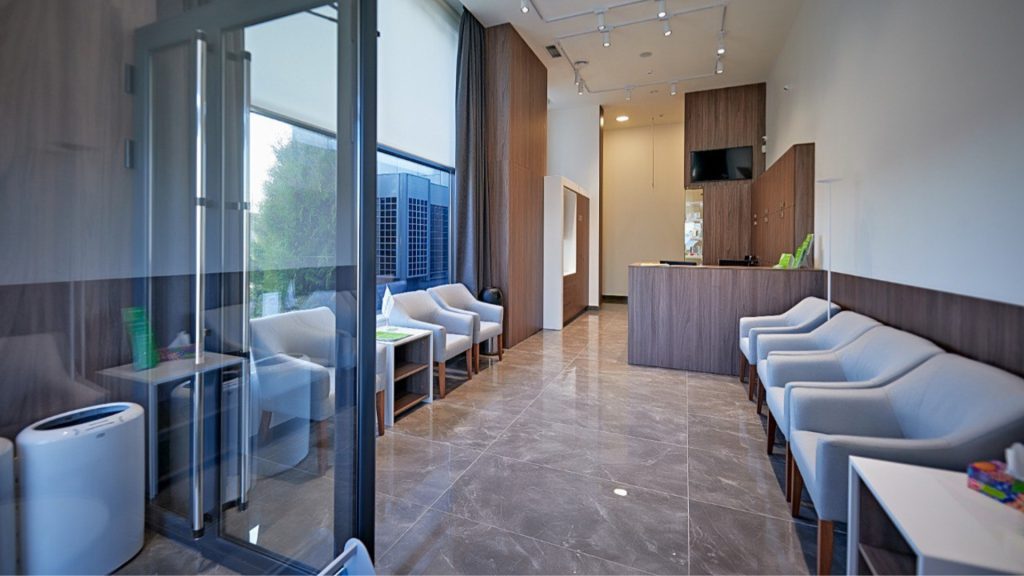
- Velyka Vasylkivska (ex. Lva Tolstogo)Inclusive
 +38(044)2223333
 25 Velyka Vasylkivska str.
MON - SUN: 9.00 - 21.00
-
Inclusive
-
Inclusive
-
Inclusive

-
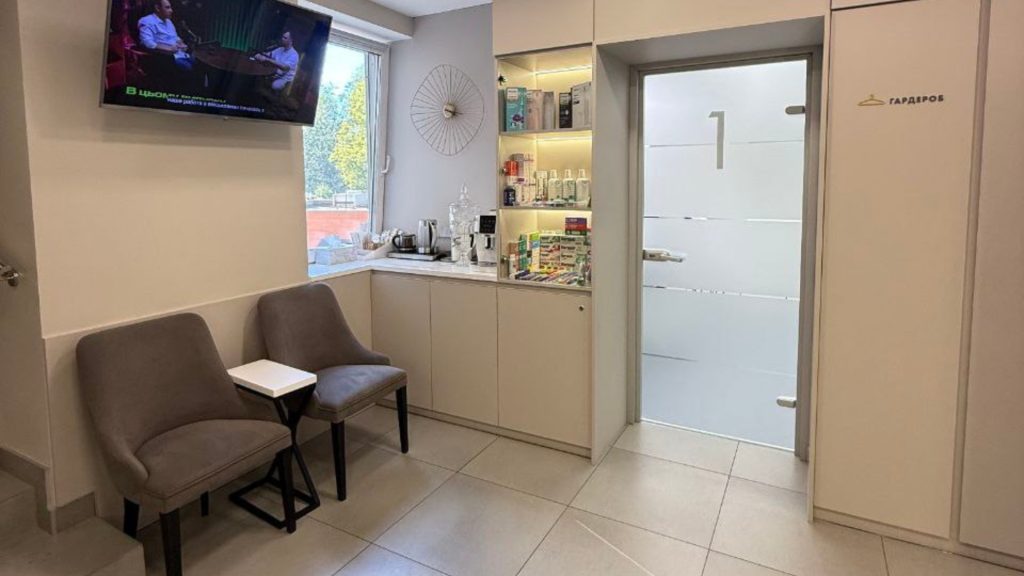
- Darnytsia Metro (DOMA Center shopping center)Inclusive
+38(044)2223333
40 Budivelnykiv Street
MON - SUN: 9.00 - 21.00

-
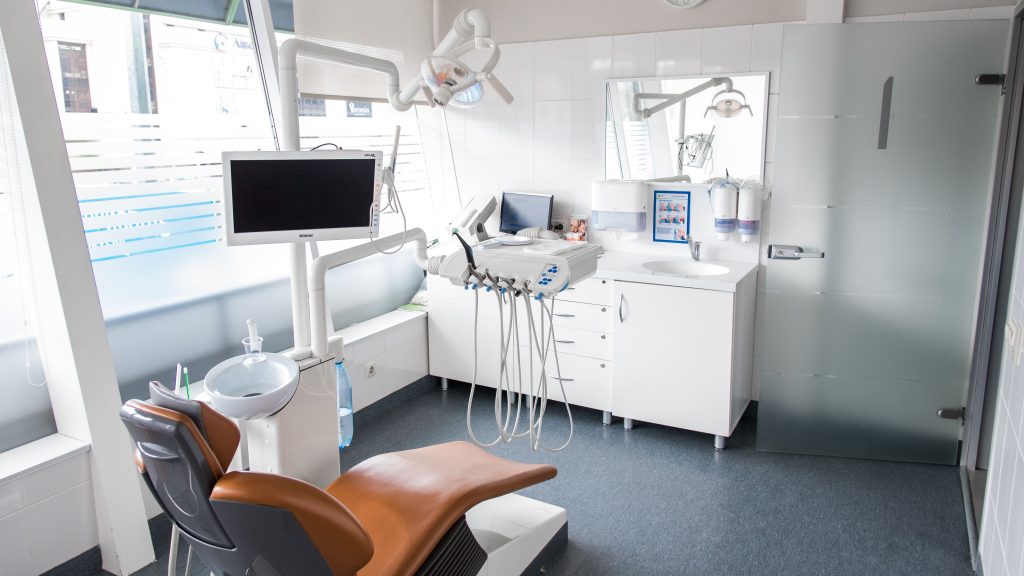
-
Inclusive
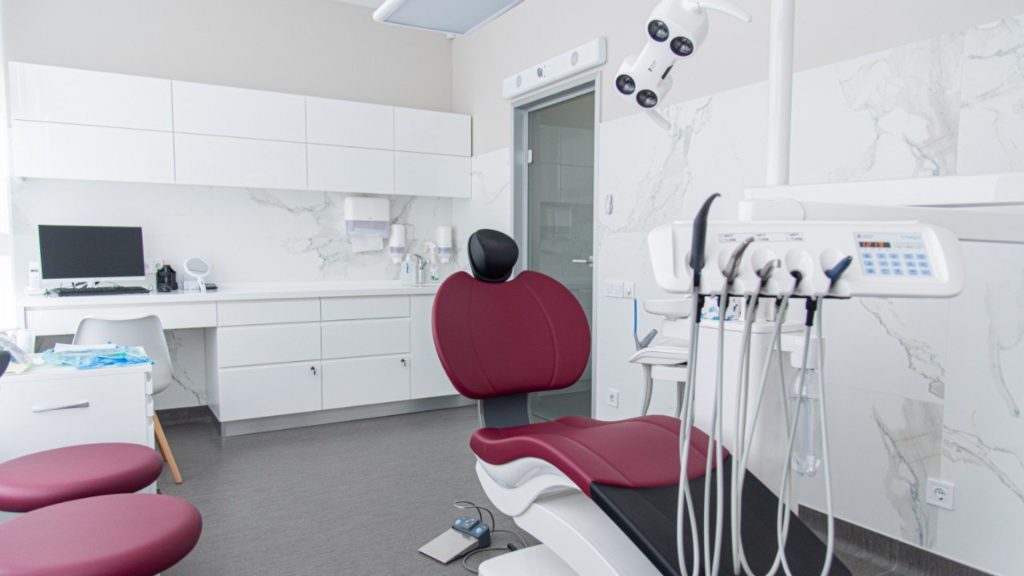
- ObolonInclusive
+380442223333
12-G, Vladimir Ivasyuk Avenue (Heroes of Stalingrad), Building 2
MON - SUN: 9.00 - 21.00
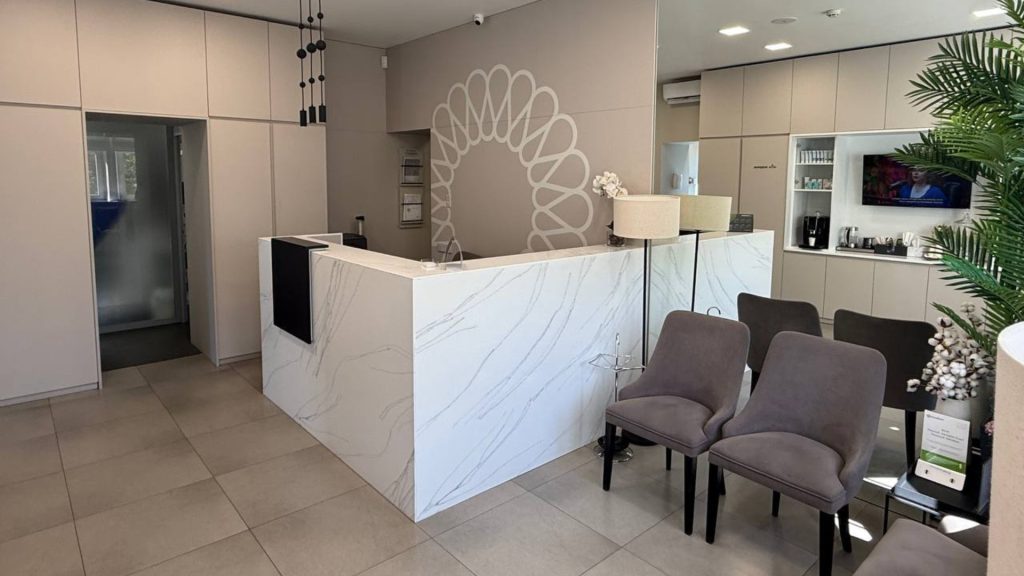
-
Inclusive

-
Inclusive

-
Inclusive
-
Inclusive
-
Inclusive
Astra Dent in Kyiv
What do orthodontic services include?

An orthodontist specializes in the diagnosis, prevention, and treatment of malocclusion and crowded teeth, as well as the correction of jaw alignment. Their services include the placement of braces, aligners, and retainers, as well as monitoring treatment progress and providing ongoing care until the final result is achieved.
What problems does an orthodontist treat?
An orthodontist helps with: malocclusion (crossbite, open bite, deep bite, etc.), crooked teeth, large gaps between teeth, jaw misalignment, and speech or breathing problems related to the bite.
What should you do before seeing an orthodontist?
Before your consultation, you should treat any cavities and gum inflammation and have a professional dental cleaning. This will allow the orthodontist to proceed directly to diagnosis and treatment planning.
What does an orthodontist do during the first appointment?
During the initial consultation, the orthodontist: examines your bite and teeth, takes a medical history, takes impressions (or scans) of your jaws, orders a CT scan or orthopantomogram, and draws up a preliminary treatment plan.
What kind of X-ray should you get before seeing an orthodontist?
The most informative is a CT scan (3D tomography). You may also need an orthopantomogram (panoramic X-ray) and a lateral cephalometric X-ray (TCG) of the skull.
What happens during your first visit to the orthodontist?
You come in for a consultation; the doctor assesses your situation, discusses treatment goals, takes photos, may order imaging tests, and schedules your next appointment — either to have braces fitted or to finalize the treatment plan.
What questions should you ask your orthodontist?
How long will treatment take? What are the options for correcting my bite in my case? Will I need to have teeth extracted or undergo other procedures? What will the result be — in terms of aesthetics and functionality? What are the alternatives to braces?
What happens during an orthodontic checkup?
During regular checkups, the orthodontist: monitors progress, adjusts the archwire or changes the elastics (for braces), takes photos or X-rays to track progress, and answers your questions.
What are an orthodontist’s responsibilities?
An orthodontist is responsible for accurately diagnosing bite problems, developing a personalized treatment plan, monitoring its progress, teaching the patient how to care for their orthodontic appliances, and ensuring a safe and effective outcome.
What can an orthodontist do that a dentist cannot?
An orthodontist is a dentist who has completed additional specialized training and focuses specifically on correcting bite issues. They do not treat cavities or pulpitis, but they know how to move teeth into the correct position without harming your health.
How can I tell if I have a bad orthodontist?
The following should raise red flags: the absence of a clear treatment plan, infrequent checkups and lack of follow-up, ignoring your complaints, teeth moving too quickly or painfully, and a lack of visible progress after months of treatment.
How does the face change after orthodontic treatment?
A proper bite improves the facial contour, chin, lip shape, and nasolabial folds. The face becomes more symmetrical and expressive, and the profile improves. This is especially noticeable in teenagers and young adults, but positive changes can also occur in adults.

Why 250,000+ patients choose Astra Dent
-

Everything your smile needs — in one place
From preventive care and cavity treatment to implants and aesthetic dentistry.
-

A team of 150+ experienced doctors
Continuously trained in Ukraine and internationally, working with world-class equipment.
-

Convenience for the whole family
We treat both adults and children across all districts of the capital.
Need a consultation?

Book a free consultation
Please submit your phone number, and we'll contact you to schedule a convenient time for your visit
Maryna
Coordinator
 info@astradent.ua
 Get a free consultation
-
 Open daily from 9 AM to 9 PM
 -
 No days off
 -
 Always powered