(044) 222 33 33


Milk tooth removal with pathological resorption
What Is Pathological Tooth Resorption in Children?
Pathological tooth resorption in children is a process of destruction of dental tissue that leads to tooth loss. This process may begin in the root part of the tooth and progress to the point where the tooth is completely destroyed and falls out.
Pathological tooth resorption in children may have several forms, including internal, external, and combined resorption. Internal resorption begins inside the tooth and may spread to the root structure, whereas external resorption begins on the surface of the tooth and spreads inward.
This process may be caused by various factors, including dental trauma, gum diseases, impaired blood supply to the tooth, chronic inflammation, developmental abnormalities of the teeth, or immune system disorders. Although pathological tooth resorption in children is not common, it can lead to serious health problems if not detected and treated in time.
Why Do Astra Dent Doctors Recommend Removing a Baby Tooth?
Doctors may recommend removing a baby tooth for several reasons:
- caries: baby teeth, like permanent teeth, are susceptible to caries. If caries remains unnoticed and untreated, it can lead to infection and gum inflammation, which may affect dental health and the child’s overall health;
- misalignment of teeth: if baby teeth are not removed in time, they may interfere with the growth of permanent teeth. This can lead to improper tooth positioning, which may affect alignment and the appearance of the smile;
- gum problems: baby teeth may be associated with gum problems such as inflammation or abscesses. This can lead to discomfort and pain, as well as tooth loss;
- preparation for treatment: sometimes teeth are removed to prepare the oral cavity for treatment, for example, before placing orthodontic braces;
- medical indications: in certain cases, baby teeth may have medical indications for removal, for example, if they cause pain or unusual changes in tooth tissue.
In any case, the decision whether a baby tooth should be removed must be made by a doctor based on the individual characteristics of the patient and the condition of the teeth.
How Is Tooth Extraction Performed in the Astra Dent Dental Network?
Baby tooth extraction is performed in the dentist’s office. The procedure usually does not take much time and is not painful, since local anesthesia is typically administered before the tooth is removed.
The baby tooth extraction procedure may include the following steps:
- tooth examination: the dentist first examines the tooth and surrounding tissues to determine its condition and ensure that it can be safely removed;
- anesthesia: before removing the tooth, the dentist administers a local anesthetic to reduce pain and make the procedure more comfortable for the patient;
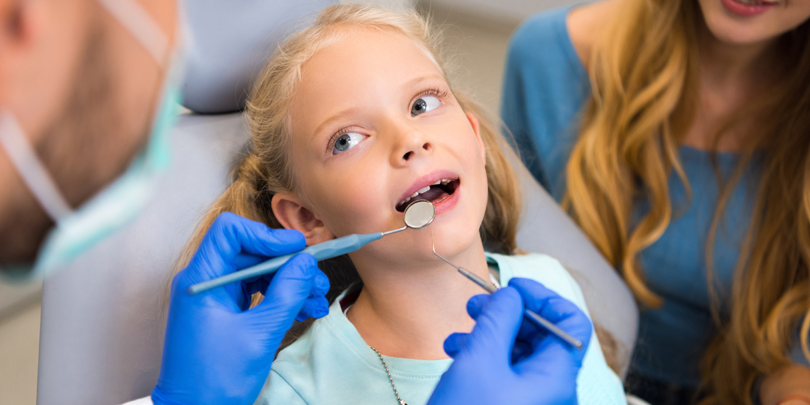
- tooth removal: using instruments, the dentist gently separates the tooth from the surrounding tissues and removes it. If the tooth has a large root, some effort may be required for its removal;
- after removal, the dentist may rinse the wound with saline solution or an antiseptic to prevent infection;
- bleeding control: if slight bleeding occurs, the dentist may use a cotton swab to stop the bleeding;
- care instructions: the dentist will provide the patient with instructions on wound care and care of the remaining teeth.
After baby tooth extraction, some unpleasant sensations such as mild pain or discomfort may occur. These symptoms may be relieved by applying cold compresses, eating soft foods, and avoiding chewing on the side where the tooth was removed. In case of more severe pain or bleeding, it is necessary to consult a dentist for additional advice.
Recommendations of Astra Dent Pediatric Doctors After Baby Tooth Extraction
After baby tooth extraction, doctors may provide the following recommendations:
- make sure the child eats carefully: during the first few hours after tooth removal, hard, sticky, and tough foods should be avoided. It is recommended to give the child soft foods that are easy to digest, such as liquid porridge, soups, yogurt, mashed foods, etc.;
- ensure proper wound care: to prevent possible infections, after tooth removal the child should rinse the mouth several times a day with warm salt water. A soft toothbrush may also be used to clean the tooth gap;
- avoid strain: during the first 24 hours after tooth removal, the child should avoid physical exercise and other activities that may cause strain in the wound area;
- apply cold compresses: if the child experiences discomfort or pain, a cold compress may be used to relieve it;
- if the doctor prescribed medications after tooth removal, they must be taken according to the instructions;
- visit the dentist regularly: after tooth removal, the child should visit the dentist on a regular basis to monitor wound healing and the overall condition of the teeth and oral cavity;
- usually, after baby tooth extraction, children recover quickly and return to their normal life. If the child experiences problems related to tooth removal, a specialist should be consulted.
Promotional offers
all



 24 years of experience
 6 reviews
Pediatric Dentist
 3 years of experience
1 review
3 years of experience
1 reviewOrthodontist
 2 reviews
Therapist, Pediatric Dentist
 18 years of experience
14 reviews
18 years of experience
14 reviewsTherapist, Pediatric Dentist
 18 years of experience
1 review
18 years of experience
1 reviewOrthodontist
 30 years of experience
5 reviews
30 years of experience
5 reviewsTherapist, Orthopedist, Pediatric Dentist
 9 years of experience
5 reviews
9 years of experience
5 reviewsTherapist, Hygienist, Pediatric Dentist
 19 years of experience
18 reviews
19 years of experience
18 reviewsPediatric Dentist, Therapist, Hygienist
 7 years of experience
7 reviews
7 years of experience
7 reviewsOrthodontist
 10 years of experience
13 reviews
10 years of experience
13 reviewsTherapist, Pediatric Dentist, Hygienist
 3 years of experience
5 reviews
3 years of experience
5 reviewsHygienist, Therapist, Pediatric Dentist
 15 years of experience
3 reviews
15 years of experience
3 reviewsOrthodontist
 9 years of experience
Orthodontist
 12 years of experience
26 reviews
12 years of experience
26 reviewsTherapist, Hygienist, Pediatric Dentist, Periodontologist
 9 years of experience
14 reviews
9 years of experience
14 reviewsPediatric Dentist, Therapist, Hygienist
-
4 years of experience
Orthodontist
 4 years of experience
2 reviews
4 years of experience
2 reviewsTherapist, Pediatric Dentist
 20 years of experience
12 reviews
20 years of experience
12 reviewsTherapist, Pediatric Dentist, Periodontologist, Orthopedist
Astra Dent work cases
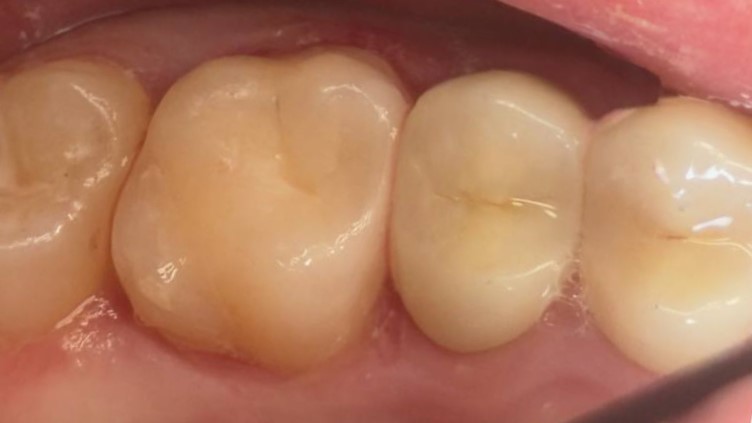 Before After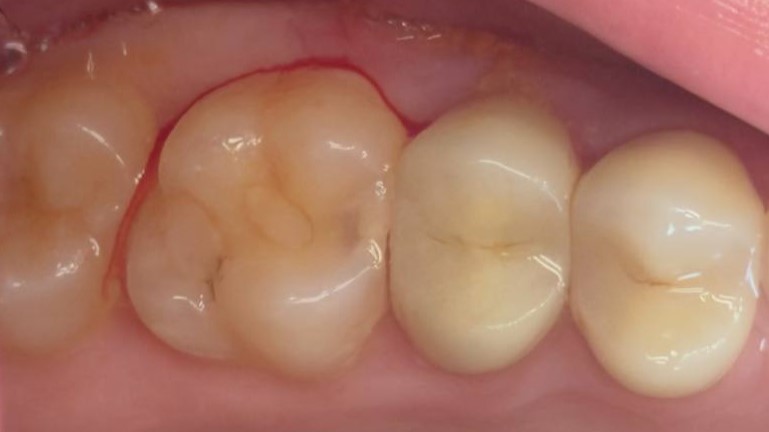
Treatment of tooth decay, children
- Dentistry Solomianka
- Service Pediatric dentistry
Bogdana NersesyanTherapist, Pediatric Dentist, Hygienist
Our branches
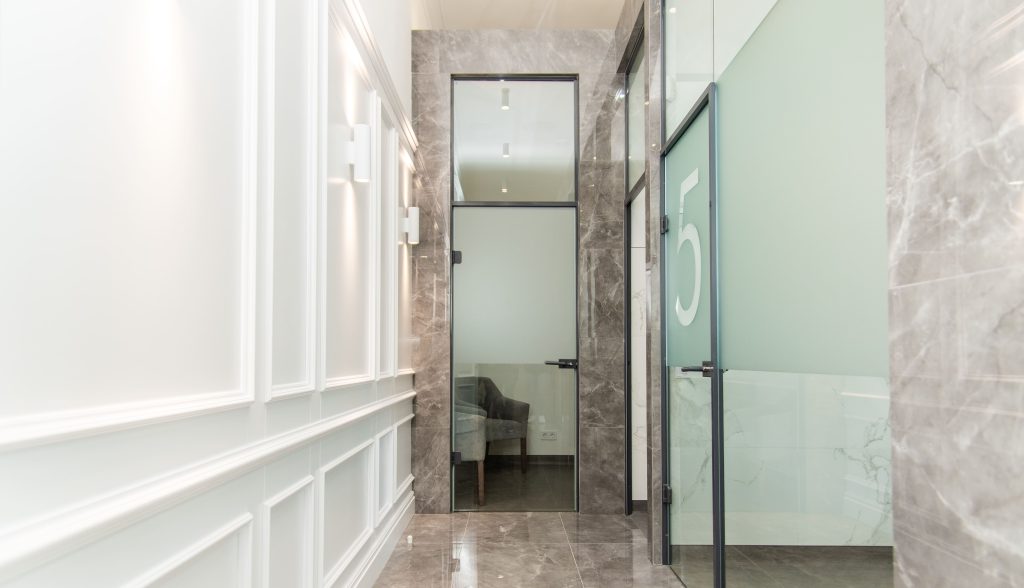
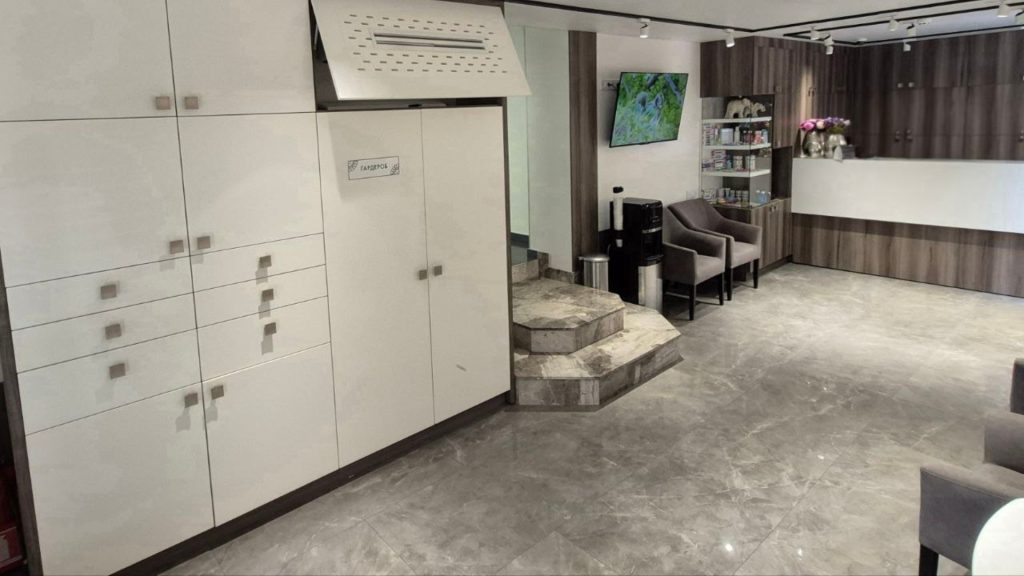
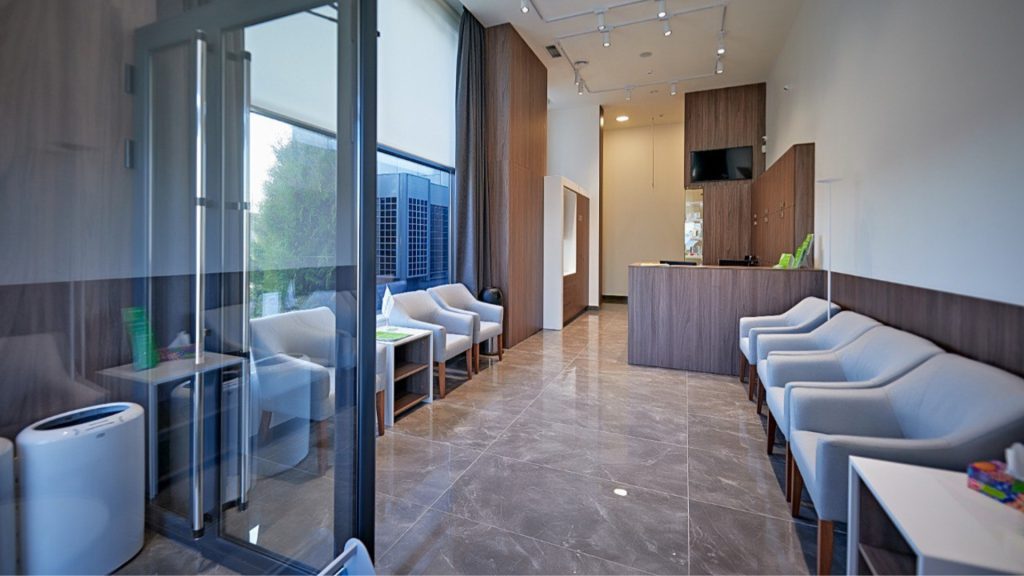
- Velyka Vasylkivska (ex. Lva Tolstogo)Inclusive
 +38(044)2223333
 25 Velyka Vasylkivska str.
MON - SUN: 9.00 - 21.00
-
Inclusive
-
Inclusive
-
Inclusive

-
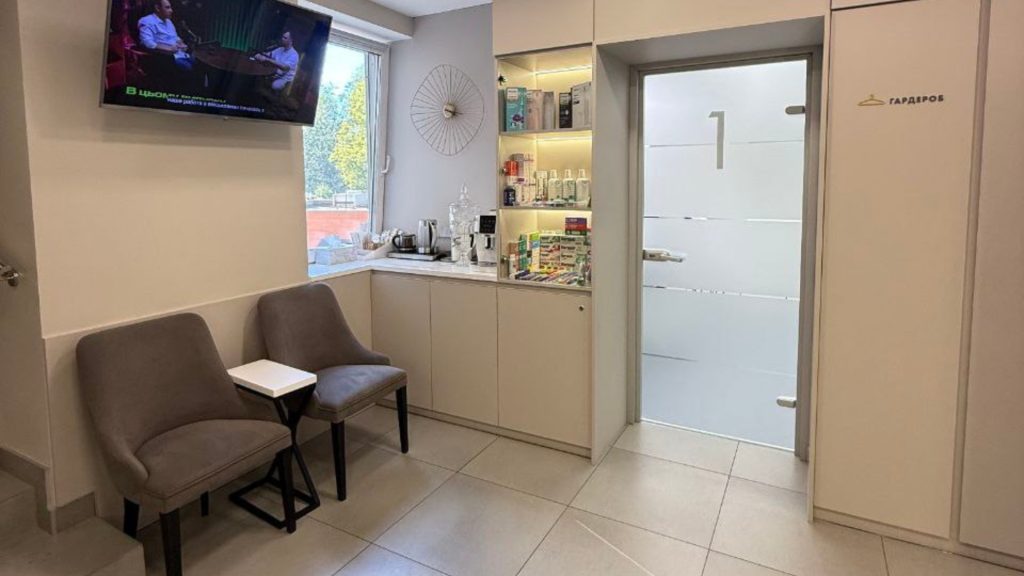
- Darnytsia Metro (DOMA Center shopping center)Inclusive
+38(044)2223333
40 Budivelnykiv Street
MON - SUN: 9.00 - 21.00

-
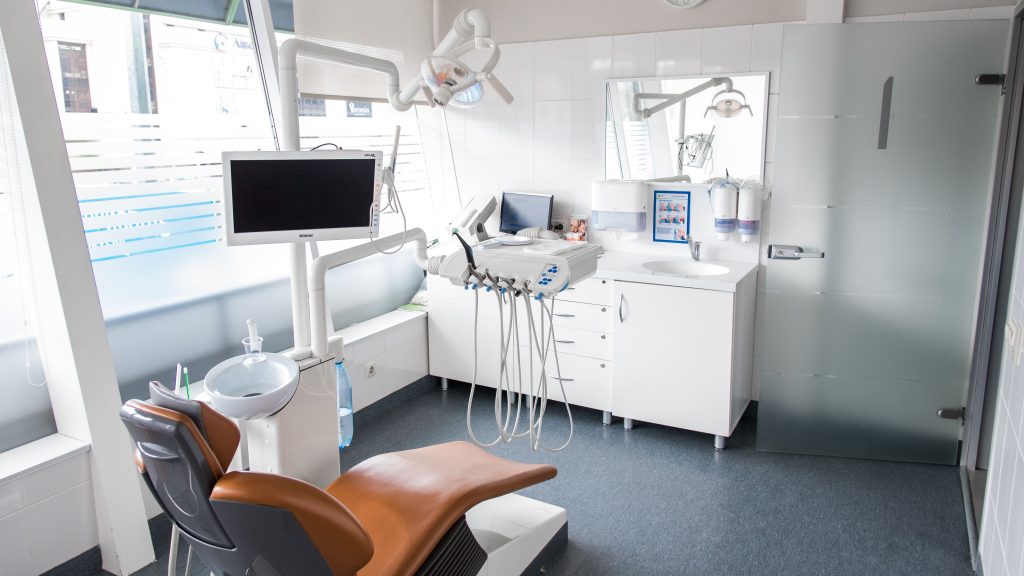
-
Inclusive
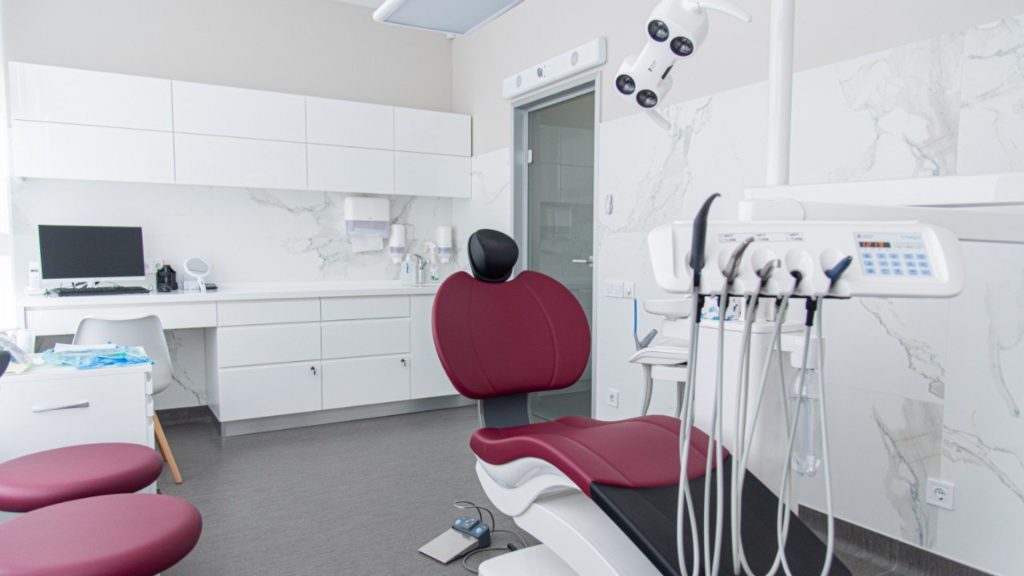
- ObolonInclusive
+380442223333
12-G, Vladimir Ivasyuk Avenue (Heroes of Stalingrad), Building 2
MON - SUN: 9.00 - 21.00
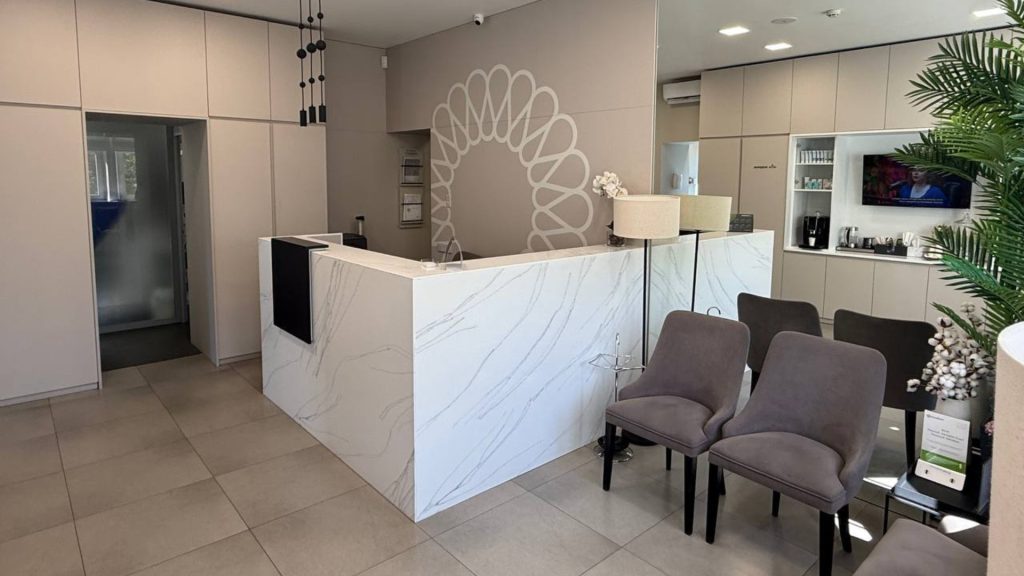
-
Inclusive

-
Inclusive

-
Inclusive
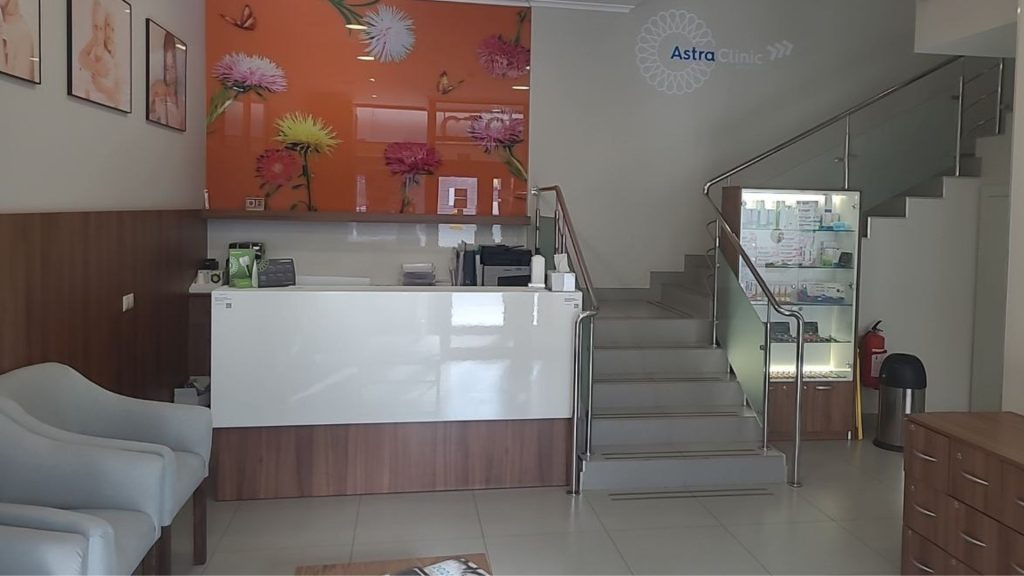
-
Inclusive
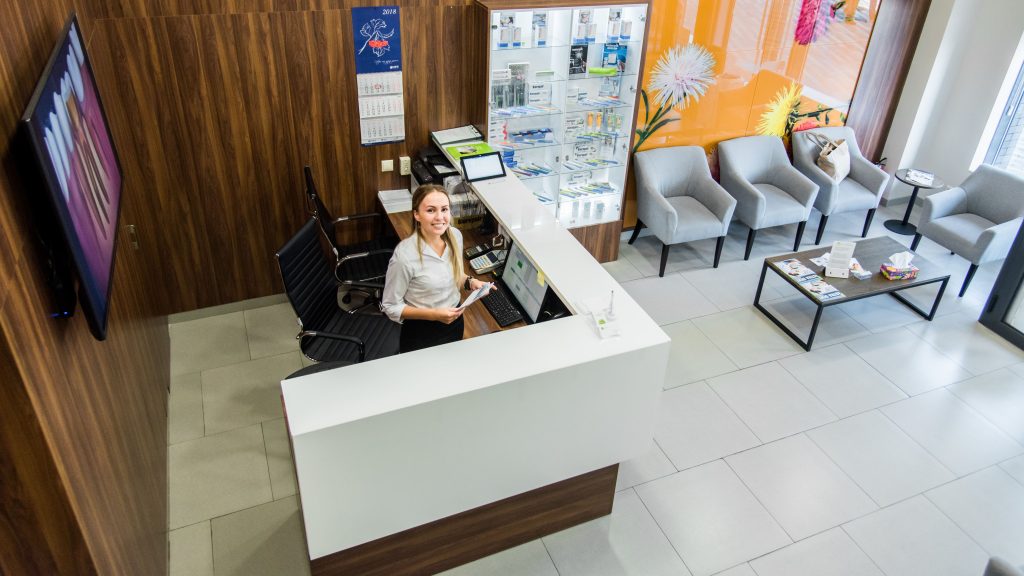
-
Inclusive
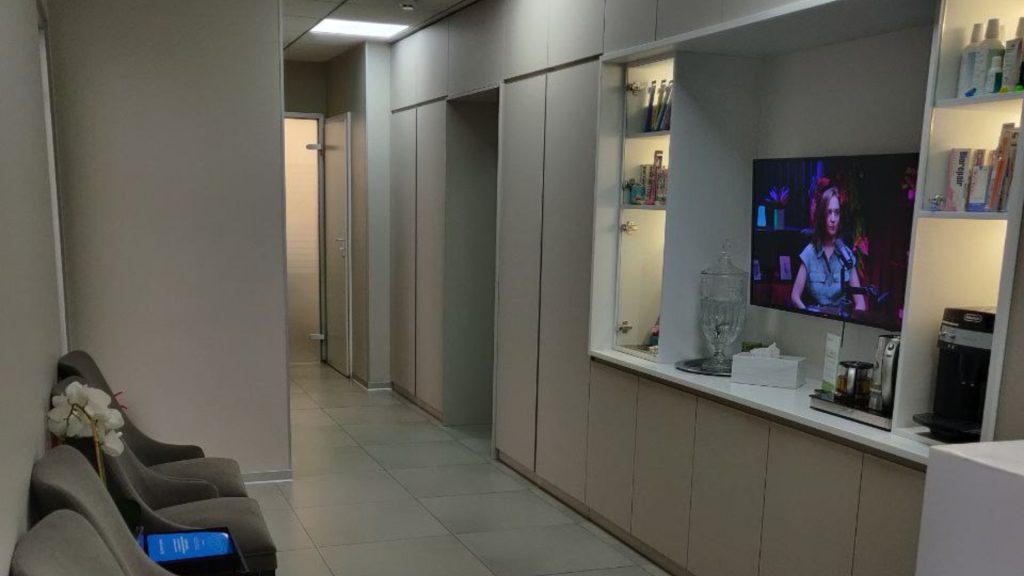
Astra Dent in Kyiv
Why 250,000+ patients choose Astra Dent
-

Everything your smile needs — in one place
From preventive care and cavity treatment to implants and aesthetic dentistry.
-

A team of 150+ experienced doctors
Continuously trained in Ukraine and internationally, working with world-class equipment.
-

Convenience for the whole family
We treat both adults and children across all districts of the capital.
Need a consultation?

Book a free consultation
Please submit your phone number, and we'll contact you to schedule a convenient time for your visit
Alex
Coordinator
 info@astradent.ua
 Get a free consultation
-
 Open daily from 9 AM to 9 PM
 -
 No days off
 -
 Always powered