


 (044) 222 33 33



Caries treatment
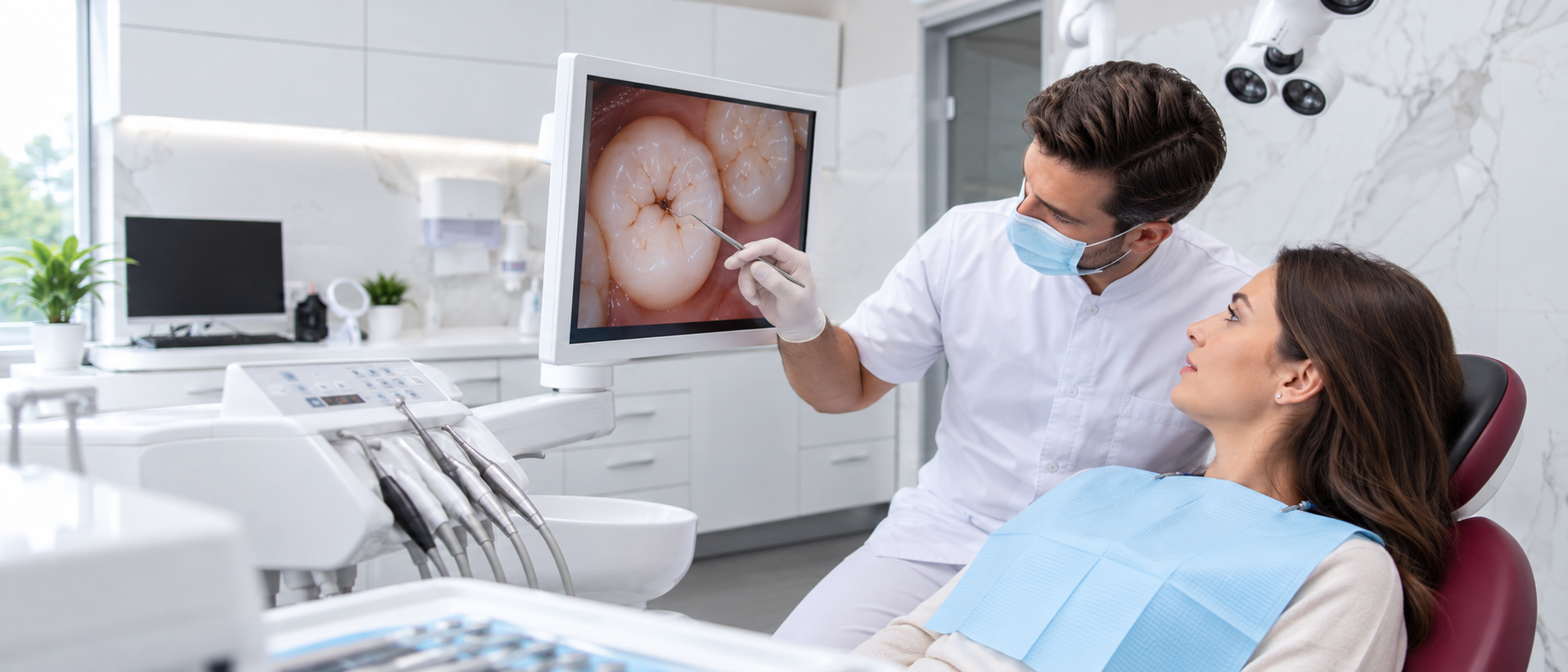
Cavity Treatment at Astra Dent: Precise, Painless, and Performed Under a Microscope
At Astra Dent, cavity treatment is performed by dentists with 2 to over 30 years of experience, utilizing microscopes, rubber dams, and advanced photopolymer (composite) materials. This approach ensures painless treatment, allows for the precise removal of decayed tissue, and helps preserve healthy tooth structure.
This service is suitable for patients with any stage of tooth decay. We treat cavities in both children and adults.
Astra Dent stands out because every case is managed under the visual guidance of a microscope, with materials selected on an individual basis and a warranty provided for the restoration. This ensures an anatomically accurate reconstruction of the tooth and helps prevent the recurrence of decay.
Prices for services
-
Treatment of decay in permanent teeth using the infiltration method (ICON System) 3850 UAH
-
“Permanent tooth cavity” restoration treatment package 3200 UAH
-
Deep caries treatment package (coffer dam, anesthesia, filling, polishing) 2790 UAH
Doctors
 11 years of experience
Therapist
 3 years of experience
Therapist, Hygienist, Parodontologist
 9 years of experience
Therapist, Periodontist
-
Терапевт
 10 years of experience
Therapist, Hygienist
-
9 years of experience
Therapist
 2 years of experience
 5 reviews
Hygienist, Therapist
 2 years of experience
4 reviews
Hygienist, Therapist
 9 years of experience
6 reviews
Therapist, Hygienist, Pediatric Dentist
 2 years of experience
Periodontologist, therapist
 34 years of experience
17 reviews
Therapist
Astra Dent work cases
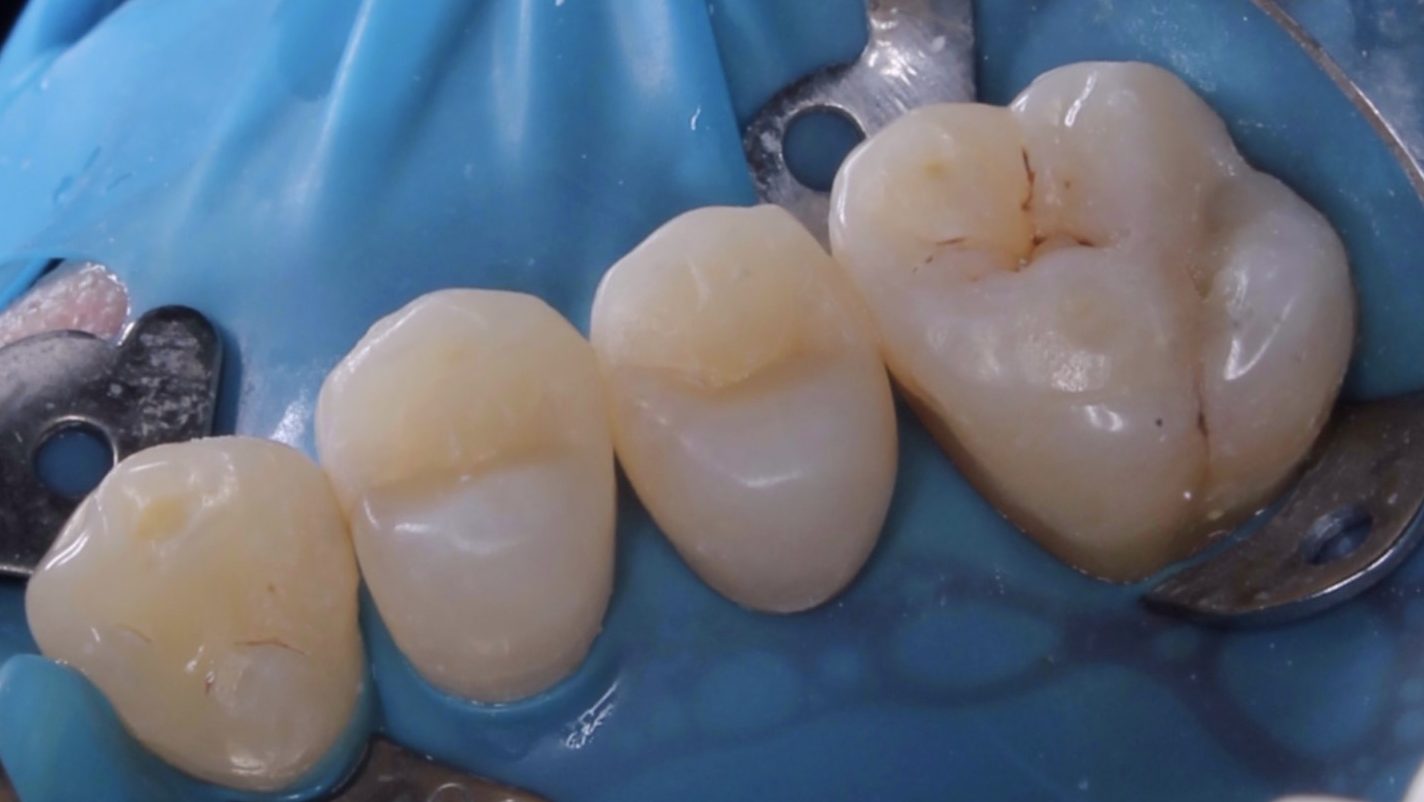 Before After
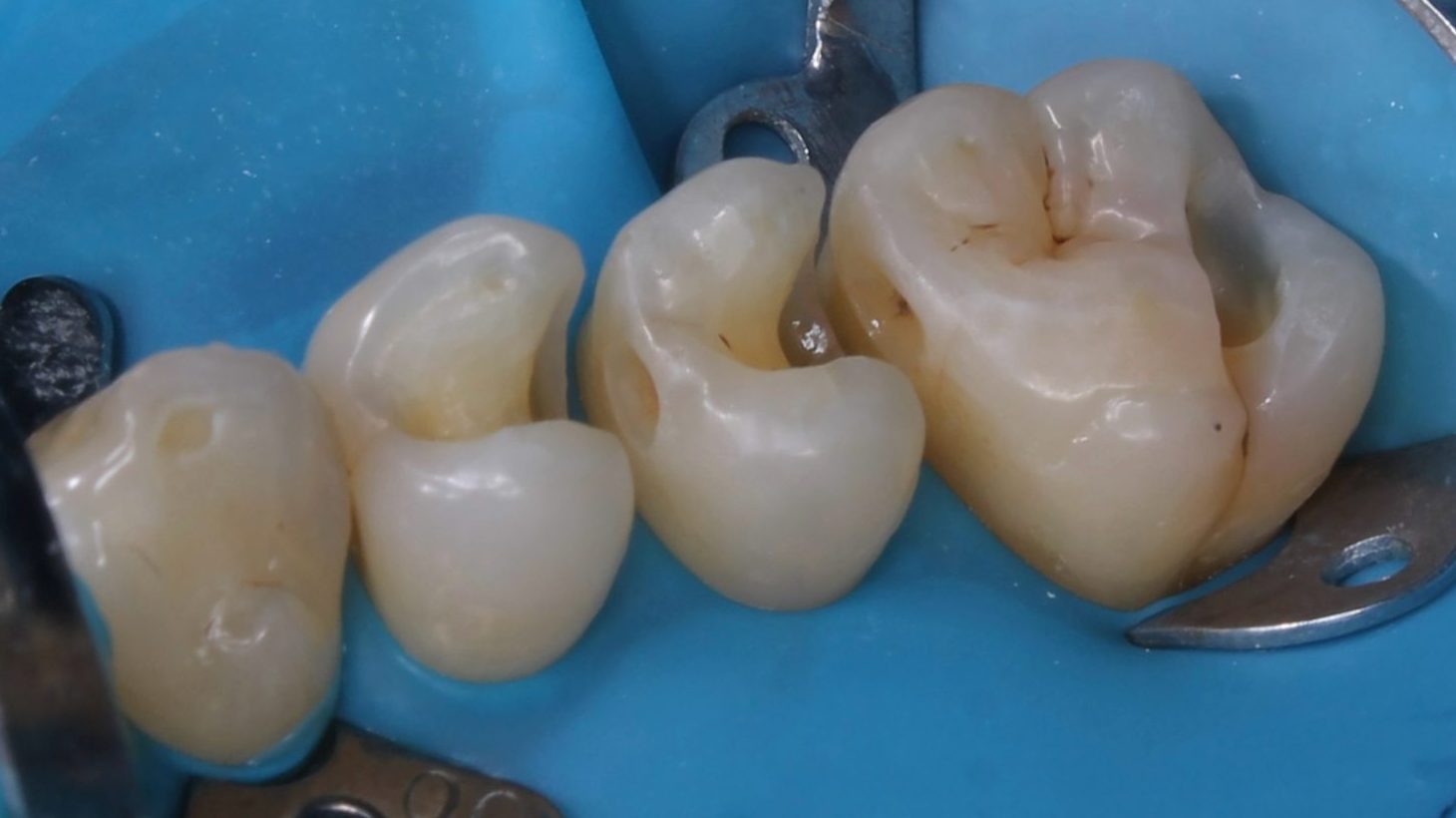
- Dentistry Darnytska Square (Darnytsia Shopping Center)
- Service Caries treatment
 Valeriya Beyhul
Therapist, Hygienist, Periodontologist
 Before After

- Dentistry Borshchahivka
- Service Caries treatment
 Yevhen Lipinskyi
Orthopedist, Therapist
 Before After

- Dentistry Borshchahivka
- Service Caries treatment
Yevhen LipinskyiOrthopedist, Therapist
 Before After

- Dentistry Borshchahivka
- Service Caries treatment
Yevhen LipinskyiOrthopedist, Therapist
 Before After

- Dentistry Borshchahivka
- Service Caries treatment
Yevhen LipinskyiOrthopedist, Therapist
 5
 Website
26 October 2026
 Patient’s feedback is confirmed
Хочется выразить слова благодарности врачу Красильнюку Илье Николаевичу.

Thank you so much for taking the time to share such kind words about our doctor, Lyubov! 💙We are delighted that you wish to recognise Dr. Ilya's work. Such words of support and gratitude are incredibly valuable to a doctor and inspire them to continue providing patients with care, attention and high-quality treatment.
With wishes of good health,
Astra Dent Team
5
Website
21 September 2026
Patient’s feedback is confirmed
A God-sent doctor—K. Karlovych. A very informative consultation, painless treatment, high-quality work, and top-notch patient care. The doctor quickly performed the procedure to treat tooth decay and restore my teeth. It’s important to note that before administering anesthesia, the doctor recommended an allergy test, which demonstrates his personalized approach and high level of expertise. This is the only doctor I would trust with my teeth. My recommendation is to see Konstyantyn Karlovych specifically.
5
Website
16 September 2026
Patient’s feedback is confirmed
I am very grateful to Dr. Yulia for her excellent and professional care. I would like to highlight her professional approach, helpful advice, and very considerate attitude toward the patient. I ended up seeing her by chance, and I’m very glad I did. While sitting in her chair, I trusted her completely. I would also like to mention her social awareness and empathy. I highly recommend Dr. Yulia as a professional doctor and simply a wonderful person! Best of luck to you!
Cavity Treatment Costs at Astra Dent
The cost of cavity treatment at Astra Dent is always calculated on an individual basis following an examination and diagnosis. The price depends on the depth of the decay, the complexity of the procedure for the specific tooth, the volume of the filling required, and the materials selected by the dentist in consultation with the patient.
Typically, the cost of cavity treatment includes:
- the dentist’s professional services;
- anesthesia (if required);
- the use of isolation (rubber dam) and magnification tools (loupes or a microscope, as necessary);
- filling materials and the polishing of the restoration.
The cost of cavity treatment is also influenced by:
- the complexity of the clinical situation (whether the decay is superficial, moderate, or deep); the need for additional procedures (diagnostic imaging, root canal treatment in case of complications);
- the chosen approach — aesthetic restoration in the anterior (front) region or functional restoration of posterior (chewing) teeth.
At our dental facility, patients always know in advance the cost of treating tooth decay in their specific case. Following an examination, the dentist prepares a treatment plan detailing each stage and its associated cost. There are no hidden fees or “surprise charges” — all costs are transparent and fixed before treatment begins.
Flexible payment options and installment plans allow you to complete your full course of treatment comfortably, without any financial surprises.
Advantages of treating tooth decay at Astra Dent
We treat tooth decay following modern protocols, utilizing dental microscopes, digital diagnostics, and premium-quality materials. Patients benefit from predictable outcomes, a comfortable experience, and a quality guarantee.
Specific advantages patients enjoy when receiving treatment for tooth decay at Astra Dent:
- Experienced dentists. Our team consists of doctors with 2 to 34 years of professional experience. We also have pediatric dentists, making us a clinic where the whole family can receive dental care.
- Diagnostic precision. Our treatment rooms are equipped with dental microscopes, digital RVG X-rays, and intraoral cameras to detect tooth decay at its earliest stages.
- Quality of materials. Our dental clinics use certified, premium-grade photopolymers that are resistant to wear and color fading.
- Comfort and a painless experience. We utilize the latest generation of anesthetics, apply a rubber dam when necessary, and employ gentle tooth preparation techniques.
- Convenient locations. With 14 branches across Kyiv — most located near metro stations — it is easy to find a dental office near you.
What is tooth decay (caries), and why is timely treatment essential?
Tooth decay is a process that does not stop on its own. In daily dental practice, we frequently see how a small spot on the enamel can progress into a deep lesion within just a few months. It begins by destroying the surface layer of the tooth, then moves to the dentin, and often reaches the nerve.
If left untreated, tooth decay can lead to the following complications:
- pulpitis — inflammation of the nerve, accompanied by sharp pain;
- periodontitis — the infection spreads to the root and the surrounding bone;
- destruction of the tooth walls, where a simple filling is no longer sufficient and a dental crown is required;
- increased complexity of treatment, which affects both the time required and the overall cost;
- the risk of tooth loss, should the destruction become too extensive.
In most cases, early-stage tooth decay can be treated quickly, painlessly, and without the need for injections. The sooner a patient seeks care, the simpler, more affordable, and more predictable the treatment process will be.
What is tooth decay (caries) in simple terms?
Tooth decay is a dental condition that begins with the dissolution of minerals in the outer layer of the enamel. Initially, it appears as a light or dark spot — something many patients do not even notice. It is caused by bacterial plaque, excessive sugar intake, an acidic environment in the mouth, and weakened enamel.
In the early stages, tooth decay is painless. Symptoms such as sensitivity to cold or sweet stimuli, or mild discomfort, only appear once the process has penetrated deeper. This is why it is crucial to see a dentist as soon as you suspect a problem.
When it comes to treatment, it is important to understand one simple fact: tooth decay is not just a “hole,” but an ongoing process that gradually destroys the tooth. It can only be halted through professional dental treatment.
Causes and Risk Factors for Tooth Decay
Tooth decay does not happen suddenly. In dental practice, several factors are commonly identified that gradually damage the enamel and trigger the destruction of the tooth. Being aware of these factors helps you understand why the problem occurred and how to prevent it from recurring.
The most common causes of tooth decay include:
- Poor oral hygiene. Plaque accumulates on the teeth, where bacteria produce acids that gradually soften the enamel.
- Frequent snacking and the consumption of sugary foods. Sugar serves as the primary “fuel” for decay-causing bacteria. The more frequently it enters the mouth, the more intensely the enamel is destroyed.
- Weak or thin enamel. This may be a physiological characteristic or a hereditary trait. Such teeth react more quickly to acidity and are more prone to damage.
- Braces and orthodontic appliances. These create additional areas for plaque accumulation, thereby increasing the risk of tooth decay (caries).
- Dry mouth (xerostomia). Saliva naturally neutralizes acid; a lack of saliva weakens the body’s protective mechanisms.
Dentists always assess individual risk factors to determine the appropriate treatment strategy.
Symptoms of tooth decay
Tooth decay does not always manifest as sharp pain. In the early stages, it is often barely noticeable, which is why patients frequently seek help only after the damage has progressed significantly. In their clinical practice, the dentists at Astra Dent most commonly observe the following signs of tooth decay:
- Increased tooth sensitivity to cold, hot, or sweet stimuli.
- A light or dark spot on the enamel that gradually grows larger.
- Bad breath (halitosis) caused by bacterial activity within a carious cavity.
- Discomfort or pain while chewing, especially when pressure is applied to a specific tooth.
- Food getting stuck between teeth, which often indicates the destruction of hard dental tissues.
The sooner a patient undergoes an examination, the simpler and faster the treatment will be.
Stages of tooth decay
Tooth decay develops gradually. Each stage presents differently and requires a specific treatment approach.
- Initial caries. There is no structural defect; the enamel has simply lost minerals. Treatment can be performed without a dental drill-specifically, through remineralization.
- Superficial caries. The damage affects the outer layer of the enamel. This requires gentle preparation and a dental filling.
- Moderate caries. The dentin is affected, leading to tooth sensitivity. This requires deeper cleaning and the restoration of the tooth’s shape.
- Deep caries. The decay extends nearly to the nerve. There is a high risk of pulpitis; the treatment process is more time-consuming and requires careful isolation and precise monitoring.
The more advanced the stage, the more time and materials are required-factors that influence the cost of treatment.
Caries Treatment Methods at Astra Dent
Our center utilizes modern methods for treating tooth decay. We always take an individualized approach: the dentist selects the appropriate method following an examination and an assessment of the depth of the decay.
Outlined below are the primary methods used at our center, along with their specific benefits for the patient.
Standard treatment using a dental bur
This is the classic method used for moderate to deep cavities.
Benefits for the patient:
- complete removal of affected tissue;
- restoration of the tooth’s shape using a photopolymer (light-cured) filling;
- quick treatment, often completed in a single visit.
Microscope-assisted cavity treatment
A dental microscope allows the dentist to detect micro-cracks and hidden defects, while minimizing the amount of tooth structure that needs to be removed.
Benefits for the patient:
- highly precise and gentle treatment;
- preservation of more healthy tooth tissue;
- greater durability of the filling due to a perfect fit.
Drill-free cavity treatment — ICON technology
ICON technology is effective in the early stages, when the decay is limited to the enamel. A special gel fills the porous areas of the enamel and halts the progression of decay, eliminating the need for drilling.
Benefits for the patient:
- painless and requires no anesthesia;
- no drilling involved;
- stops decay at an early stage;
- preserves natural tooth tissue.
Next-generation anesthesia
Dental centers use modern anesthetics that act quickly and do not cause prolonged numbness.
Benefits for the patient:
- painless cavity treatment;
- minimal side effects or discomfort;
- dosage tailored to the individual patient.
Rubber dam
A thin rubber sheet used to isolate the tooth from saliva and soft tissues. In most cases, a rubber dam is applied before treating tooth decay.
Benefits for the patient:
- protects the oral mucosa from dental materials;
- ensures a dry operating field, which helps the filling last longer;
- enhances sterility and the overall quality of the procedure.
Premium-grade materials
Astra Dent uses certified photopolymers (light-cured composites) that comply with international protocols.
Benefits for the patient:
- natural-looking color;
- resistance to wear;
- durability, even under biting pressure.
What is the tooth decay treatment process like at Astra Dent?
The treatment process at Astra Dent is designed to ensure the patient feels at ease and understands every step. Here is how a typical, painless tooth decay treatment is performed:
Examination and diagnostics
The dentist assesses the affected area, takes a targeted digital X-ray (RVG), or uses an intraoral camera. This provides an accurate understanding of the depth of the decay and helps determine the optimal treatment method.
Anesthesia
If necessary, the dentist administers a modern anesthetic. The medication acts quickly and ensures comfort, so the patient feels no pain.
Tooth isolation
The tooth is isolated using a rubber dam. This keeps the tooth free from saliva and moisture, which improves the quality of the bonding (adhesion).
Removal of affected tissue
The dentist carefully removes the decayed tissue using a dental bur, guided by a microscope. For the patient, this is felt only as a slight vibration. In the early stages, it is possible to treat tooth decay without drilling (using the ICON method). Placement of a filling
The dentist prepares the cavity, applies an adhesive, places the photopolymer material in layers, and restores the tooth’s anatomical shape.
Polishing and finishing
The final stage is polishing the filling. This makes the surface smooth and shiny, preventing the accumulation of plaque.
Duration of the procedure
On average, treating a single tooth takes 30-60 minutes, depending on the extent of the damage and the chosen method.
Caries Prevention
Caries prevention involves a combination of daily habits and regular check-ups that help keep teeth healthy and avoid the need for repeat treatment. At Astra Dent, our dentists always explain to patients that even a high-quality filling requires ongoing care.
What truly helps prevent tooth decay:
- Oral hygiene twice a day. Use a soft-bristled toothbrush and fluoride toothpaste. This reduces the risk of enamel demineralization.
- Daily use of dental floss, an oral irrigator, and interdental brushes. More plaque accumulates between the teeth than on exposed surfaces. Regular cleaning with floss or a water jet helps remove these deposits and lowers the risk of decay.
- Professional cleaning at Astra Dent every 6 months. This procedure removes soft and hardened plaque that a toothbrush cannot reach. It is an effective method for preventing tooth decay.
- Fissure sealing (for children). This involves coating the chewing surfaces with a special material that protects the “deep grooves” from bacterial accumulation.
- Regular check-ups every 6 months. A dentist can detect early changes in the enamel when treatment is still very simple and painless.
FAQ
Is treating tooth decay painful?

In most cases, no. Dental offices use new-generation anesthetics that ensure comfort, even for patients with heightened sensitivity.
How long can you live with tooth decay before the situation becomes critical?
Tooth decay is constantly progressing. According to dentists’ experience, the transition from a superficial lesion to a deep one can occur within a few months. The longer treatment is delayed, the higher the risk of pulpitis, periodontitis, and tooth loss.
Can tooth decay "spread" to other teeth?
In a sense, yes. The decay itself doesn’t “jump” from tooth to tooth, but the bacteria that cause it multiply easily in a favorable environment. If multiple lesions are present, they often progress simultaneously.
Is it possible to treat tooth decay without injections or a dental drill?
Yes; in the early stages, treatment using the ICON method is possible, where the enamel is infiltrated with a special material without the need for drilling. In advanced stages, traditional methods are required.
How long does a filling last?
On average, a photopolymer restoration lasts 5-10 years, depending on the material used, the patient’s bite, oral hygiene, and the mechanical load on the tooth.
Can pregnant women receive treatment for tooth decay?
Yes, in most cases. The optimal time is the second trimester. During the first and third trimesters, treatment is performed only when medically indicated. Safe anesthesia and materials are used. A consultation with a dentist is required before the procedure.
How long does the treatment for tooth decay take?
Typically 30 to 60 minutes. The duration depends on the extent of the decay, the number of tooth surfaces involved, and the treatment method.
Can multiple teeth be treated in a single visit?
Yes, it is common to treat 2-4 teeth in one appointment, provided there are no contraindications and the patient feels comfortable.
Does insurance cover cavity treatment?
Some insurance companies provide partial reimbursement for restorative treatment. Astra Dent administrators can advise you on the documentation required for your insurance claim.
Why does tooth decay recur?
The most common causes are dental plaque, improper oral hygiene, a high-sugar diet, weak enamel, or aging restorations. Preventive check-ups every 6 months help keep the situation under control.


Therapeutic treatment: other services
Why 250,000+ patients choose Astra Dent
-

Everything your smile needs — in one place
From preventive care and cavity treatment to implants and aesthetic dentistry.
-

A team of 150+ experienced doctors
Continuously trained in Ukraine and internationally, working with world-class equipment.
-

Convenience for the whole family
We treat both adults and children across all districts of the capital.
Need a consultation?

Book a free consultation
Please submit your phone number, and we'll contact you to schedule a convenient time for your visit
Natali
Coordinator
 info@astradent.ua
Get a free consultation
-
 Open daily from 9 AM to 9 PM
-
 No days off
-
 Always powered

